Top 5 Benefits of Implementing Autonomous Mobile Robots in Logistics


Introduction to Autonomous Mobile Robots in Logistics
In recent years, the logistics industry has witnessed a significant transformation with the integration of technology. Among these technological advancements, Autonomous Mobile Robots (AMRs) have emerged as a game-changer. By streamlining operations and improving efficiency, AMRs are revolutionizing the way logistics are managed.
1. Enhanced Operational Efficiency
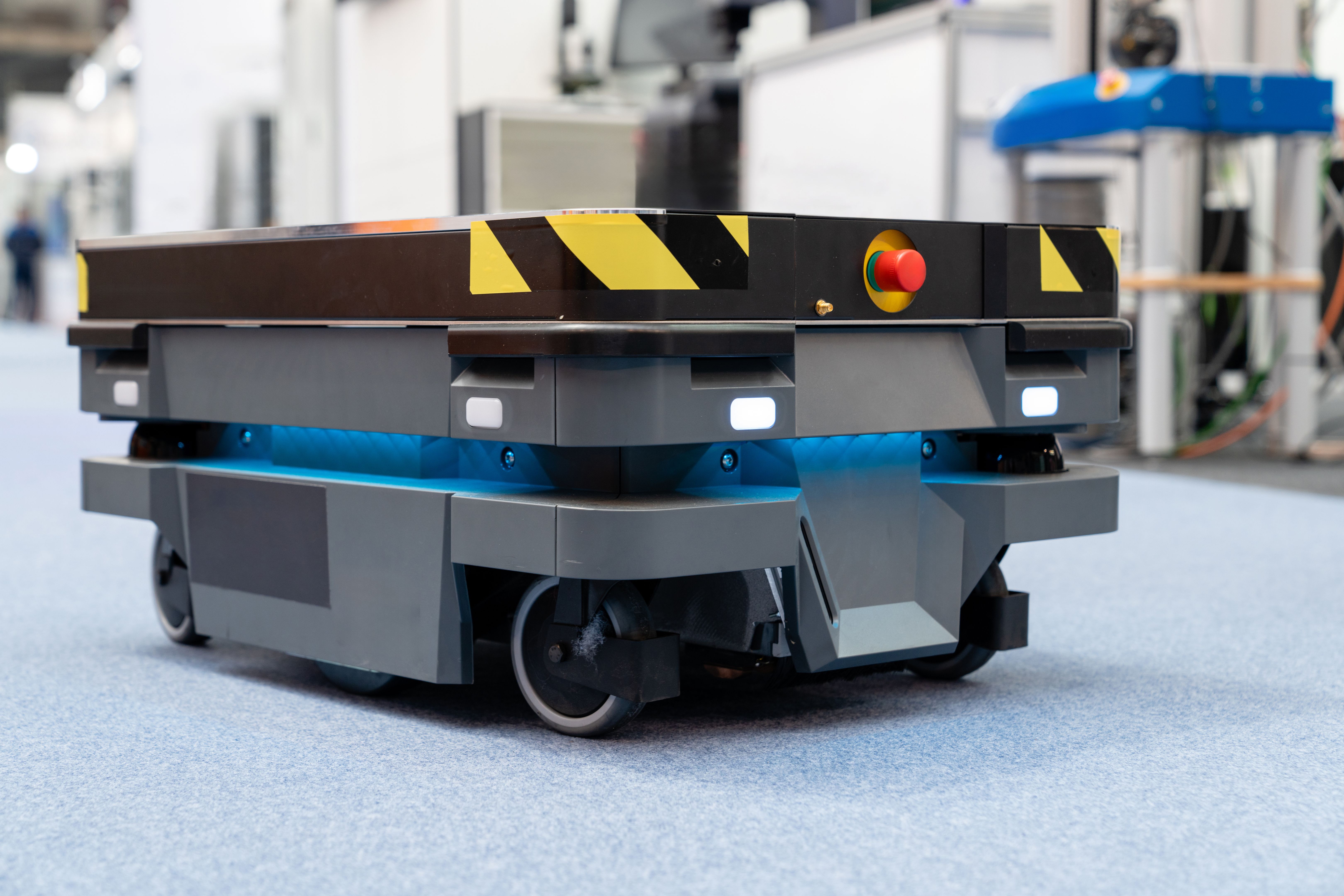
One of the primary benefits of implementing AMRs in logistics is the enhancement of operational efficiency. These robots are designed to work tirelessly, 24/7, without breaks, leading to increased productivity. They can navigate complex warehouse environments, optimizing routes and minimizing downtime.
Reducing Human Error
AMRs significantly reduce the risk of human error. By automating routine tasks, such as picking and sorting, companies can ensure greater accuracy and consistency in their operations. This automation not only improves efficiency but also enhances customer satisfaction by ensuring timely and accurate deliveries.
2. Cost Savings
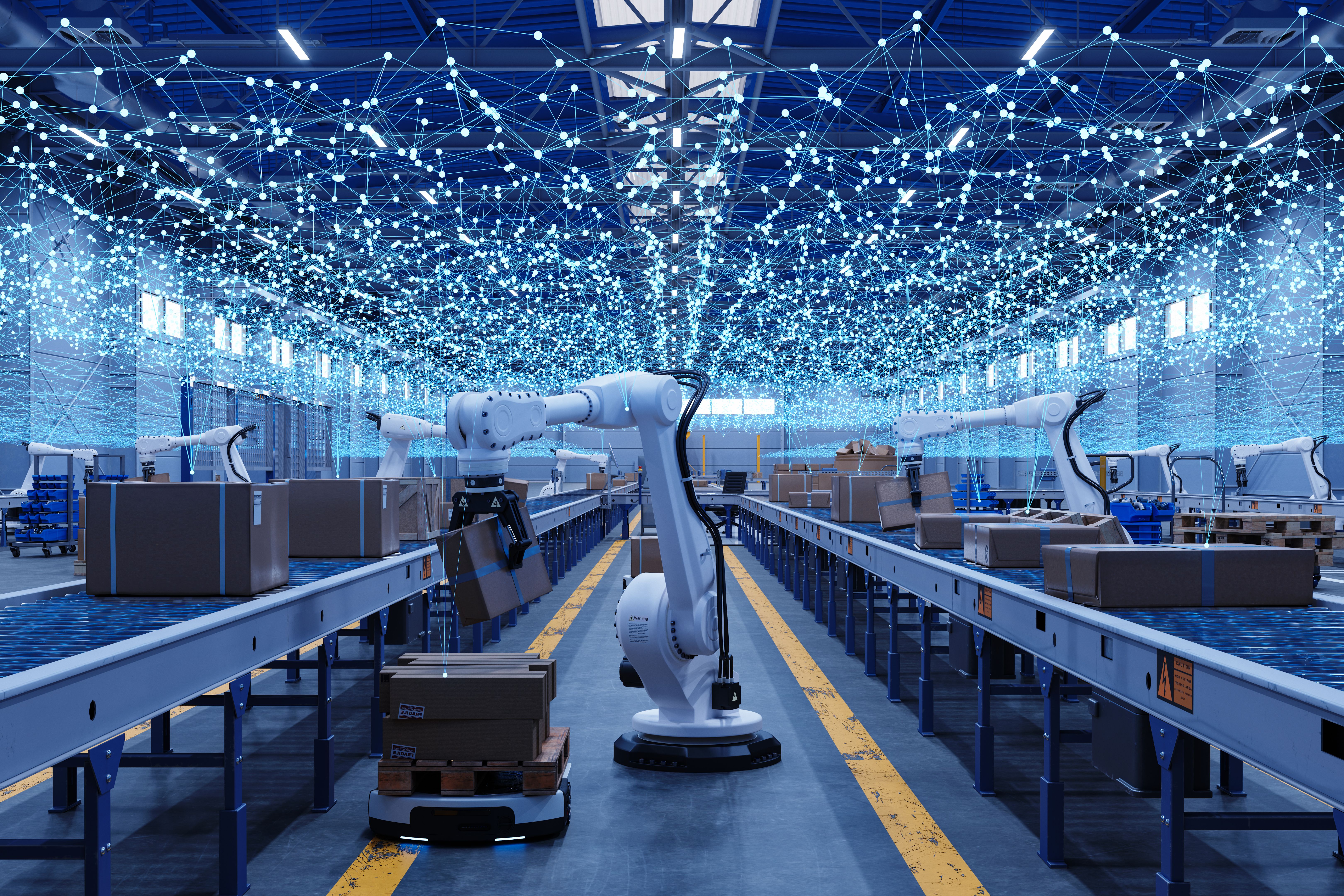
Implementing AMRs can lead to substantial cost savings for businesses. By automating labor-intensive tasks, companies can reduce labor costs and reallocate human resources to more strategic roles. Additionally, the maintenance cost of AMRs is generally lower compared to traditional machinery, resulting in further savings.
Energy Efficiency
AMRs are designed to be energy-efficient, often using rechargeable batteries. This not only reduces energy consumption but also contributes to a more sustainable operation. Over time, these savings can significantly impact the bottom line.

3. Increased Flexibility and Scalability
Another significant advantage of AMRs is their flexibility and scalability. These robots can be easily integrated into existing systems and adjusted to meet changing demands. Whether a company is expanding or adapting to seasonal fluctuations, AMRs can be scaled up or down with ease.
Adapting to Change
In the fast-paced world of logistics, the ability to quickly adapt to changes is crucial. AMRs provide the agility needed to respond to market demands, enhancing a company’s competitive edge. This adaptability is invaluable in maintaining smooth operations and meeting customer expectations.

4. Improved Safety
Safety is a top priority in any logistics operation. AMRs contribute to a safer working environment by reducing the need for human workers to perform dangerous or repetitive tasks. Equipped with sensors and cameras, these robots can navigate around obstacles and avoid accidents, thereby minimizing workplace injuries.
5. Enhanced Data Collection and Analysis
AMRs are equipped with advanced sensors and software that enable real-time data collection. This data can be analyzed to gain insights into operational efficiency, identify bottlenecks, and improve decision-making. With this information, companies can optimize their logistics strategies and drive continuous improvement.

Conclusion
Incorporating Autonomous Mobile Robots into logistics operations offers numerous benefits, from enhanced efficiency and cost savings to improved safety and flexibility. As technology continues to advance, AMRs will play an increasingly vital role in shaping the future of logistics, helping businesses stay competitive in a rapidly evolving industry.