The Role of Collaborative Robots in Streamlining Logistics Operations


Understanding Collaborative Robots
In recent years, the logistics industry has experienced a significant transformation, driven by the integration of innovative technologies. Among these, Collaborative Robots (Cobots) have emerged as a game-changer. Designed to work alongside human workers, cobots are enhancing productivity and efficiency in logistics operations.
Cobots differ from traditional robots in their ability to safely interact with humans. They are equipped with advanced sensors and software, allowing them to adjust their actions in response to human presence and commands. This capability makes them ideal for tasks that require a mix of human intuition and robotic precision.

Enhancing Efficiency in Warehousing
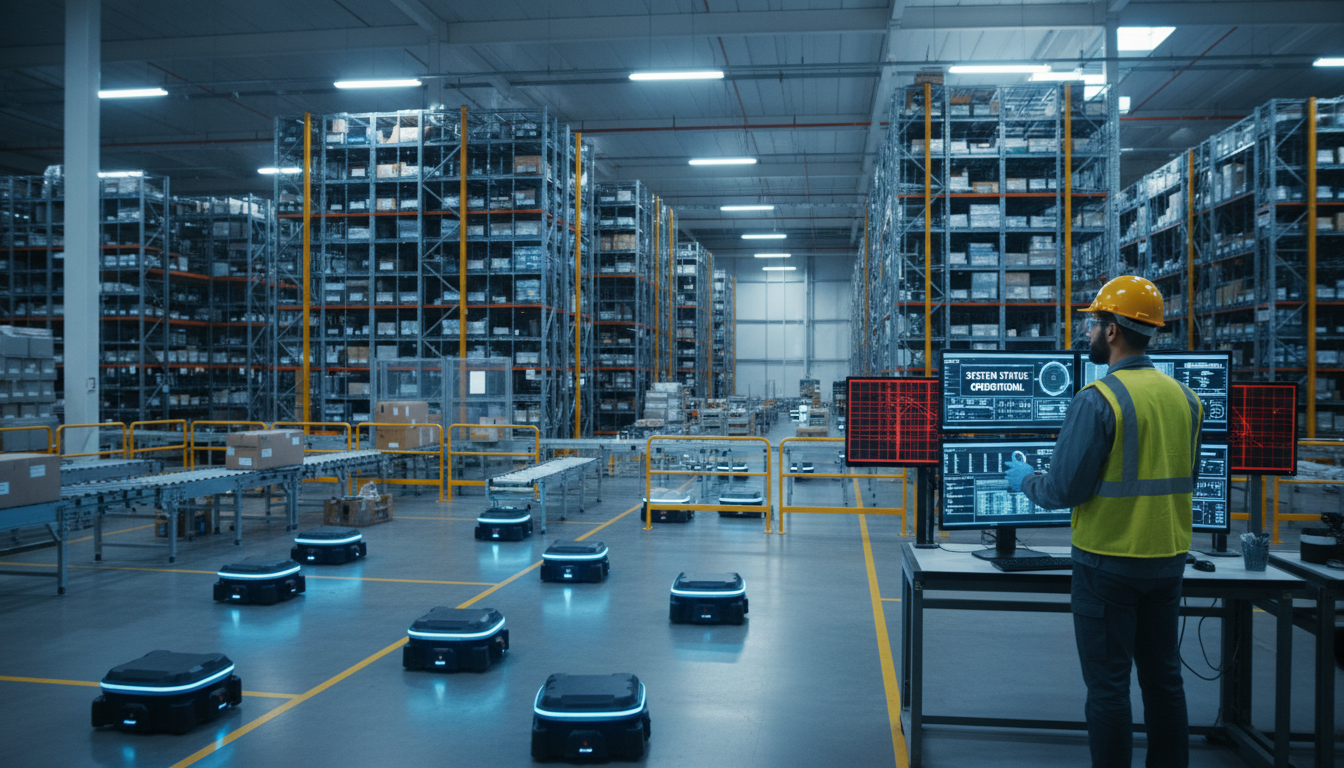
Warehousing is a critical component of logistics where cobots are making a substantial impact. These robots can perform repetitive tasks such as sorting, packing, and transporting goods, freeing up human workers for more complex and decision-intensive tasks.
By automating these routine processes, cobots help reduce errors and increase throughput. This not only leads to faster order processing but also minimizes the physical strain on human workers, contributing to a safer workplace environment.
Case Studies of Successful Integration
Several companies have successfully integrated cobots into their warehouse operations. For example, a leading retailer implemented cobots for picking and packing, resulting in a 30% increase in productivity. Such success stories highlight the potential of cobots to revolutionize logistics operations.
Optimizing Supply Chain Management
Cobots are playing a crucial role in optimizing supply chain management. Their ability to gather and analyze data in real-time provides valuable insights into inventory levels, order statuses, and delivery schedules. This information enables companies to make informed decisions and improve their supply chain efficiency.
Moreover, cobots can be easily reprogrammed and adapted to different tasks, making them a flexible solution for dynamic logistics environments. This adaptability ensures that companies can quickly respond to changing demands and market conditions.
Reducing Operational Costs
One of the most compelling advantages of cobots is their potential to reduce operational costs. By automating repetitive tasks, companies can lower labor costs and minimize the risk of human error. Additionally, cobots require less maintenance compared to traditional industrial robots, further reducing expenses.
Future Prospects and Challenges
As technology continues to evolve, the role of cobots in logistics is expected to expand. They hold the promise of even greater efficiency and innovation in the future. However, the adoption of cobots is not without challenges. Companies must invest in training and change management to ensure a smooth transition.
Furthermore, as cobots become more prevalent, there will be a growing need for regulatory frameworks to ensure safety and ethical considerations are addressed. Despite these challenges, the potential benefits of cobots in logistics are undeniable.
The Path Forward
In conclusion, collaborative robots are transforming logistics operations by enhancing efficiency, reducing costs, and optimizing supply chain management. As businesses continue to explore the capabilities of cobots, they are set to become an integral part of the logistics landscape. Embracing this technology will be key to staying competitive in an ever-evolving market.