The Role of Collaborative Robots in Enhancing Workplace Safety


Understanding Collaborative Robots
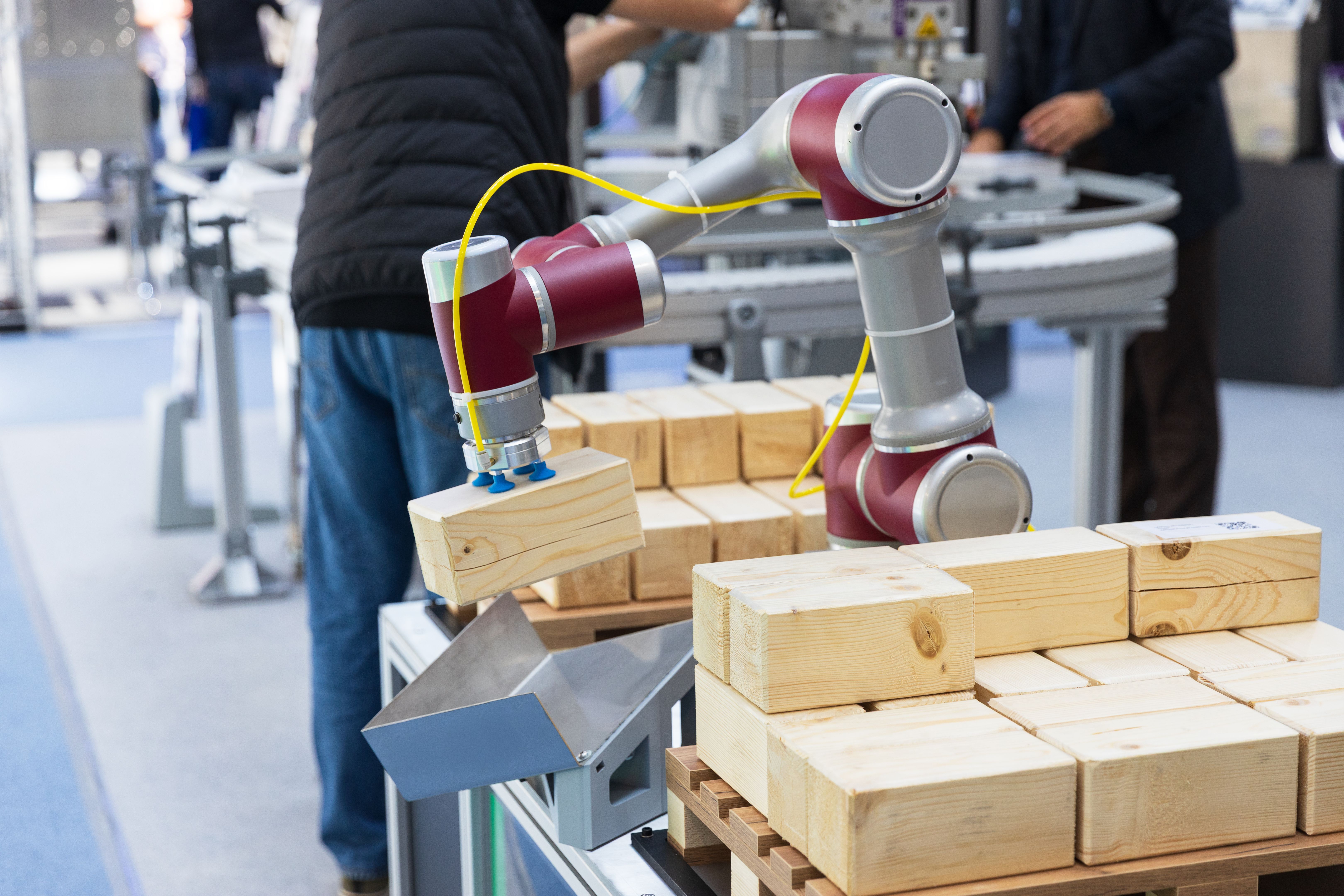
In recent years, collaborative robots, or cobots, have emerged as a transformative force in modern workplaces. These advanced machines are designed to work alongside humans, enhancing productivity and safety. Unlike traditional industrial robots that often require safety cages, cobots are engineered with cutting-edge sensors and technology to safely operate in close proximity to human workers.
Their ability to share tasks with humans has opened up new possibilities for a safer and more efficient work environment. By taking on repetitive, dangerous, or strenuous tasks, cobots help reduce the risk of workplace injuries and allow human workers to focus on more complex and creative activities.
The Safety Features of Cobots
The design of cobots prioritizes safety. Equipped with advanced sensors, they can detect human presence and adjust their operations accordingly. This feature is crucial for preventing accidents and ensuring a harmonious coexistence between humans and machines.
Moreover, cobots are programmed to stop immediately upon encountering an obstacle, further minimizing risks. This built-in safety mechanism is a significant advantage over traditional robots, making cobots an ideal choice for environments where human interaction is frequent and necessary.
Ensuring Compliance with Safety Standards
Compliance with safety standards is a critical aspect of workplace safety. Cobots are designed to adhere to stringent safety regulations, ensuring that their integration into the workplace does not compromise existing safety protocols. This compliance not only protects workers but also helps companies avoid legal and financial repercussions.

Enhancing Productivity Through Collaboration
By taking over monotonous and physically demanding tasks, cobots free up human workers to focus on more strategic and value-added activities. This collaboration leads to improved productivity and efficiency, as workers are less fatigued and more engaged in their tasks.
Furthermore, the ability of cobots to work around the clock without breaks significantly boosts production capabilities. This continuous operation allows businesses to meet increasing demands without compromising on safety or quality.
Industry Applications of Cobots
Cobots are making significant inroads across various industries, from manufacturing and logistics to healthcare and agriculture. In manufacturing, they handle tasks such as assembly, painting, and welding. In healthcare, they assist in surgeries and patient care, ensuring precision and reducing human error.

The Future of Cobots in the Workplace
As technology continues to evolve, the role of cobots in enhancing workplace safety is expected to grow. Innovations in artificial intelligence and machine learning are likely to make cobots even more adaptable and responsive to human needs.
The integration of cobots into the workforce represents a promising step toward a safer, more efficient future. By embracing this technology, companies can not only protect their employees but also drive growth and innovation in their operations.