The Role of Collaborative Robots in Enhancing Workplace Safety


Understanding Collaborative Robots
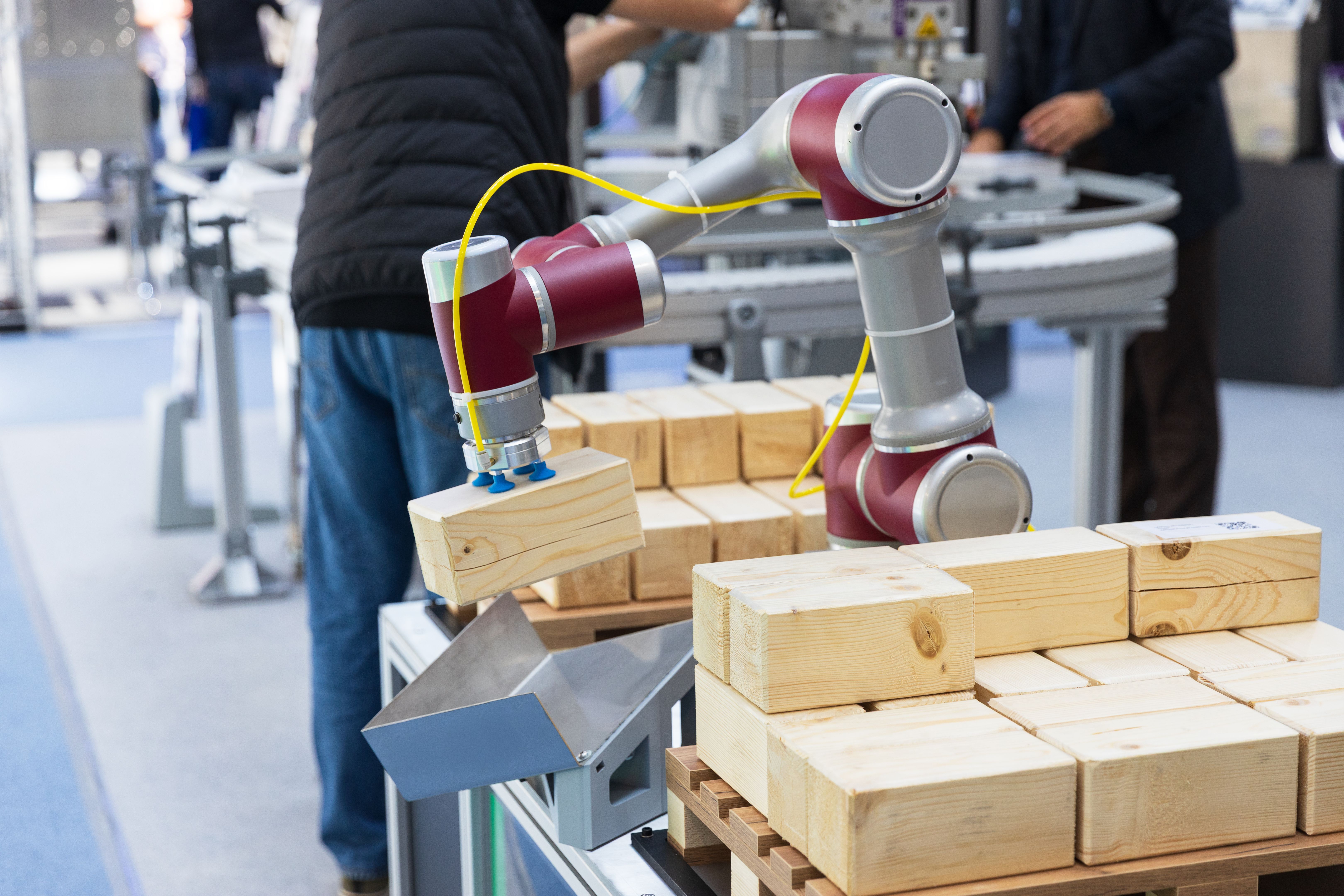
Collaborative robots, or cobots, are designed to work alongside humans in a shared workspace. Unlike traditional robots that operate in isolation, cobots are equipped with advanced sensors and software to safely interact with people. This unique capability makes them an invaluable asset in enhancing workplace safety.
Their integration into various industries is transforming how tasks are performed, allowing human workers to focus on more strategic activities. As a result, cobots are not just improving productivity but also significantly reducing the risk of workplace injuries.
Enhancing Safety Through Automation
One of the primary benefits of cobots is their ability to take over repetitive or dangerous tasks. By handling jobs that involve heavy lifting, exposure to harmful substances, or precise repetition, cobots reduce the physical strain on human workers. This shift not only minimizes the risk of musculoskeletal disorders but also helps prevent accidents associated with human error.
Moreover, cobots are programmed with sophisticated algorithms that enable them to detect and respond to potential hazards. For example, if a cobot senses an unexpected human presence in its path, it can immediately stop or adjust its actions to prevent injury.

Improving Human-Machine Collaboration
Cobots are designed to enhance human-machine interaction, fostering a safer and more efficient working environment. Unlike traditional robots that require extensive programming, cobots are accessible and easy to operate. This user-friendly nature encourages more widespread adoption across various sectors.
Training workers to collaborate with cobots is essential for maximizing their potential. By understanding how to work alongside these machines, employees can better leverage their capabilities, leading to improved safety outcomes and increased job satisfaction.

Implementing Cobots in Various Industries
The versatility of cobots allows them to be implemented across a wide range of industries. In manufacturing, they are used for assembly, quality inspection, and packaging, ensuring precision and reducing human error. In healthcare, cobots assist with tasks like patient lifting and drug dispensing, enhancing safety for both patients and staff.
Other industries, such as logistics and agriculture, are also benefiting from cobot integration. By automating routine tasks, these sectors are experiencing increased efficiency and a significant reduction in workplace accidents.
The Future of Workplace Safety with Cobots
As technology continues to advance, the role of cobots in enhancing workplace safety is expected to grow. Future developments may include even more sophisticated sensors and AI capabilities, allowing cobots to handle increasingly complex tasks with higher levels of safety and efficiency.
Companies investing in cobots are not only prioritizing employee safety but also positioning themselves at the forefront of innovation. By embracing this technology, businesses can create safer, more productive work environments and set new standards for workplace safety.