The Future of Robotic Solutions in Australian Manufacturing


Introduction to Robotic Solutions in Manufacturing
As the global manufacturing landscape evolves, Australia is increasingly turning to robotic solutions to enhance efficiency and competitiveness. With advancements in technology, robots are no longer a futuristic concept but a critical component of modern manufacturing processes.
Robots offer precision, speed, and consistency, making them ideal for various applications in the manufacturing sector. From assembling products to handling hazardous materials, the role of robotics is expanding rapidly.
The Role of Robotics in Enhancing Productivity
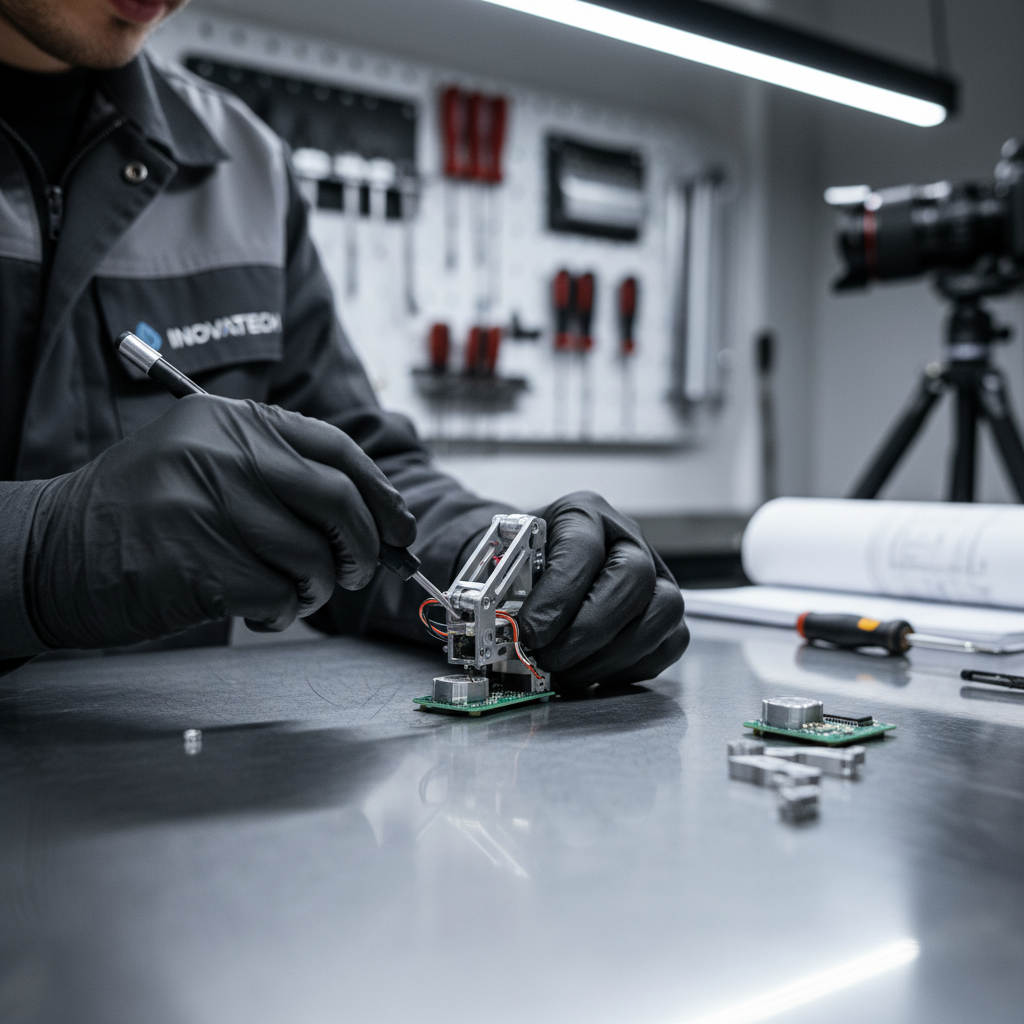
One of the primary reasons for integrating robotics into manufacturing is the boost in productivity. Robots can work tirelessly and with minimal error, ensuring that production lines run smoothly and efficiently. This leads to increased output and reduced downtime, which are crucial for maintaining a competitive edge.
Additionally, robotic solutions can be customized to suit specific tasks, allowing manufacturers to optimize their operations and reduce waste. This customization is particularly beneficial in industries where precision is paramount.
Improving Workplace Safety
Robotics also play a significant role in improving workplace safety. By taking over dangerous or repetitive tasks, robots help reduce the risk of injuries among human workers. This not only enhances employee well-being but also decreases costs associated with workplace accidents.
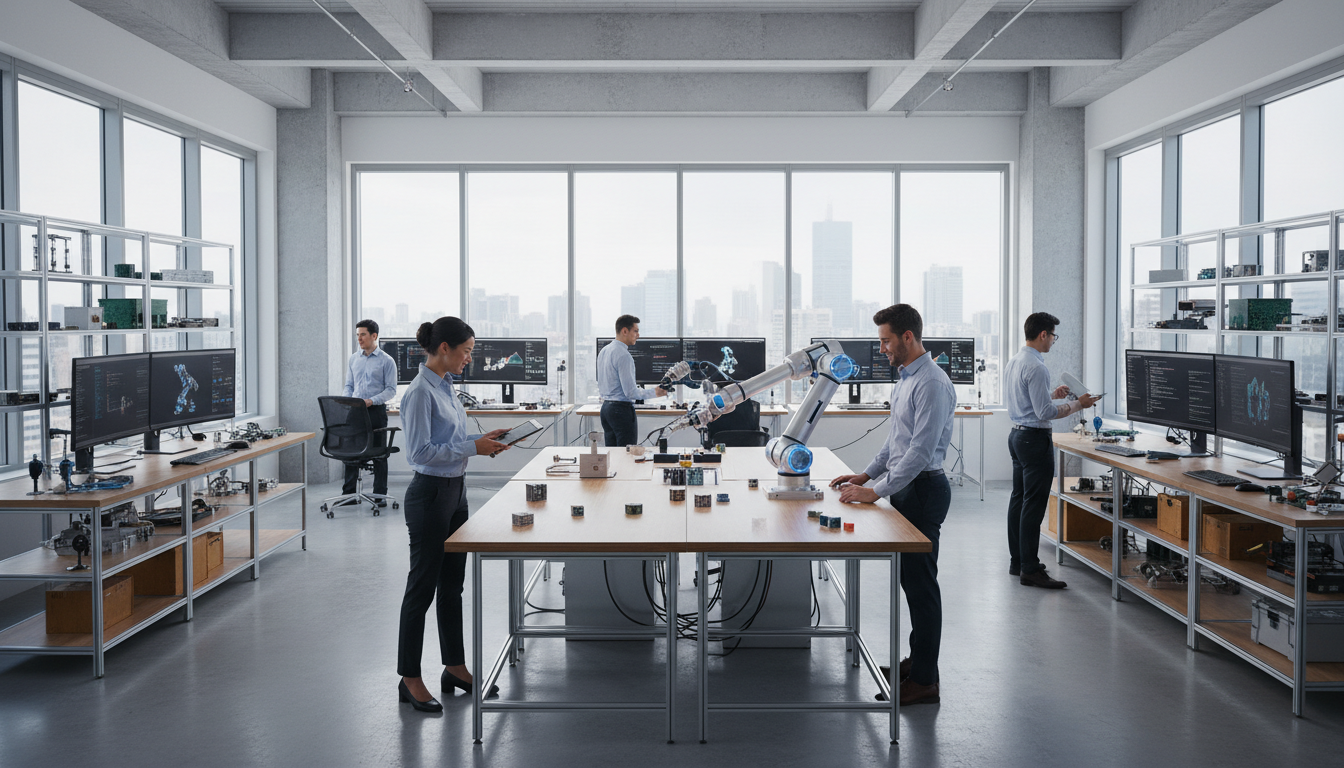
The integration of robotic systems allows human workers to focus on more complex and strategic tasks, fostering a safer and more engaging work environment. This shift can lead to increased job satisfaction and employee retention.
Challenges and Considerations
Despite the many benefits, the adoption of robotic solutions in manufacturing also presents challenges. One of the primary concerns is the initial investment cost, which can be substantial. Additionally, there is a need for ongoing maintenance and updates to ensure systems remain efficient and effective.
Another consideration is the potential impact on the workforce. As robots take over certain tasks, there is a growing need for employees to acquire new skills to remain relevant in a changing industry. This transition requires careful planning and support from both employers and policymakers.

Future Trends in Australian Manufacturing
The future of robotic solutions in Australian manufacturing looks promising, with trends pointing towards more collaborative robots, or "cobots," which work alongside humans. These cobots are designed to complement human capabilities and improve overall workflow.
Furthermore, advancements in artificial intelligence and machine learning are set to enhance the capabilities of robotic systems, enabling them to make smarter decisions and adapt to changing conditions more effectively.
Conclusion
In conclusion, the future of robotic solutions in Australian manufacturing is bright. With continued innovation and strategic implementation, robots will undoubtedly play a crucial role in driving the industry forward. By embracing these technologies, Australia can enhance its manufacturing capabilities and secure its position in the global market.