Sustainable Automation: Reducing Energy Consumption with Everse


Introduction to Sustainable Automation
As the world moves towards greener technologies, the concept of sustainable automation is gaining traction. Everse, a leader in this field, is pioneering innovative solutions that significantly reduce energy consumption in industrial processes. By integrating smart technologies with environmentally friendly practices, Everse is setting a new standard for sustainability.
Automation has traditionally been associated with high energy use, but Everse is changing that narrative. Their cutting-edge solutions not only enhance efficiency but also dramatically lower energy demands. This shift is crucial for industries aiming to meet global sustainability goals.

How Everse Reduces Energy Consumption
Everse employs a multi-faceted approach to minimize energy usage. At the heart of their strategy is the use of intelligent systems that optimize operations in real-time. These systems are designed to identify and eliminate waste, ensuring that every watt of energy is used effectively.
One of the key components of Everse's approach is the integration of renewable energy sources. By harnessing solar and wind power, Everse ensures that their automation systems are not only efficient but also environmentally responsible. This dual focus on efficiency and renewability makes their solutions particularly appealing to eco-conscious businesses.
Smart Sensors and Data Analytics
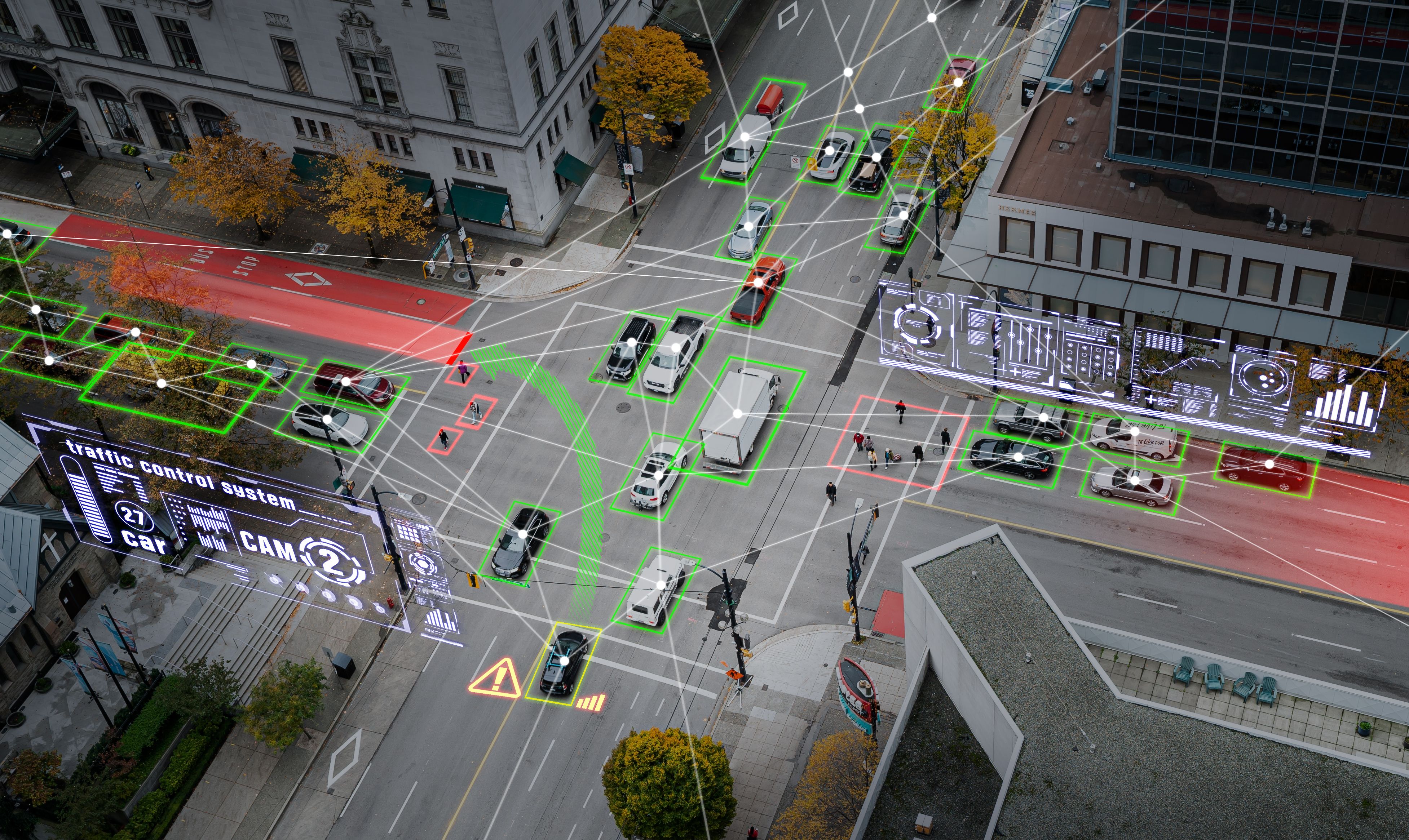
Another significant aspect of Everse's energy reduction strategy involves the use of smart sensors and advanced data analytics. These tools provide detailed insights into energy consumption patterns, allowing for precise adjustments to be made in real-time. This proactive approach helps in maintaining optimal energy usage without compromising on performance.
Benefits of Implementing Everse's Solutions
Adopting Everse's sustainable automation solutions offers numerous benefits. Businesses can expect a substantial decrease in energy costs, which translates to enhanced profitability. Moreover, reducing energy consumption also means a lower carbon footprint, contributing to global environmental efforts.
Additionally, companies that embrace sustainable practices often enjoy a positive brand image. Consumers today are more likely to support businesses committed to sustainability, giving companies an edge in competitive markets.
Steps to Implement Sustainable Automation
For companies interested in transitioning to sustainable automation with Everse, the process is straightforward. Here are the steps involved:
- Conduct an initial energy audit to assess current consumption levels.
- Develop a customized automation plan incorporating Everse's technologies.
- Implement the plan with continuous monitoring and optimization.
- Regularly review and adjust strategies to ensure ongoing efficiency.
Conclusion: The Future of Sustainable Automation
With the increasing emphasis on environmental responsibility, sustainable automation is more than just a trend—it's the future of industrial operations. Everse is at the forefront of this movement, providing solutions that not only meet but exceed sustainability expectations.
By investing in Everse's technologies, businesses can significantly reduce their energy consumption, lower operational costs, and contribute positively to the planet. As more companies adopt these practices, the collective impact on global energy use could be profound.