Sustainable Automation: How Everse Reduces Energy Consumption and Waste


Understanding Sustainable Automation
Sustainable automation is revolutionizing industries by integrating eco-friendly practices into technological advancements. This approach not only enhances efficiency but also reduces environmental impact, aligning with global sustainability goals. Companies like Everse are at the forefront, pioneering solutions that minimize energy consumption and waste.
At its core, sustainable automation involves using technology to streamline processes while being mindful of resource usage. This includes optimizing energy consumption, reducing waste, and enhancing overall productivity. As businesses increasingly prioritize sustainability, automation provides a viable path to achieve these objectives.
Everse's Innovative Approach
Everse stands out in the realm of sustainable automation by implementing cutting-edge technologies to address energy efficiency and waste reduction. Their systems are designed to monitor and adjust energy usage dynamically, ensuring minimal waste and maximum productivity.
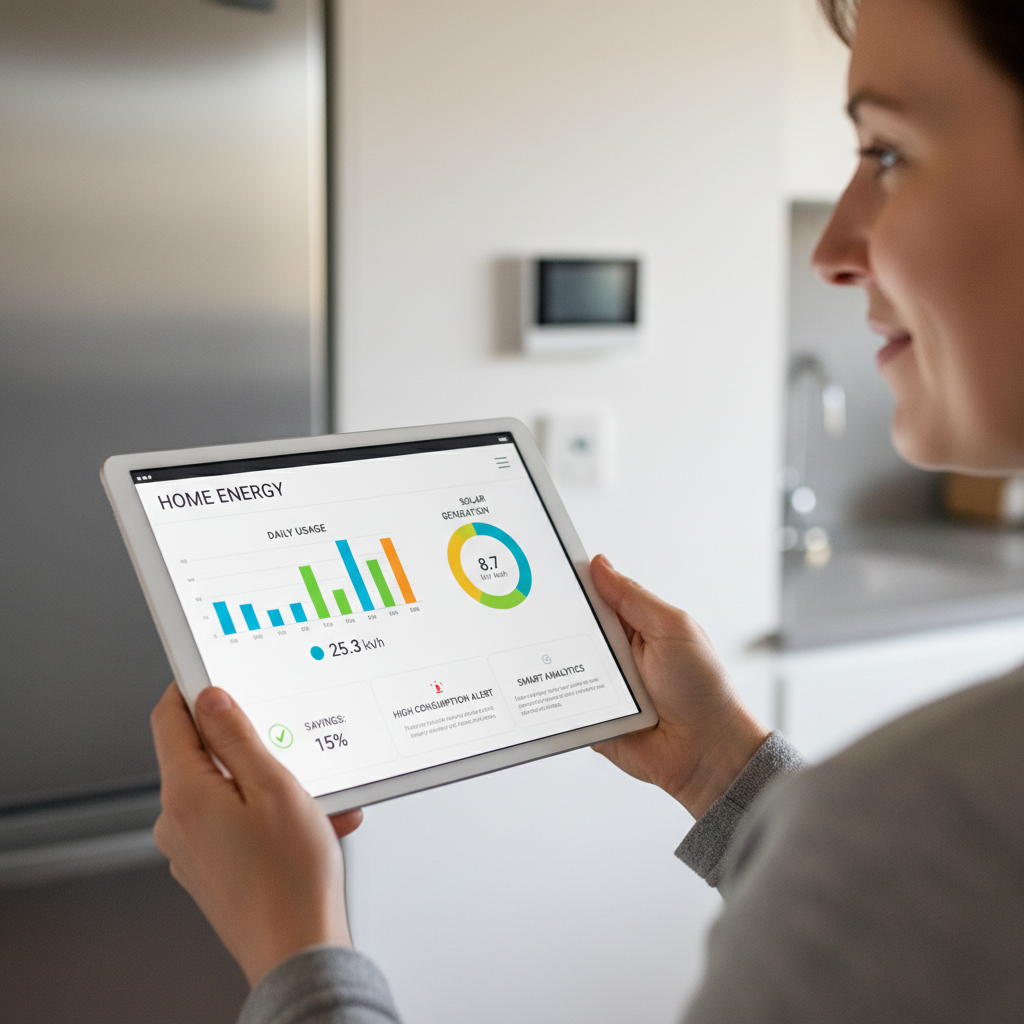
One of Everse's key innovations is their use of smart sensors and analytics. These tools provide real-time insights into energy consumption patterns, enabling businesses to make informed decisions. By leveraging artificial intelligence, Everse helps companies predict energy needs and adapt operations accordingly.
Reducing Energy Consumption
A significant benefit of Everse's solutions is the substantial reduction in energy consumption. By automating routine tasks and optimizing machine performance, Everse enables businesses to lower their energy footprint. This not only cuts costs but also contributes to a more sustainable future.
Key strategies employed by Everse include:
- Implementing energy-efficient machinery and equipment.
- Utilizing renewable energy sources whenever possible.
- Continuously monitoring and adjusting operations to minimize energy use.

Minimizing Waste Through Automation
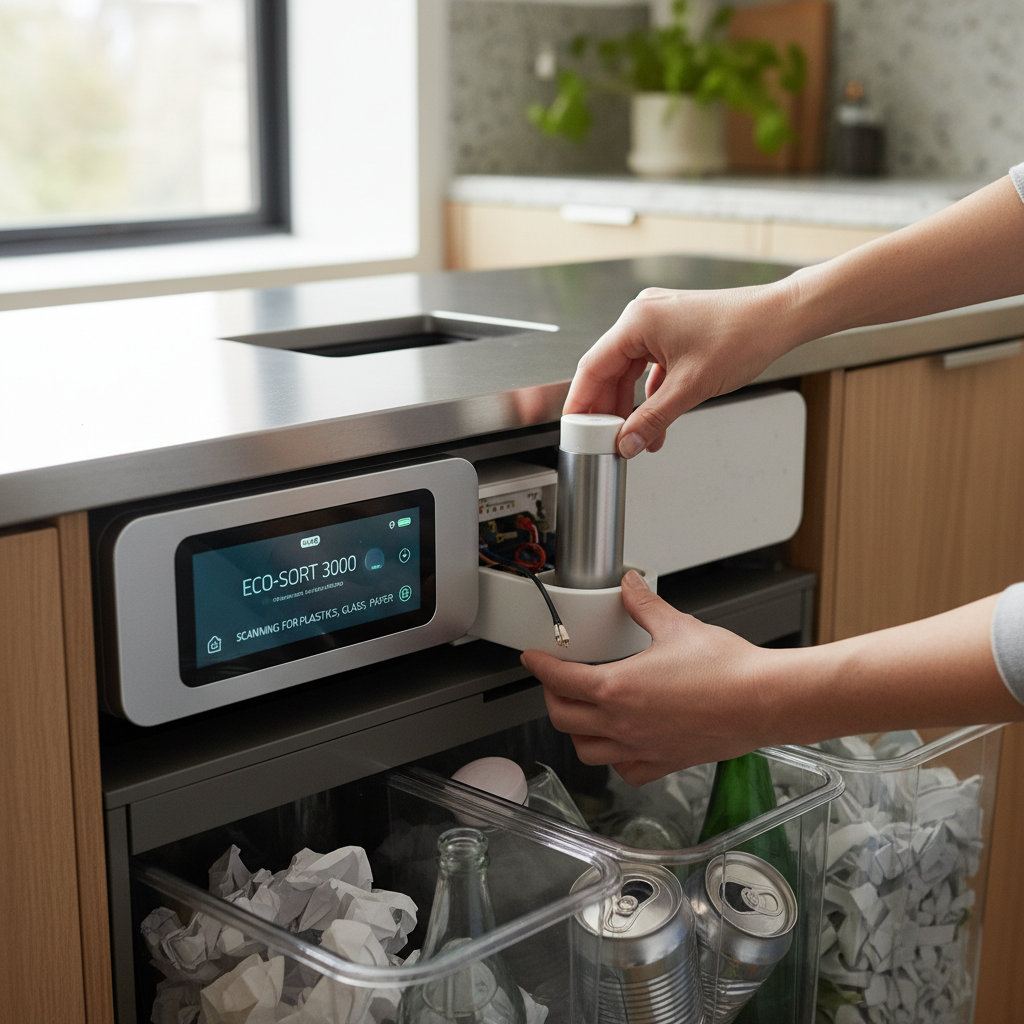
Waste reduction is another critical aspect of Everse's sustainable automation strategy. By automating processes, companies can significantly reduce material waste. Everse's systems ensure optimal resource use, transforming production lines into models of efficiency.
The focus on waste reduction not only supports environmental goals but also improves operational costs. By minimizing waste, companies can achieve higher profitability while maintaining their commitment to sustainability.
The Future of Sustainable Automation
As the demand for sustainable practices continues to grow, companies like Everse are leading the charge with innovative solutions. Their approach to sustainable automation sets a benchmark for others, demonstrating that efficiency and environmental responsibility can go hand in hand.
Looking ahead, the integration of sustainable automation is expected to become standard practice across industries. Businesses adopting these technologies will not only benefit from cost savings but also enhance their reputation as leaders in sustainability.

In conclusion, sustainable automation offers a pathway to a cleaner, more efficient future. Everse's contributions are paving the way, showcasing how technology can be harnessed to protect our planet while driving business success.