Sustainable Automation: How Everse Minimizes Energy Consumption in Robotics


Understanding Sustainable Automation
In today's rapidly evolving technological landscape, the convergence of sustainability and automation is becoming increasingly crucial. As industries shift towards more eco-friendly practices, companies like Everse are at the forefront, integrating sustainable solutions within the realm of robotics. Their focus is on minimizing energy consumption while maintaining high efficiency.
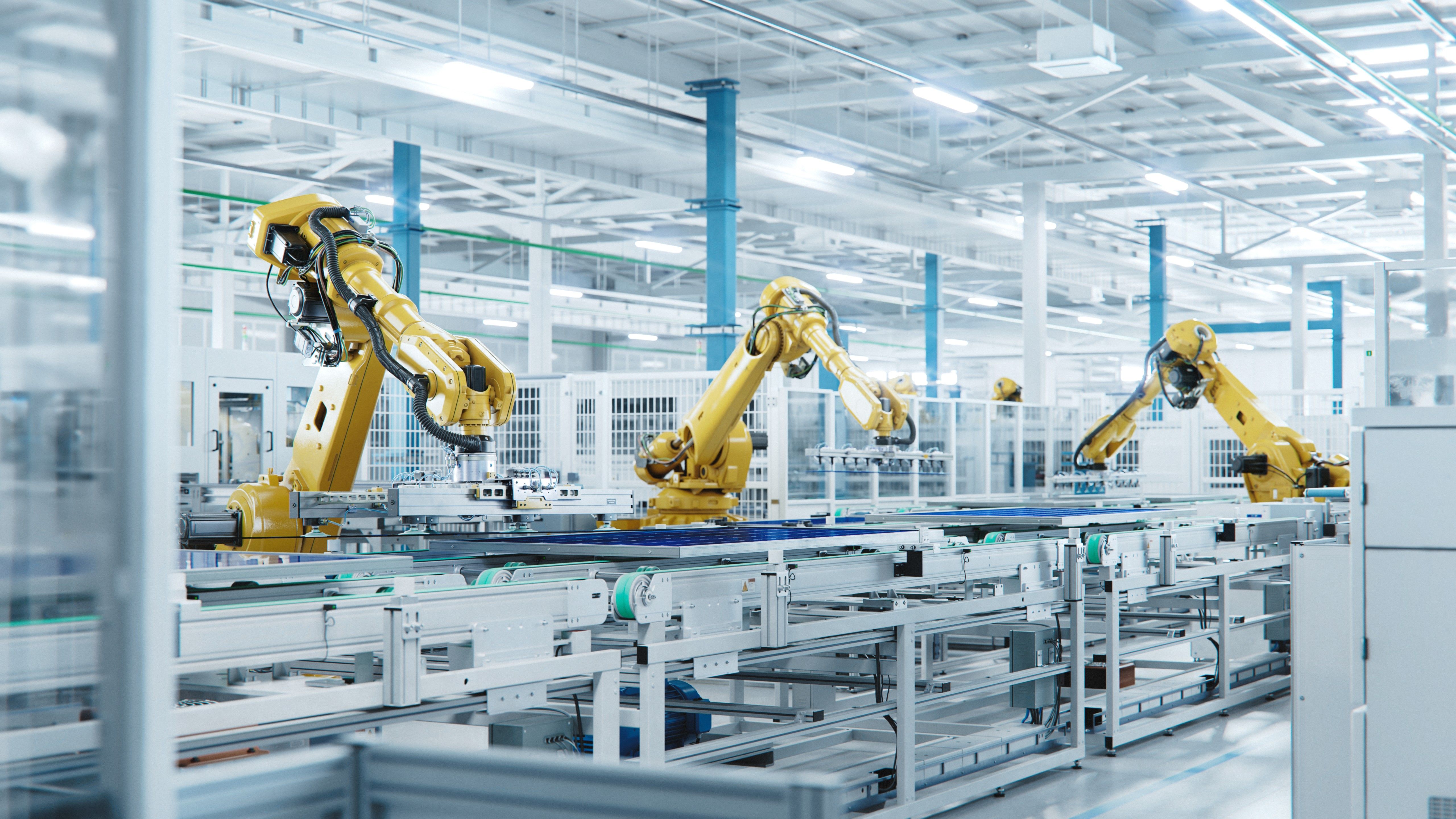
The Importance of Energy Efficiency in Robotics
Energy consumption in robotics is a significant concern, as these machines often operate continuously, consuming substantial amounts of power. Everse addresses this by designing robots that are not only efficient but also smart in their energy usage. By optimizing power management, Everse ensures that their robots perform tasks with minimal energy wastage.
Robots that consume less energy contribute to reducing the overall carbon footprint of manufacturing and other sectors where they are deployed. This aligns with global efforts to combat climate change and promotes a more sustainable industrial future.
Key Strategies Employed by Everse
Everse employs several strategies to minimize energy consumption in their robotic systems. These include:
- Utilizing energy-efficient motors and components
- Implementing advanced software algorithms for optimal power management
- Incorporating regenerative braking systems

By focusing on these strategies, Everse not only reduces energy consumption but also enhances the overall performance of their robots, providing a dual benefit to their clients.
Innovative Technologies
The integration of innovative technologies is key to Everse's success in sustainable automation. They leverage the latest advancements in AI and machine learning to develop robots that can adapt to their environment, optimizing energy use dynamically based on real-time data.
This adaptability ensures that the robots operate efficiently under varying conditions, further reducing unnecessary energy expenditure and prolonging the lifespan of the machines.

Impact on Various Industries
The impact of Everse's sustainable automation extends across multiple industries. Whether in manufacturing, logistics, or healthcare, their energy-efficient robots contribute to significant cost savings and enhanced productivity. Industries can lower their energy bills and reduce environmental impact while maintaining high levels of operational efficiency.
Moreover, the adoption of such technology can improve a company's reputation, showcasing a commitment to sustainable practices, which is increasingly important to consumers and stakeholders alike.
The Future of Sustainable Robotics
As the demand for automated solutions grows, so does the need for sustainable practices. Everse is setting a precedent in the industry by proving that it is possible to achieve high performance without sacrificing environmental responsibility. Their work paves the way for a future where robotics and sustainability go hand in hand.
In conclusion, Everse's approach to minimizing energy consumption through innovative and sustainable technologies is a significant step forward in the field of robotics. It highlights the importance of integrating eco-friendly practices in technology development, ensuring a better, more sustainable future for all.