Real-Time Inventory Management: Revolutionizing Supply Chains with Robotics


In today’s fast-paced world, the integration of robotics into supply chain management is becoming increasingly essential. Real-time inventory management is at the forefront of this revolution, offering unprecedented advantages to businesses worldwide. By leveraging robotics, companies can ensure more accurate, efficient, and responsive supply chains.
Traditional inventory management systems often struggle with inaccuracies, leading to overstocking or stockouts. These issues can result in lost sales and increased costs. However, with real-time inventory management, businesses can maintain precise stock levels, minimizing errors and optimizing operations.
The Role of Robotics in Inventory Management
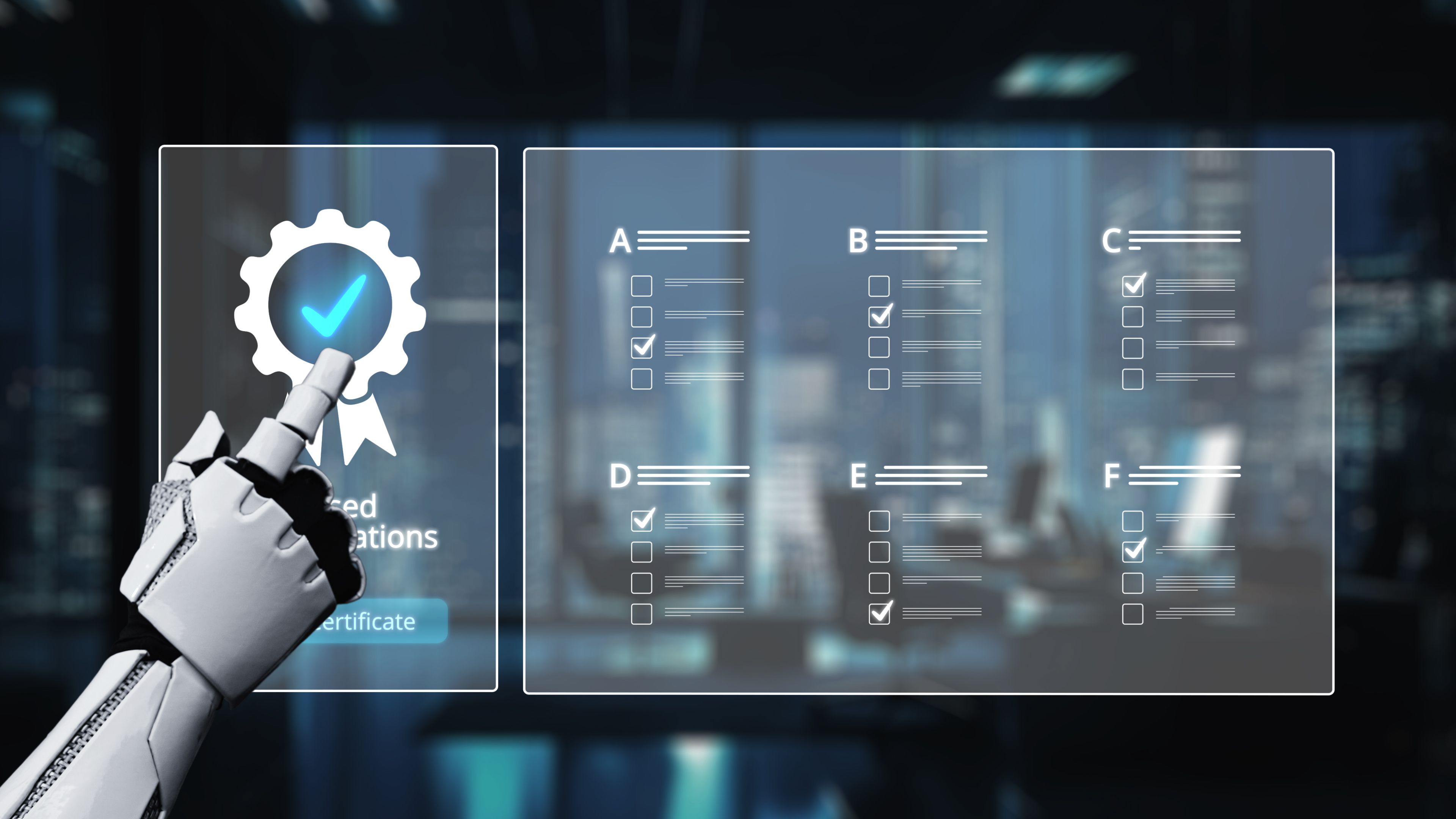
Robotics is transforming how inventory is tracked and managed. Automated systems can now scan products, update databases, and even reorder stock without human intervention. This automation reduces human error and ensures products are always available when needed.
Additionally, robots can perform repetitive tasks much faster than humans, freeing up employees to focus on more strategic activities. This not only boosts productivity but also enhances job satisfaction as workers engage in more meaningful tasks.

Benefits of Real-Time Data
One of the primary advantages of real-time inventory management is access to up-to-the-minute data. This immediacy allows businesses to make informed decisions swiftly. For instance, if a product is selling faster than expected, companies can quickly adjust their restocking strategies to meet demand.
Moreover, real-time data can help identify trends and patterns, providing insights into consumer behavior. This information is invaluable for planning marketing campaigns and improving customer satisfaction.

Improving Efficiency and Reducing Costs
By integrating robotics into inventory management, businesses can significantly reduce operational costs. Automated systems require less human oversight, which leads to lower labor costs. Furthermore, robots can work around the clock, ensuring that inventory tasks are completed without interruption.
Efficiency is also improved through automated sorting and retrieval processes. Robots can quickly locate and transport items within a warehouse, reducing the time it takes to fulfill orders and enhancing overall supply chain performance.
Challenges and Considerations
While the benefits are numerous, adopting real-time inventory management with robotics does come with challenges. Initial setup costs can be high, and businesses must invest in training staff to work alongside new technologies. Additionally, there may be concerns about data security and system reliability.
However, with careful planning and implementation, these challenges can be successfully managed. Companies that invest in these technologies often see a rapid return on investment through increased efficiency and reduced errors.

The Future of Supply Chains
The integration of robotics in real-time inventory management is just the beginning. As technology continues to evolve, we can expect even more sophisticated systems that will further revolutionize supply chains. These advancements will undoubtedly lead to smarter, more agile businesses capable of thriving in a competitive marketplace.
In conclusion, real-time inventory management powered by robotics is transforming supply chains. By embracing this technology, businesses can improve accuracy, reduce costs, and enhance customer satisfaction, paving the way for a more efficient future.