Precision Agriculture with Robotics: A New Era for Australian Farms


Revolutionizing Australian Agriculture
In recent years, the integration of robotics into precision agriculture has been transforming Australian farms. This technological advancement is not just a trend but a necessity, addressing the challenges of sustainability, efficiency, and productivity. With Australia's vast landscapes and diverse climates, precision agriculture with robotics is setting a new standard in farming.
Precision agriculture involves using technology to monitor and manage field variations in crops, optimizing returns while preserving resources. By integrating robotics, farmers can automate tasks such as planting, watering, and harvesting, which reduces labor costs and increases accuracy.
Benefits of Robotics in Precision Agriculture
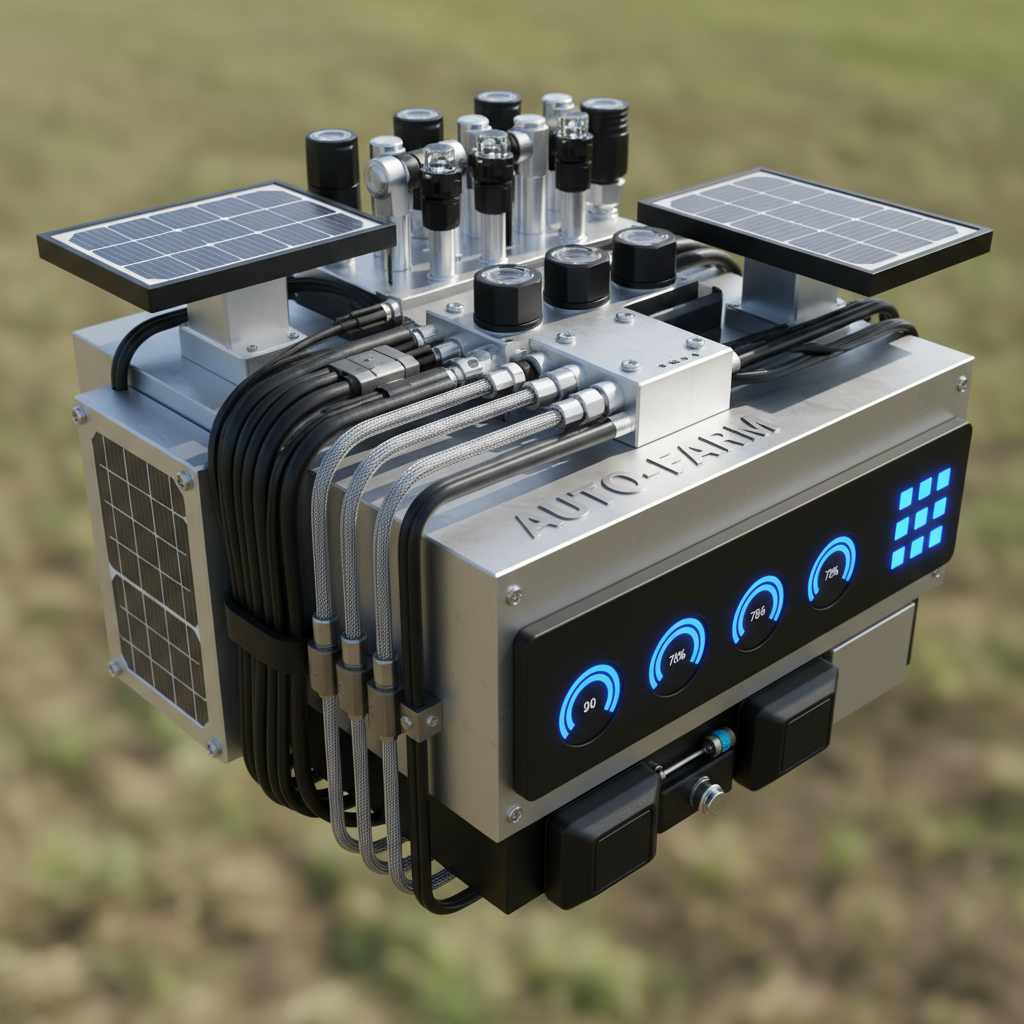
The implementation of robotics in agriculture offers numerous advantages. One of the most significant benefits is the increased efficiency in field operations. Robots can operate 24/7, unaffected by fatigue or weather conditions, ensuring that tasks are completed promptly and consistently.
Another advantage is the precision in resource application. Robots equipped with sensors can monitor soil conditions and plant health, allowing for targeted application of water, fertilizers, and pesticides. This not only conserves resources but also minimizes environmental impact.
Challenges and Solutions
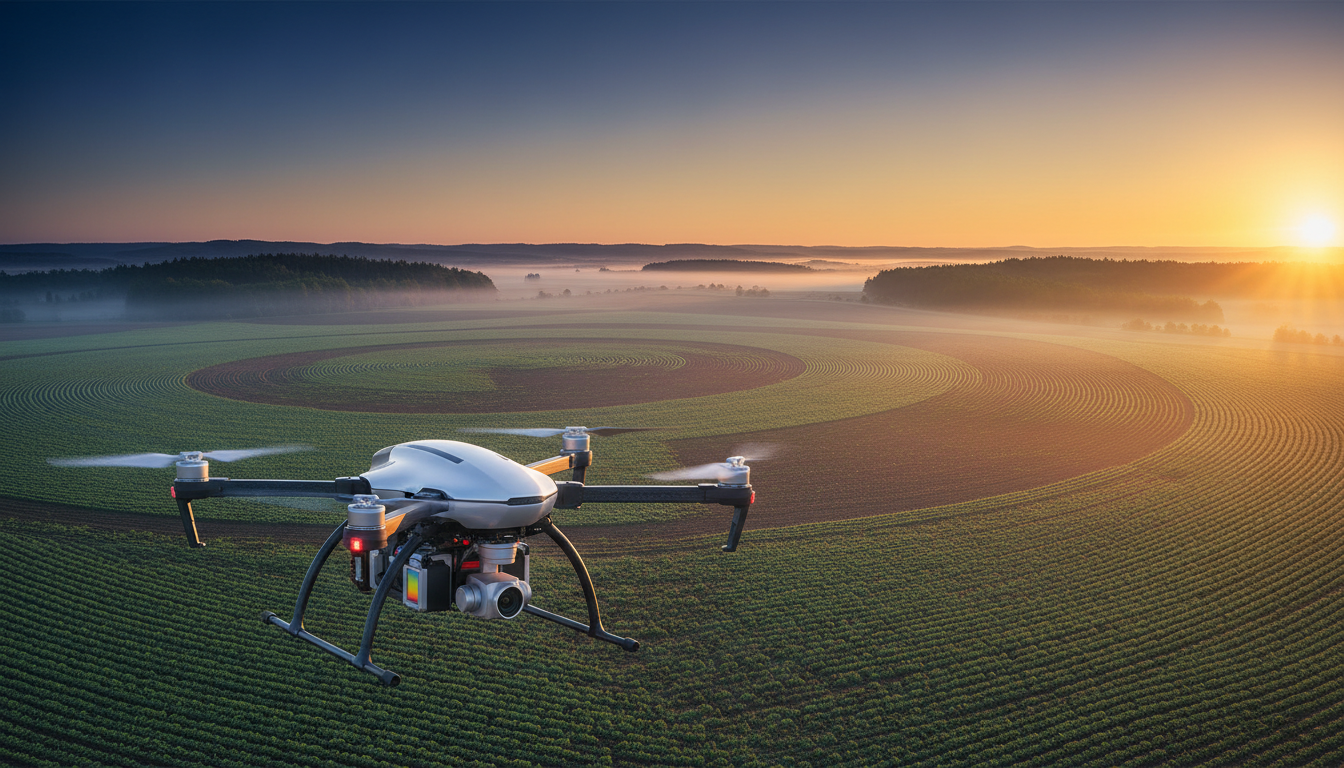
Despite the benefits, there are challenges to implementing robotics in agriculture. The initial cost of investment can be high, and there may be a learning curve for farmers to adapt to new technologies. However, government incentives and subsidies are helping to alleviate financial burdens for farmers willing to embrace these innovations.
Additionally, ongoing research and development are focused on making these technologies more accessible and user-friendly. Collaborative efforts between tech companies and agricultural experts are paving the way for more affordable and efficient solutions.
Case Studies of Success
Several Australian farms have already begun reaping the benefits of this technological shift. For instance, a farm in Victoria has successfully integrated robotic systems into its operations, resulting in a 30% increase in yield and a significant reduction in water usage.
These success stories serve as a testament to the potential of robotics in agriculture, inspiring other farmers to consider similar transformations. As more case studies emerge, the adoption rate is expected to rise, further advancing the industry.

The Future of Farming in Australia
Looking ahead, the role of robotics in precision agriculture is set to expand. Innovations such as autonomous tractors and drones equipped with AI are on the horizon, promising even greater efficiencies and capabilities. This evolution is crucial for addressing the growing demand for food amidst climate change and population growth.
As the technology continues to advance, it is essential for Australian farmers to stay informed and adaptable. By embracing these innovations, they can ensure their farms remain competitive and sustainable in the global market.
Conclusion
Precision agriculture with robotics represents a new era for Australian farms, offering solutions to longstanding challenges while opening up new opportunities for growth. As the industry continues to evolve, the collaboration between technology and agriculture will be key to unlocking the full potential of this revolution.
Ultimately, the integration of robotics into farming is not just about technological advancement; it is about creating a sustainable future for agriculture in Australia and beyond.