Precision Agriculture Technologies: Boosting Efficiency with Robotics


Introduction to Precision Agriculture
Precision agriculture is revolutionizing the farming industry by leveraging cutting-edge technologies to enhance productivity and sustainability. Among these innovations, robotics stands out as a key player in transforming traditional farming methods. By integrating robotics into agricultural practices, farmers can achieve higher efficiency and reduce resource waste.
The adoption of precision agriculture technologies allows for more accurate monitoring and management of crops, leading to optimized yields. As the demand for food production increases, these technological advancements are becoming indispensable.
Robotics in Farming
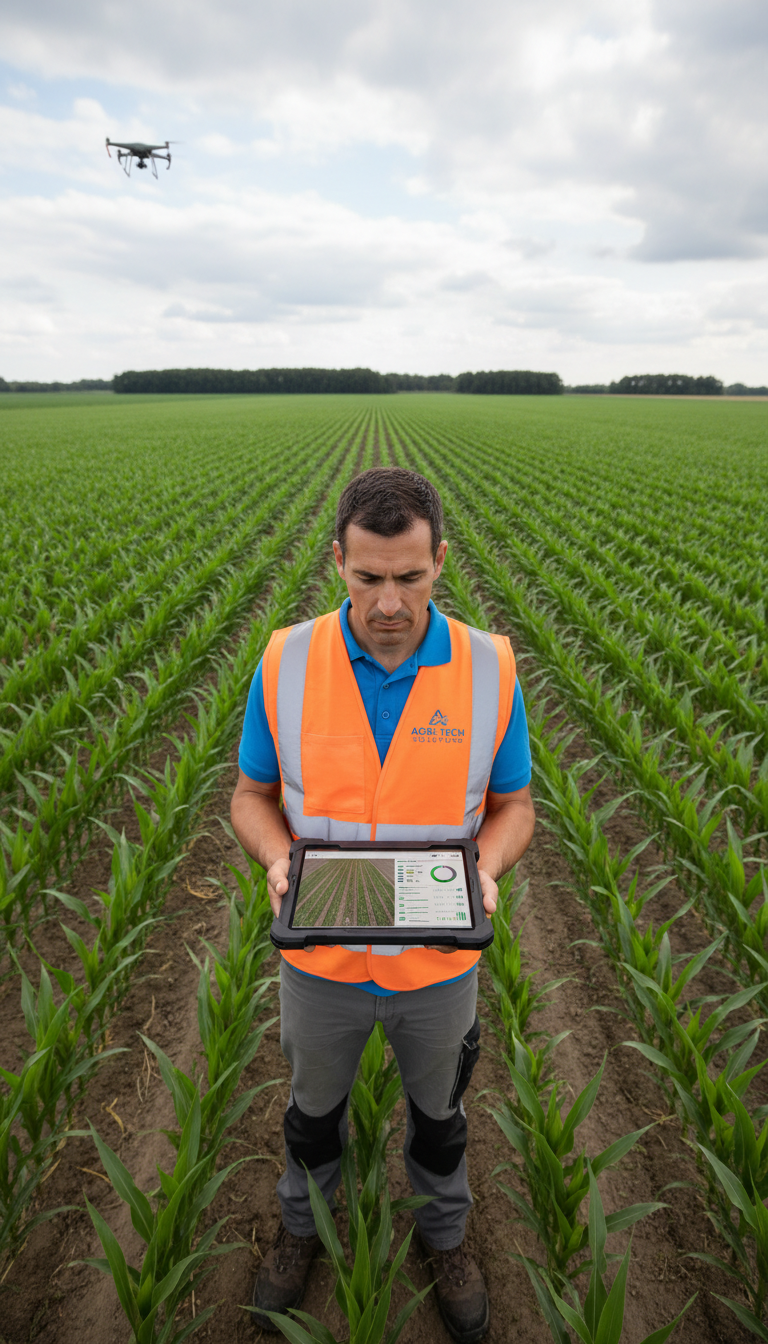
Robots in agriculture are designed to perform a variety of tasks that were once labor-intensive and time-consuming. From planting and harvesting to monitoring crop health, these machines enhance the precision of operations. They can work tirelessly under various conditions, ensuring consistent results.
One of the primary benefits of using robotics in farming is the ability to collect and analyze data in real-time. This data-driven approach allows farmers to make informed decisions, minimizing risks and maximizing productivity.
Key Advantages of Robotic Systems
The integration of robotic systems into agriculture brings several advantages:
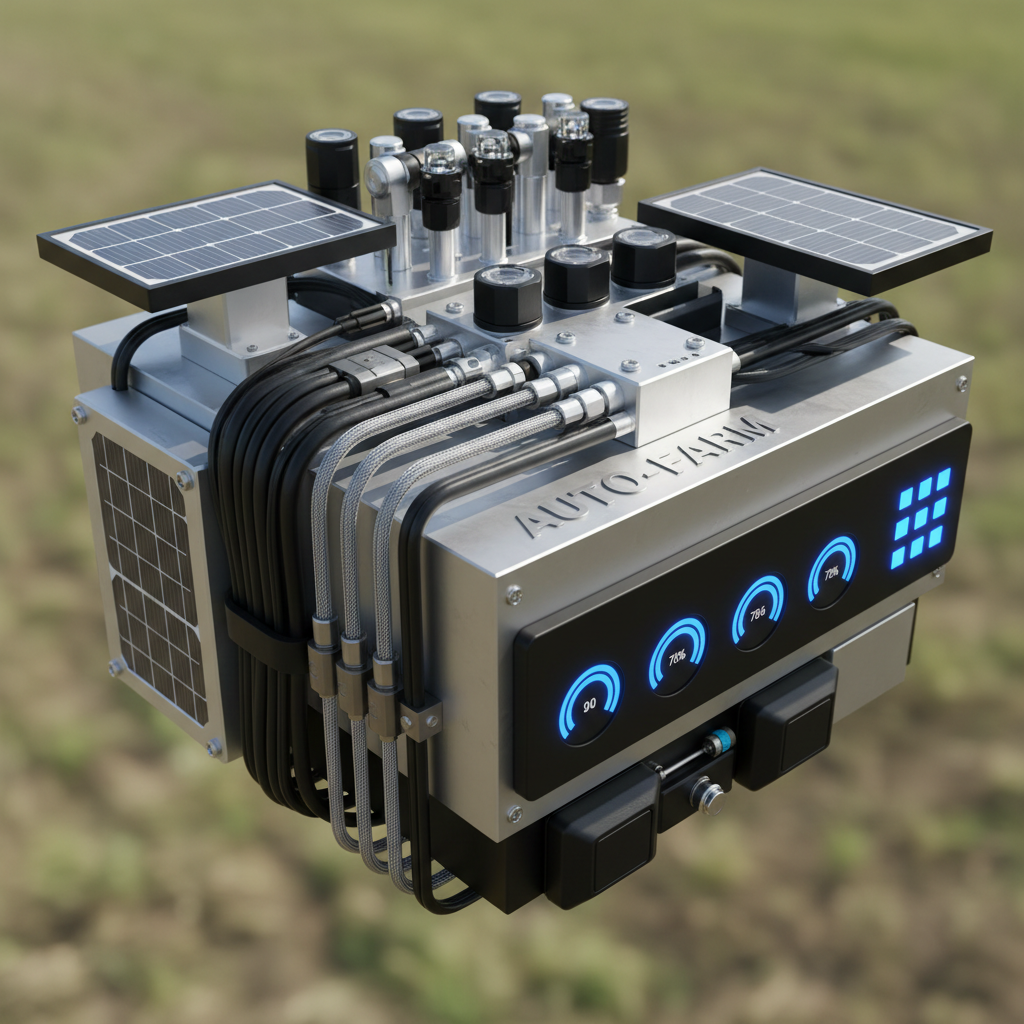
- Increased Efficiency: Robots can operate continuously without fatigue, increasing the overall efficiency of farming operations.
- Reduced Labor Costs: Automation reduces the need for manual labor, lowering operational costs.
- Precision: Enhanced accuracy in tasks such as planting and pesticide application, reducing waste and environmental impact.

Innovative Applications
Robotic technologies are not limited to traditional farming tasks. They are also being used in innovative ways to address specific agricultural challenges. For example, drones equipped with sensors can monitor large tracts of land, providing valuable insights into crop conditions and soil health.
Additionally, autonomous tractors and harvesters are becoming increasingly common, allowing for more efficient land use and crop management. These machines are equipped with GPS and advanced software to navigate fields with precision.
Challenges and Future Prospects
Despite the numerous benefits, the adoption of robotics in agriculture faces challenges. High initial investment costs and the need for skilled personnel to operate and maintain these systems can be barriers for some farmers.
However, as technology advances and becomes more accessible, these obstacles are expected to diminish. The future of agriculture is likely to see even greater integration of robotics, leading to smarter and more sustainable farming practices.

Conclusion
Precision agriculture technologies, particularly robotics, are reshaping the agricultural landscape. By boosting efficiency and reducing waste, these innovations are key to meeting the growing global food demand. As the industry continues to evolve, embracing these technologies will be crucial for farmers aiming to stay competitive and sustainable.