Precision Agriculture Innovations: Harnessing Robotics for a Greener Future


The Rise of Precision Agriculture
Precision agriculture represents a groundbreaking shift in farming practices, leveraging technology to increase crop yields and reduce environmental impact. By integrating advanced robotics, farmers can optimize resources like water, fertilizers, and seeds, promoting a more sustainable approach to agriculture.
As the global population continues to grow, the demand for efficient food production has never been higher. Precision agriculture offers a solution by maximizing productivity while minimizing waste. This method not only benefits farmers economically but also helps preserve our planet's resources.
Robotics: The New Farmhand
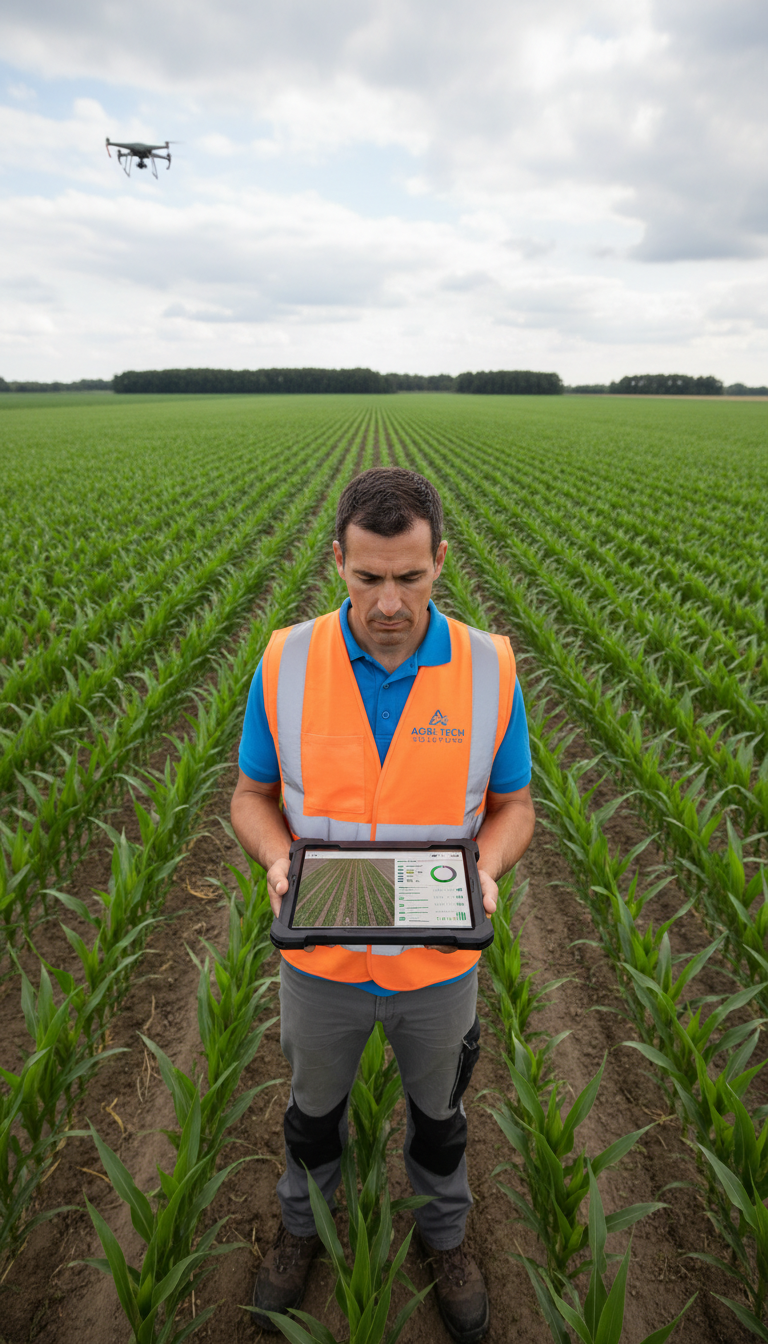
Robotics plays a vital role in modern precision agriculture. From autonomous tractors to drone technology, these innovations are transforming the way we cultivate crops. Robots can perform tasks that were once labor-intensive, such as planting, weeding, and harvesting, with greater speed and accuracy.
One of the most significant advantages of using robotics in agriculture is the ability to gather precise data. Equipped with sensors and GPS technology, these machines can monitor soil health, weather conditions, and crop growth in real time. This data-driven approach allows farmers to make informed decisions, resulting in higher yields and reduced environmental footprint.
Environmental Benefits of Precision Agriculture
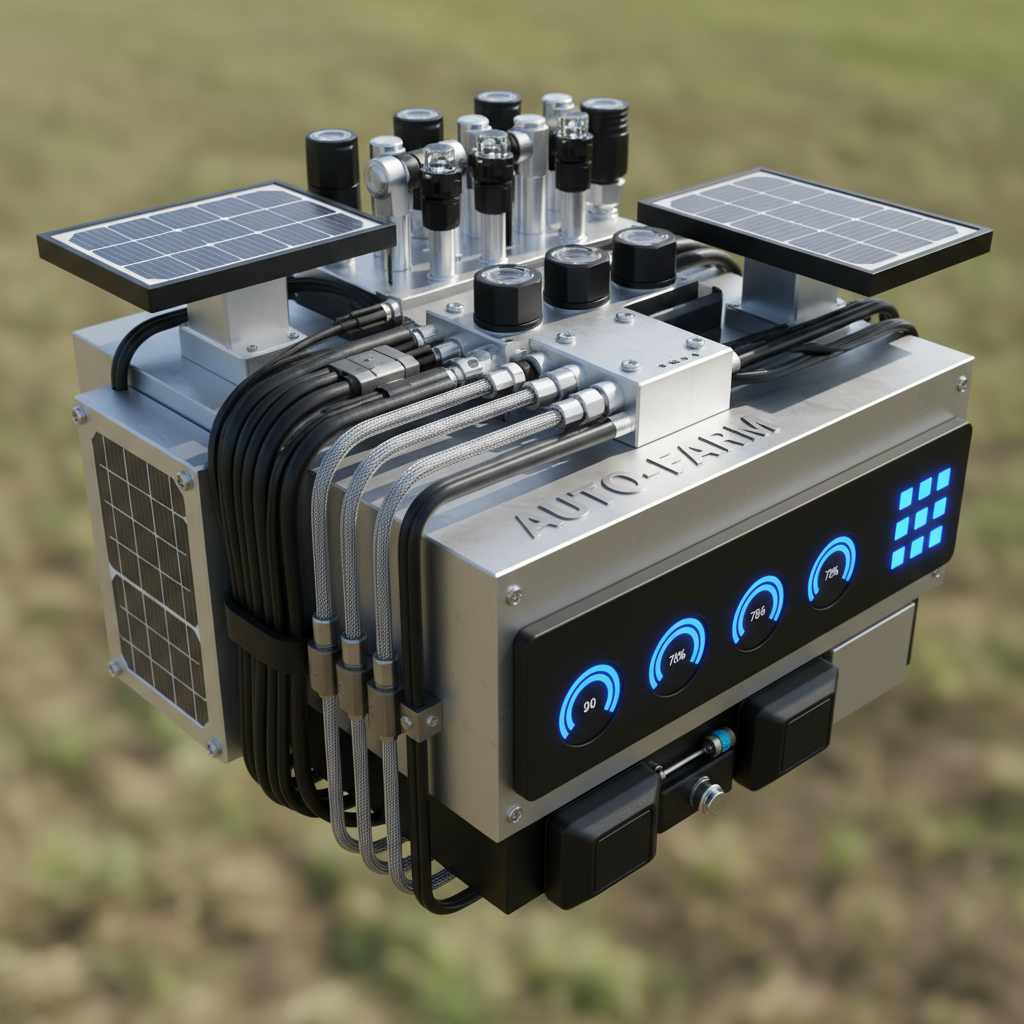
The environmental benefits of precision agriculture are substantial. By using robotics to apply fertilizers and pesticides only where needed, farmers can significantly reduce chemical runoff into nearby water sources. This targeted approach ensures that crops receive the nutrients they require without overburdening the ecosystem.
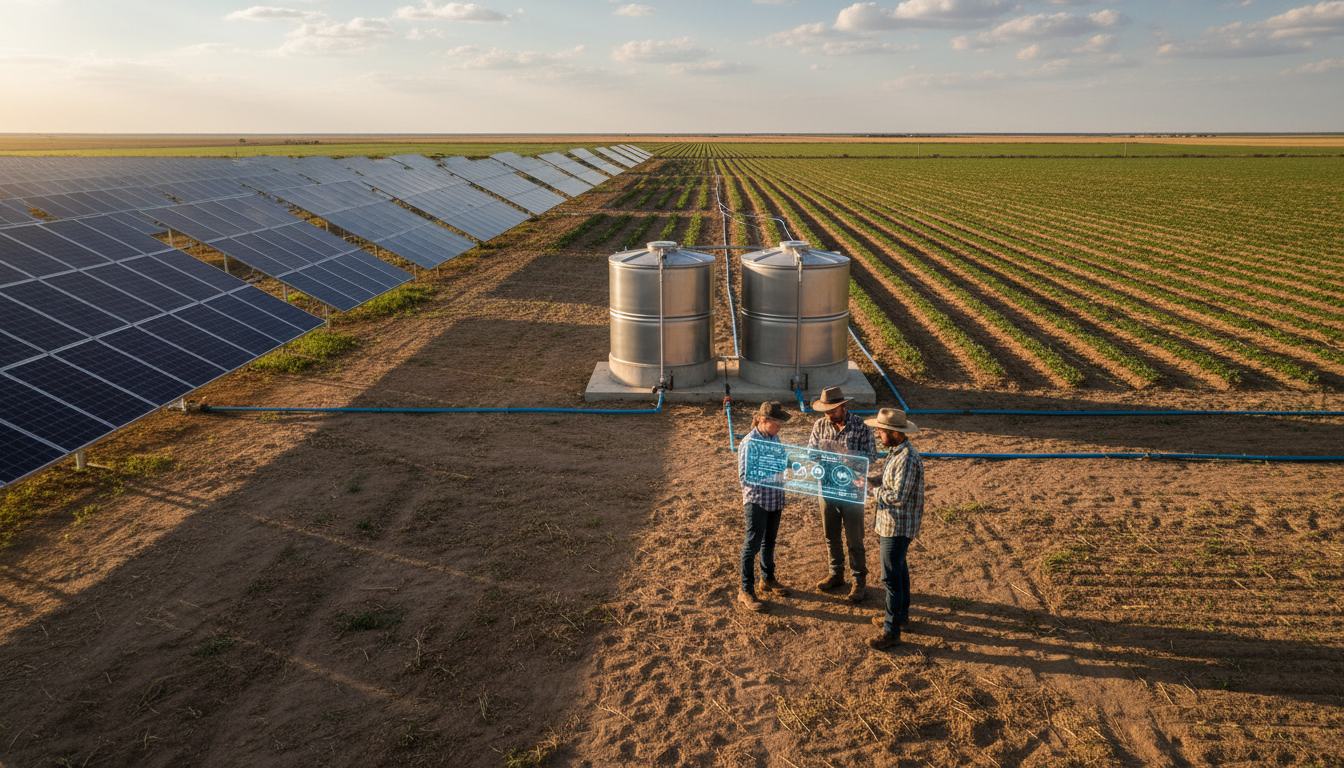
Furthermore, precision agriculture aids in water conservation. With the help of smart irrigation systems, farmers can monitor soil moisture levels and deliver water only when necessary. This not only conserves water but also prevents soil erosion and degradation.
The Future of Farming
As technology continues to evolve, the future of farming looks promising. Innovations in machine learning and artificial intelligence are set to revolutionize precision agriculture even further. These advancements will enable farmers to predict crop diseases, optimize planting schedules, and enhance overall farm management.
Governments and organizations worldwide are recognizing the potential of precision agriculture to address food security challenges. By supporting research and development in this field, they are paving the way for a greener and more sustainable future.
Challenges and Considerations
Despite its numerous advantages, precision agriculture is not without challenges. The initial cost of implementing robotic systems can be prohibitive for small-scale farmers. Additionally, there is a need for proper training to ensure that these technologies are used effectively and efficiently.
Data privacy and security are also concerns, as the vast amount of information collected by these systems must be protected from misuse. Addressing these challenges will be crucial to the widespread adoption of precision agriculture.

Conclusion
Precision agriculture, powered by robotics, offers a promising solution to the challenges faced by modern agriculture. By embracing these technologies, farmers can achieve higher productivity while minimizing environmental impact. As we move towards a more sustainable future, the role of precision agriculture will become increasingly vital in feeding the world's growing population.