Precision Agriculture: The Role of Robotics in Sustainable Farming


Introduction to Precision Agriculture
Precision agriculture, also known as smart farming, is a farming management concept that utilizes advanced technology to monitor and optimize agricultural operations. By leveraging data and automation, precision agriculture aims to increase crop yields while minimizing environmental impact. Among the cutting-edge technologies driving this shift, robotics plays a crucial role.
The Rise of Robotics in Farming
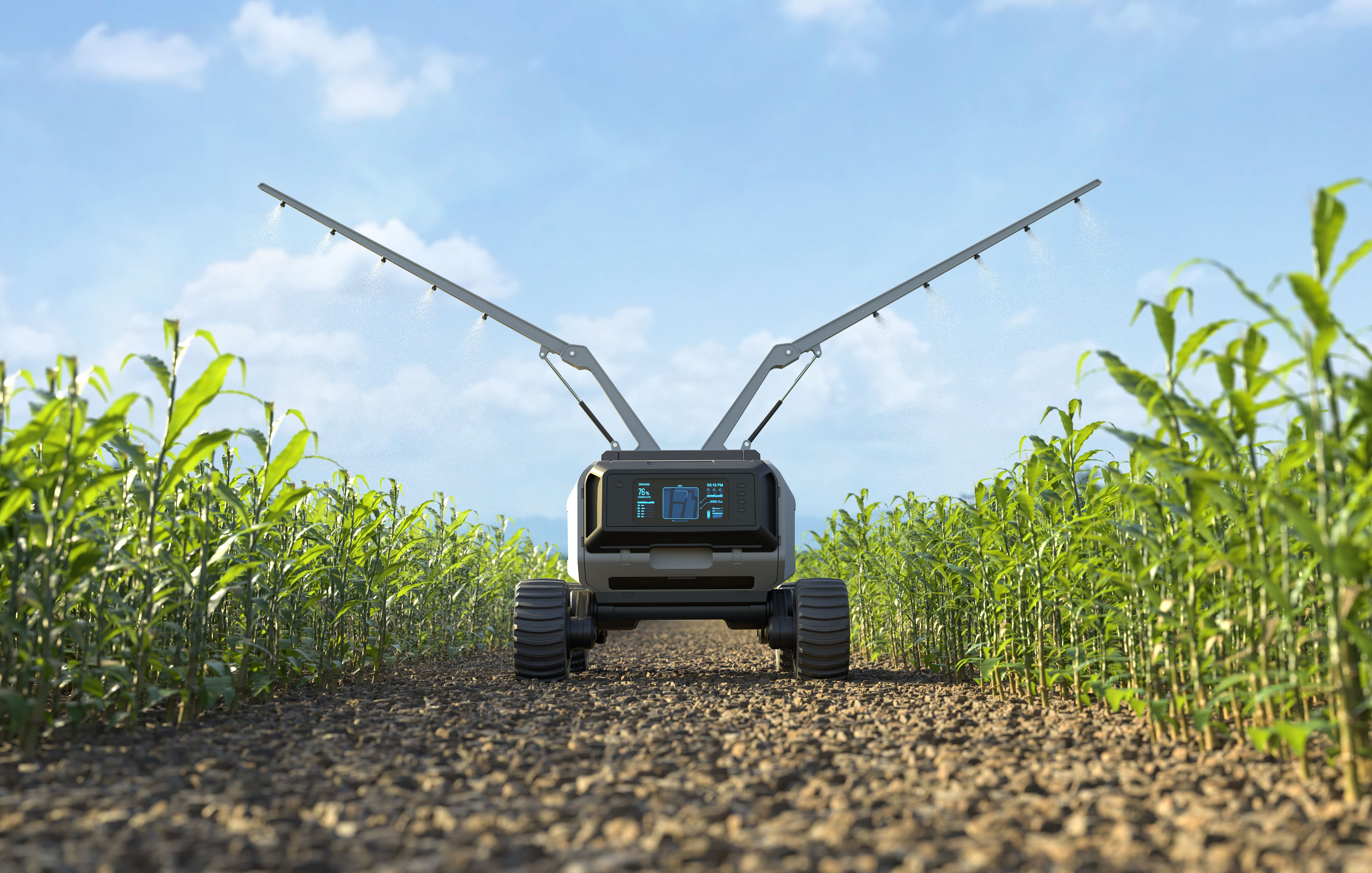
Robotics in agriculture has evolved rapidly, allowing farmers to perform tasks with greater precision and efficiency. These machines are designed to handle repetitive tasks, such as planting, weeding, and harvesting, with minimal human intervention. The integration of robotics in farming represents a major shift toward more sustainable practices.
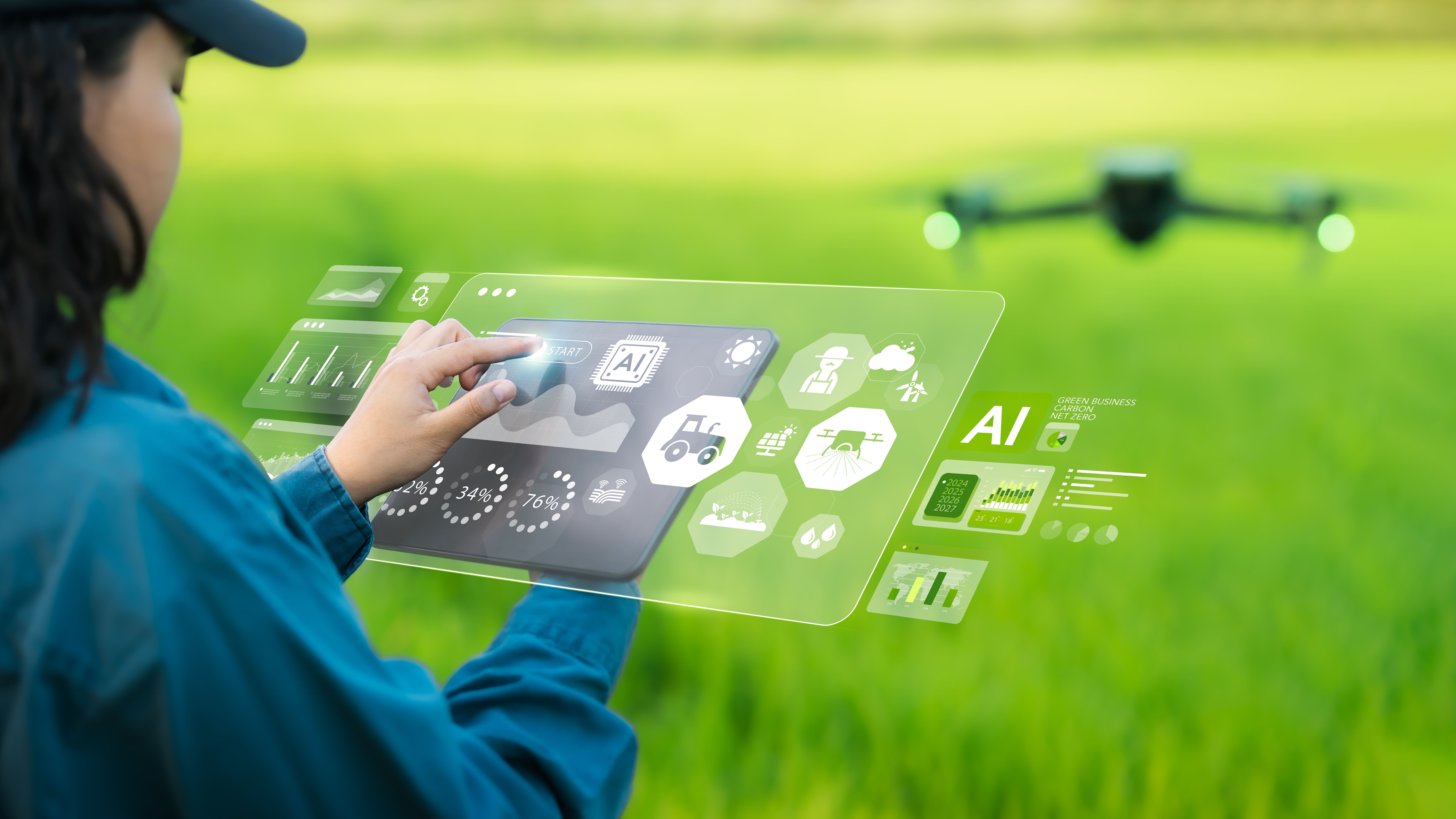
Robots equipped with sensors and artificial intelligence can gather real-time data about soil conditions, crop health, and weather patterns. This data enables farmers to make informed decisions, reducing waste and conserving resources. As a result, robotics not only enhances productivity but also supports environmental sustainability.
Automation in Agriculture
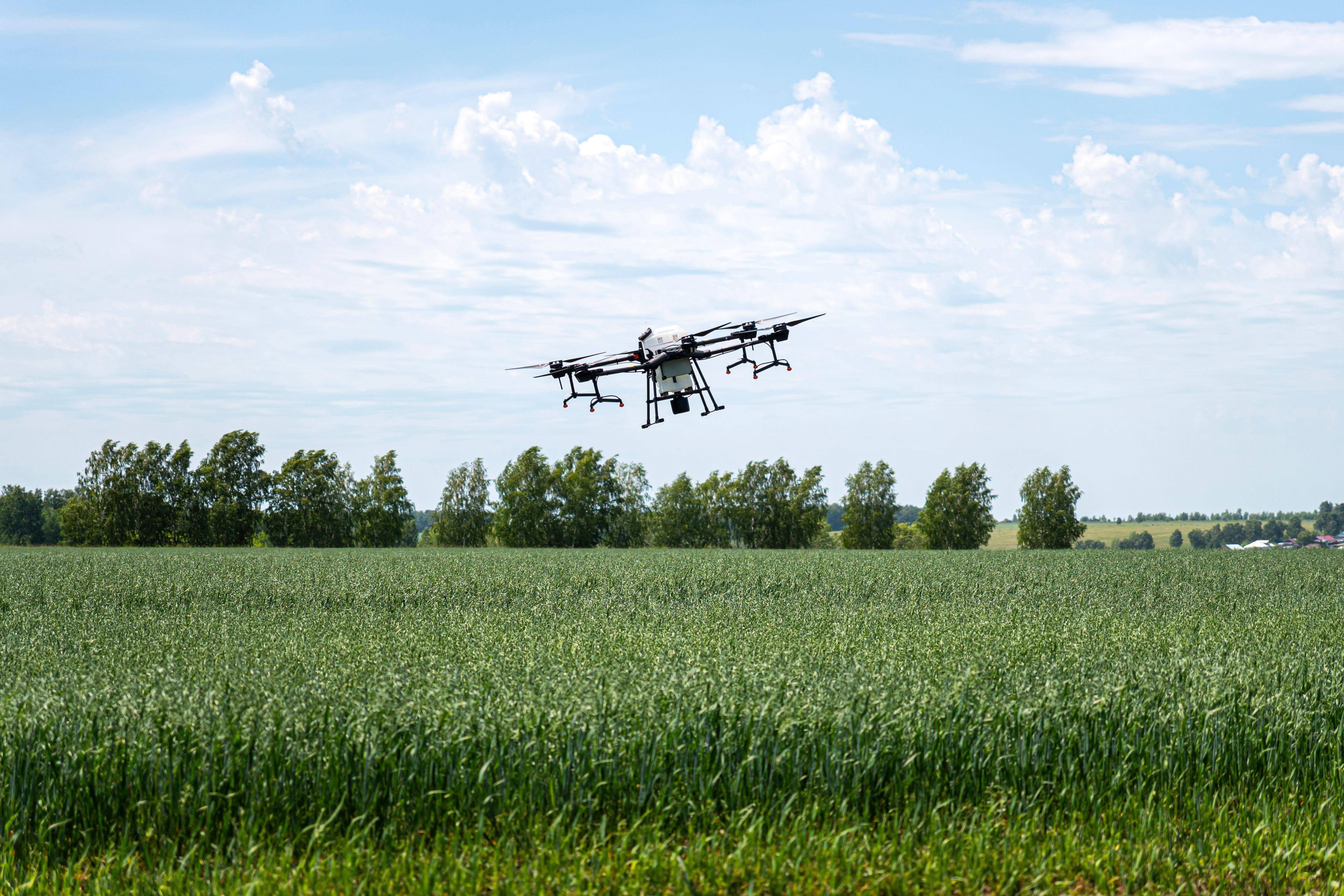
Automation is a key component of robotics in agriculture. Automated systems help streamline various processes, from irrigation to pest control. For instance, drones can be used to monitor crop health from above, identifying areas that require attention. This targeted approach reduces the need for chemical inputs, promoting a healthier ecosystem.
Benefits of Robotics in Sustainable Farming
Robotics offers numerous benefits for sustainable farming. These include:
- Improved Efficiency: Robots can work tirelessly, performing tasks faster and with more accuracy than human labor.
- Resource Conservation: By using data-driven insights, farmers can apply water, fertilizers, and pesticides more precisely, reducing waste.
- Reduced Environmental Impact: Minimizing chemical usage helps protect biodiversity and soil health.
In addition to these advantages, robotics can help address labor shortages in the agricultural sector. By automating labor-intensive tasks, farms can operate more efficiently with fewer workers.
Challenges and Considerations
While the benefits are clear, integrating robotics into farming is not without challenges. High initial costs and the need for technical expertise can be barriers for small-scale farmers. Additionally, the reliance on technology raises concerns about data security and privacy.
Despite these challenges, the potential of robotics in sustainable farming is immense. By continuing to innovate and address these hurdles, the agriculture industry can move towards a more sustainable and resilient future.
The Future of Robotics in Agriculture
As technology advances, the role of robotics in agriculture is expected to expand. Future developments may include robots capable of performing complex tasks such as selective harvesting and plant breeding. The integration of machine learning and artificial intelligence will further enhance the capabilities of agricultural robots.
The collaboration between tech companies, agricultural experts, and policymakers will be crucial in shaping the future of farming. By working together, we can ensure that the benefits of robotics are accessible to all farmers, paving the way for a more sustainable and productive agricultural landscape.