Precision Agriculture: How Robotics is Redefining Australian Farming


Introduction to Precision Agriculture
Precision agriculture is transforming the way farming is conducted worldwide, and in Australia, this transformation is being led by the integration of robotics. This cutting-edge approach focuses on increasing efficiency, reducing waste, and enhancing productivity. By harnessing technology, Australian farmers are redefining their traditional practices to meet the demands of modern agriculture.
The Role of Robotics in Australian Farming
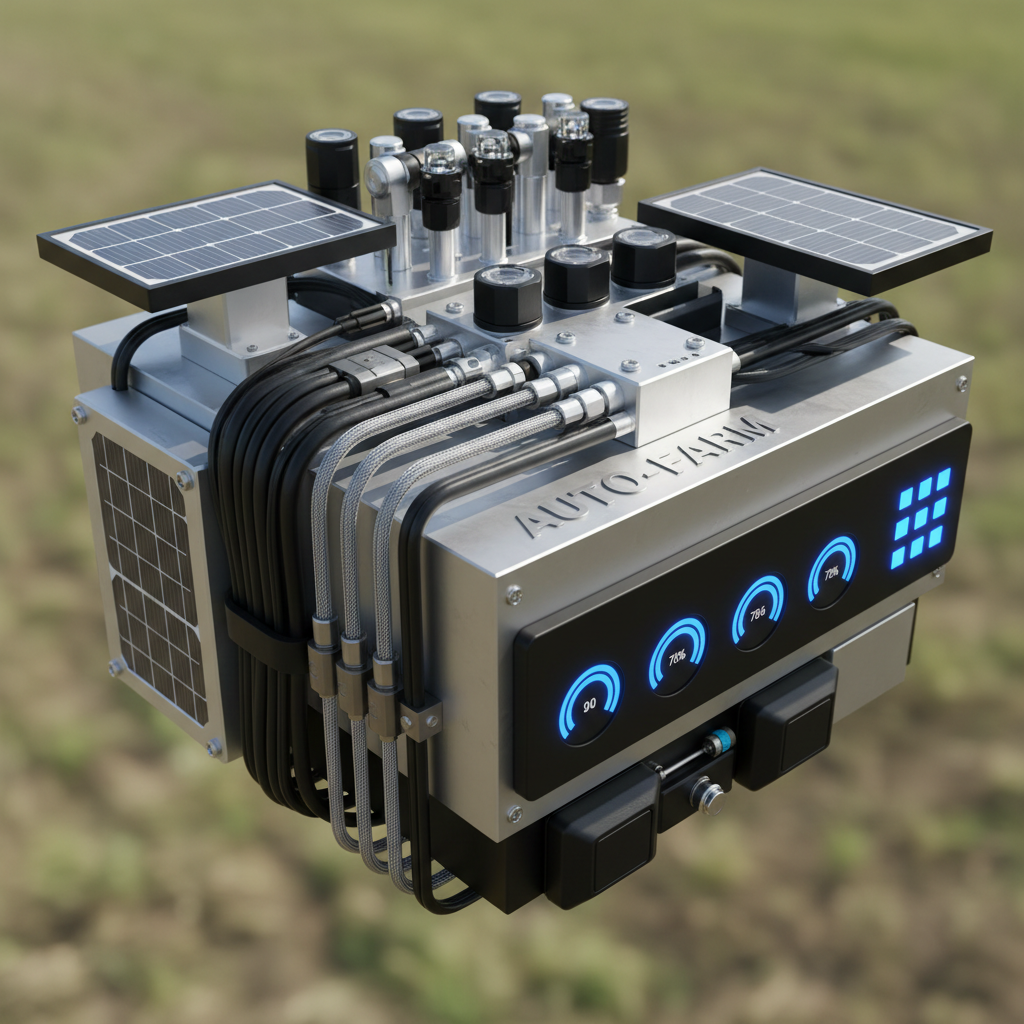
Robotics plays a crucial role in precision agriculture by automating tasks that were once labor-intensive. Robots equipped with sensors and GPS technology can perform activities such as planting, watering, and harvesting with remarkable accuracy. This automation not only saves time but also minimizes errors, leading to higher crop yields.
Moreover, robots can operate 24/7, allowing farmers to maximize output without the constraints of human labor. This constant operation is especially beneficial in Australia, where vast landscapes and unpredictable weather conditions can pose significant challenges.
Benefits of Precision Agriculture
The introduction of robotics into precision agriculture offers numerous advantages:
- Increased Efficiency: Automated systems reduce the time spent on manual labor.
- Resource Optimization: Precise application of water, fertilizers, and pesticides minimizes waste.
- Environmental Impact: Reduced chemical usage leads to a healthier environment.
Innovative Technologies in Use
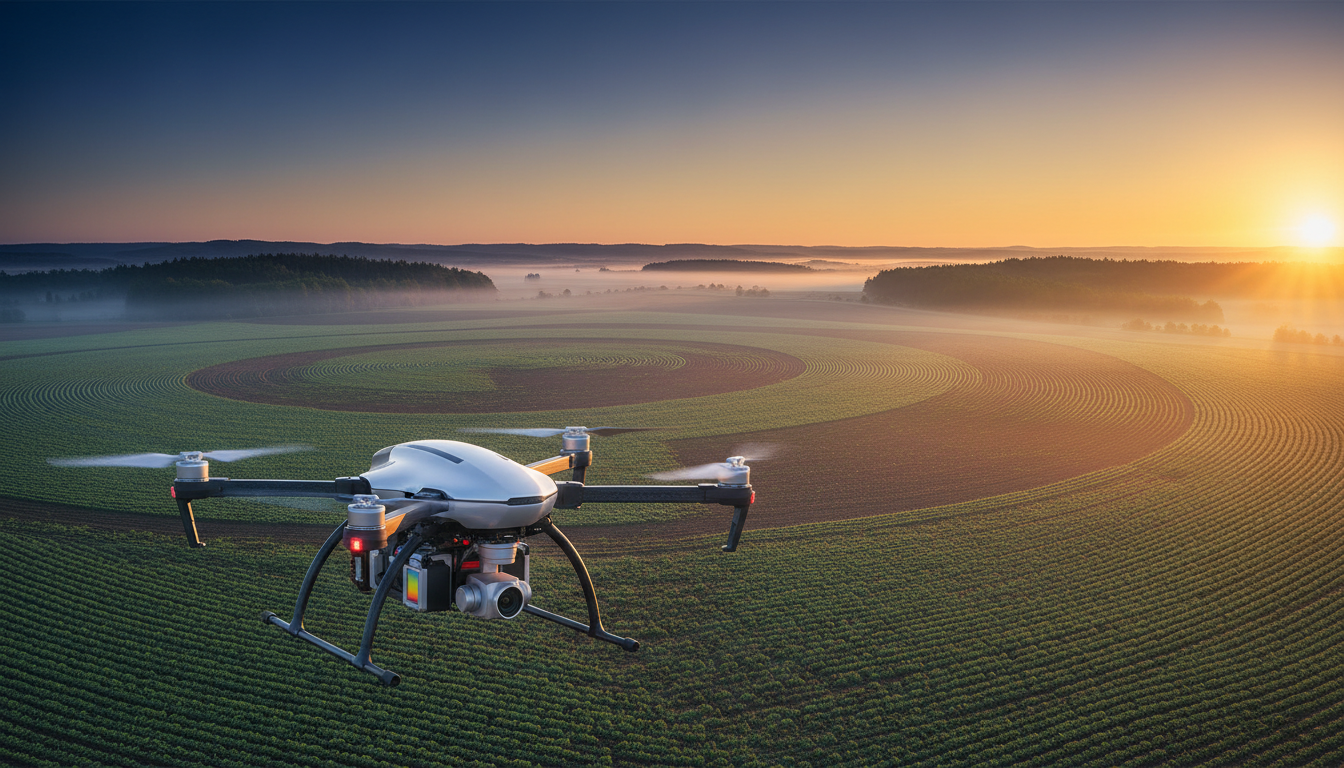
Several cutting-edge technologies are at the forefront of precision agriculture in Australia. Drones, for instance, are used for aerial surveying, providing real-time data on crop health and soil conditions. This information allows farmers to make informed decisions about resource allocation.
Additionally, autonomous tractors and harvesters are becoming increasingly common. These machines use advanced algorithms to navigate fields without human intervention, ensuring consistent and precise operations.
Challenges and Future Prospects
Despite its benefits, the adoption of robotics in agriculture is not without challenges. High initial costs and the need for technical expertise can be barriers for some farmers. However, government incentives and educational programs are helping to overcome these obstacles.
Looking ahead, the future of precision agriculture in Australia is promising. As technology continues to advance, the integration of artificial intelligence and machine learning will further enhance the capabilities of robotic systems, leading to even greater efficiencies and sustainability.
Conclusion: A New Era for Australian Farming
Precision agriculture, powered by robotics, is ushering in a new era for Australian farming. By embracing these technologies, farmers are not only improving their productivity but also ensuring the long-term sustainability of their operations. As the industry evolves, Australia's agricultural sector is likely to become a global leader in innovative farming practices.