Precision Agriculture: Harnessing Robotics for a Greener Future in Victoria


Introduction to Precision Agriculture
Precision agriculture is revolutionizing the way we approach farming, especially in regions like Victoria. By leveraging cutting-edge technology, farmers can optimize their practices, reduce waste, and enhance productivity. Central to this transformation is the use of robotics, which plays a crucial role in creating a more sustainable and efficient agricultural sector.
The Role of Robotics in Modern Farming
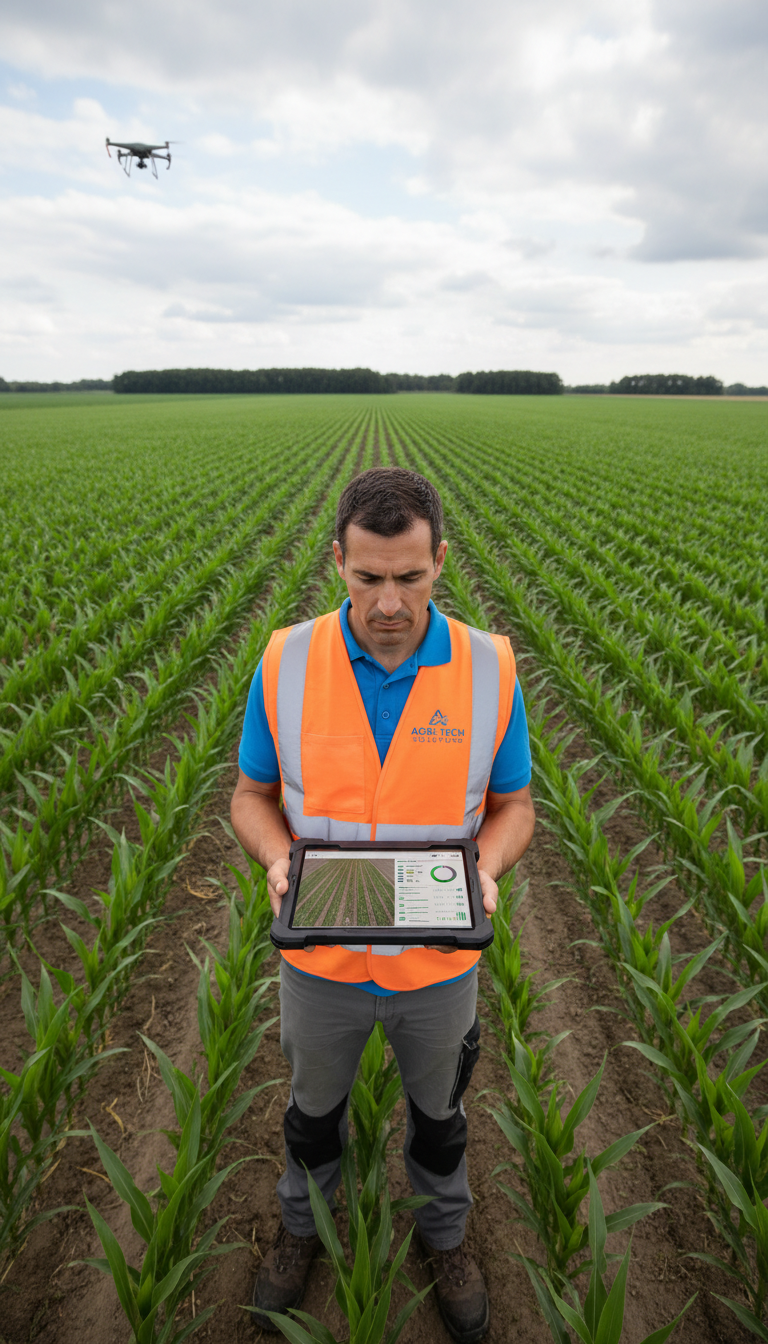
Robotics is at the forefront of precision agriculture, offering numerous advantages. Robots can perform repetitive tasks with accuracy, such as planting, watering, and harvesting. This not only increases efficiency but also allows farmers to focus on more strategic aspects of farming. In Victoria, these advancements are particularly significant given the diverse agricultural landscape.
Robots equipped with sensors and GPS technology can collect detailed data on soil conditions, crop health, and weather patterns. This data-driven approach enables farmers to make informed decisions, ultimately leading to higher yields and reduced environmental impact.
Benefits of Robotics in Agriculture
The integration of robotics in agriculture comes with multiple benefits:
- Increased Efficiency: Robots can work around the clock, increasing the speed and precision of farming operations.
- Resource Optimization: Accurate data collection helps in the efficient use of water, fertilizers, and pesticides.
- Labor Savings: Automation reduces the need for manual labor, addressing workforce shortages.
Environmental Impact and Sustainability
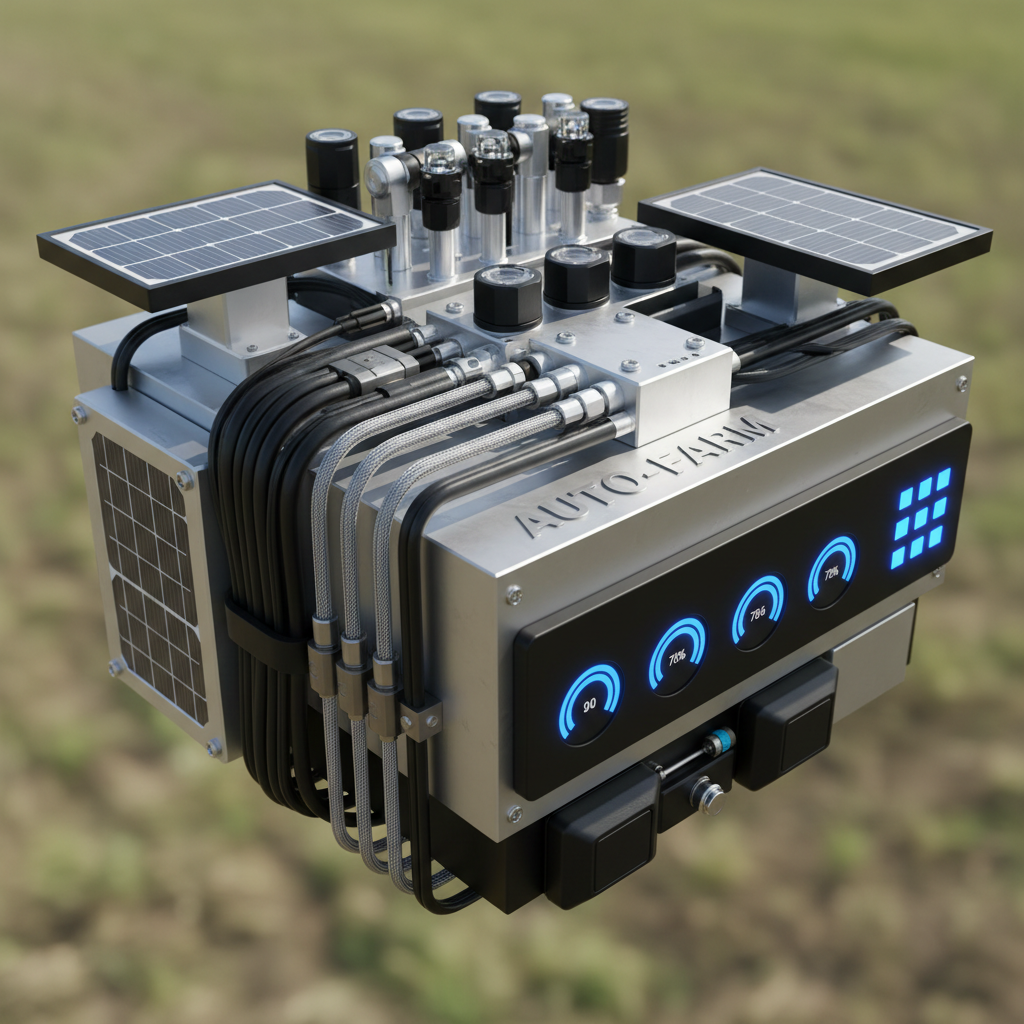
Precision agriculture through robotics significantly contributes to environmental sustainability. By optimizing resource use, farmers can minimize their ecological footprint. The precise application of inputs reduces runoff and soil degradation, preserving the natural landscape of Victoria.
Moreover, the use of drones and autonomous vehicles helps monitor large tracts of land efficiently, reducing the need for heavy machinery that can harm the soil. This approach aligns with global efforts to combat climate change and supports Victoria's commitment to a greener future.
Challenges and Future Prospects
Despite its advantages, the adoption of robotics in agriculture faces challenges. High initial costs and the need for technical expertise can be barriers for some farmers. However, ongoing research and government support are making these technologies more accessible.

The future of precision agriculture in Victoria looks promising as technology continues to evolve. Innovations in machine learning and artificial intelligence are expected to further enhance the capabilities of agricultural robots, making them smarter and more adaptable.
Conclusion: A Greener Future
Precision agriculture, powered by robotics, is paving the way for a more sustainable and productive agricultural industry in Victoria. By embracing these technologies, farmers can not only improve their yields but also contribute to a healthier planet. The journey towards a greener future is well underway, and the potential for innovation is vast.