Optimizing Supply Chains with Robotics: A Guide for Australian Businesses


Introduction to Robotics in Supply Chains
In today's fast-paced business environment, optimizing supply chains is crucial for maintaining competitive advantage. One of the most effective ways to achieve this is through the integration of robotics. For Australian businesses, leveraging robotics can result in increased efficiency, reduced costs, and enhanced accuracy.
The Benefits of Robotics in Supply Chains
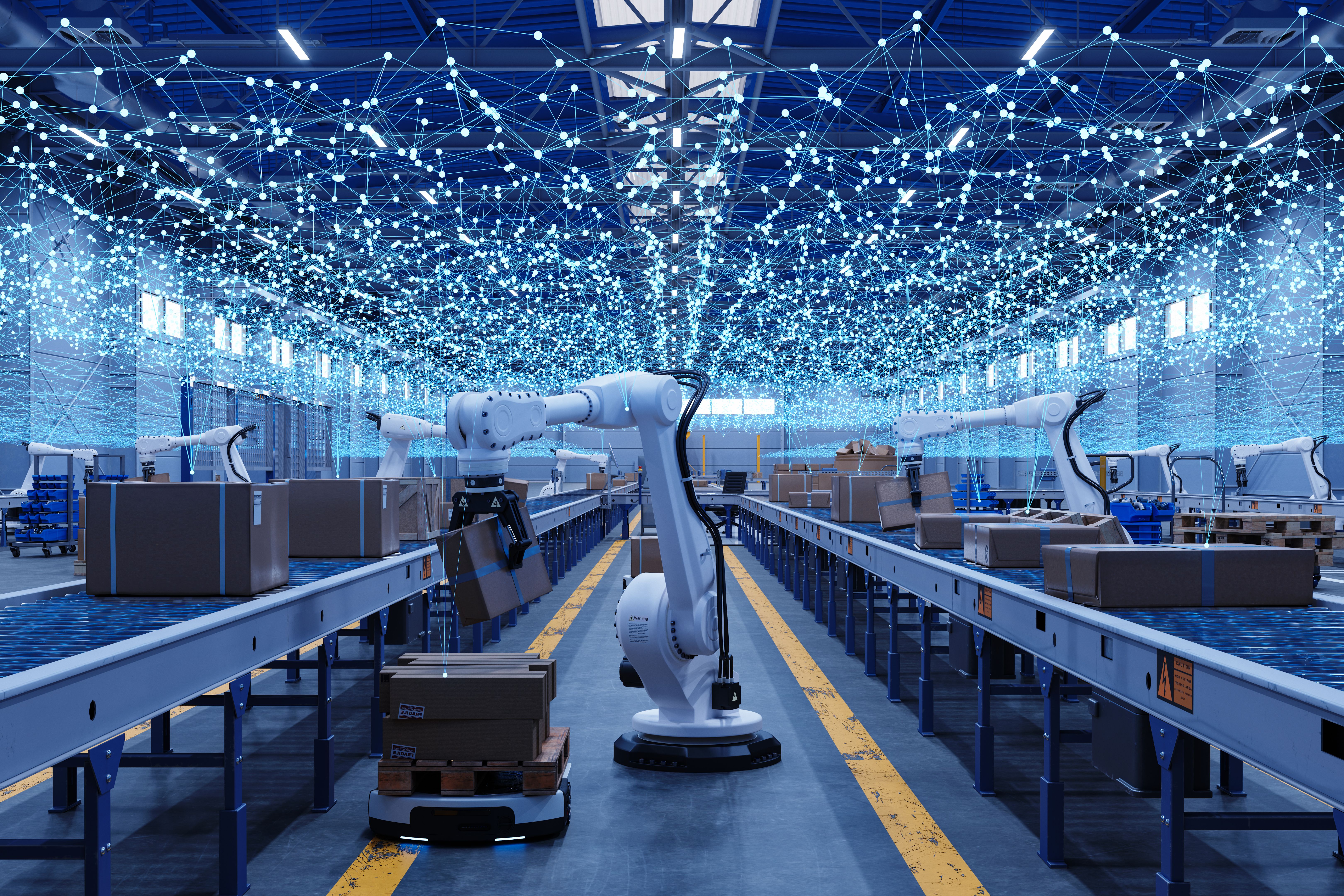
Robotics offers a range of benefits that can transform supply chain operations. By automating repetitive tasks, businesses can achieve faster processing times and minimize human error. Furthermore, robotics can operate continuously, ensuring that supply chains are active 24/7 without the need for breaks or shifts.
Another significant advantage is the ability to handle complex logistics tasks. Robots equipped with advanced sensors and AI can navigate and manage inventory more effectively than traditional methods.
Cost Reduction and Efficiency
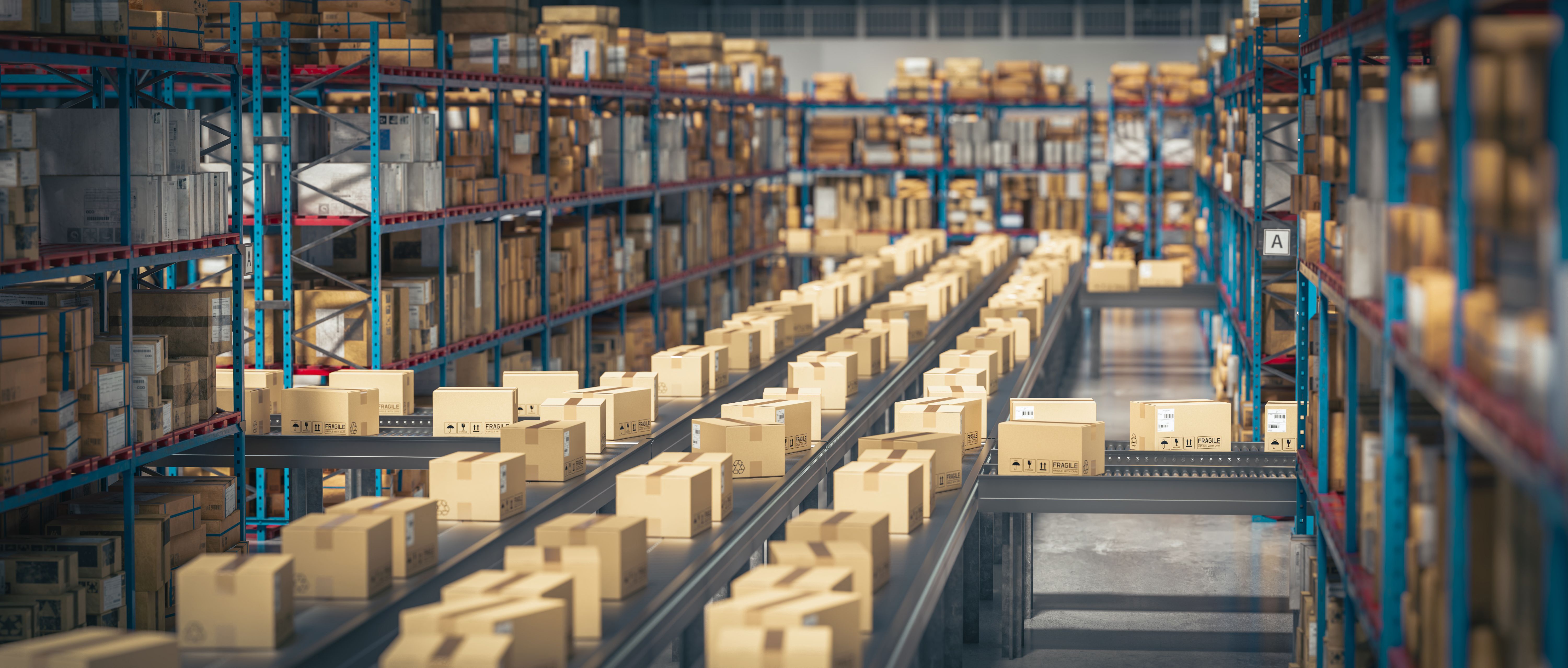
Implementing robotics can lead to substantial cost savings. By reducing reliance on manual labor, businesses can lower operational costs. Additionally, robots can optimize space utilization in warehouses, allowing for better inventory management and reduced overheads.
Improved Accuracy and Quality Control
With robotics, the accuracy of operations is significantly enhanced. Robots are designed to perform tasks with precision, ensuring consistent quality control. This level of accuracy is particularly beneficial in industries where even minor errors can lead to significant financial losses.
Implementing Robotics in Your Supply Chain
For businesses considering robotics, the implementation process involves several key steps. It's essential to assess your current operations to identify areas where robotics can have the most impact. Once you've pinpointed these areas, selecting the right robotic solutions tailored to your needs is crucial.

Choosing the Right Technology
The choice of technology depends on the specific requirements of your supply chain. Whether it's automated guided vehicles (AGVs) for transportation or robotic arms for assembly, ensure the technology aligns with your operational goals.
Training and Integration
Successful integration of robotics also involves training your workforce. Employees need to be familiar with the new technology to ensure smooth operations. Providing adequate training can help in minimizing disruptions and ensuring that your team is ready to work alongside robots.
Challenges and Considerations
While the benefits are clear, there are challenges to consider. The initial investment in robotics can be high, and businesses must weigh this against the long-term savings. Additionally, integrating new technology requires a shift in company culture and processes.

It's also important to stay informed about regulatory compliance and safety standards, as these can impact how robotics are implemented and used within your operations.
Conclusion
Optimizing supply chains with robotics is a strategic move for Australian businesses aiming to stay competitive. By understanding the benefits, implementation processes, and potential challenges, companies can make informed decisions that drive growth and efficiency. Embracing robotics not only enhances the supply chain but also positions businesses for future success in an ever-evolving market.