Maximizing Efficiency with Autonomous Mobile Robots: A Melbourne Case Study


Introduction to Autonomous Mobile Robots
In recent years, the integration of autonomous mobile robots (AMRs) has revolutionized industries worldwide. These robots are designed to navigate complex environments independently, offering unparalleled efficiency and flexibility. In Melbourne, businesses are increasingly adopting AMRs to streamline operations and boost productivity.
The growing demand for automation solutions in logistics and manufacturing has driven innovations in AMR technology. By minimizing human intervention, these robots can significantly reduce operational costs and improve accuracy.
Case Study: A Melbourne Warehouse
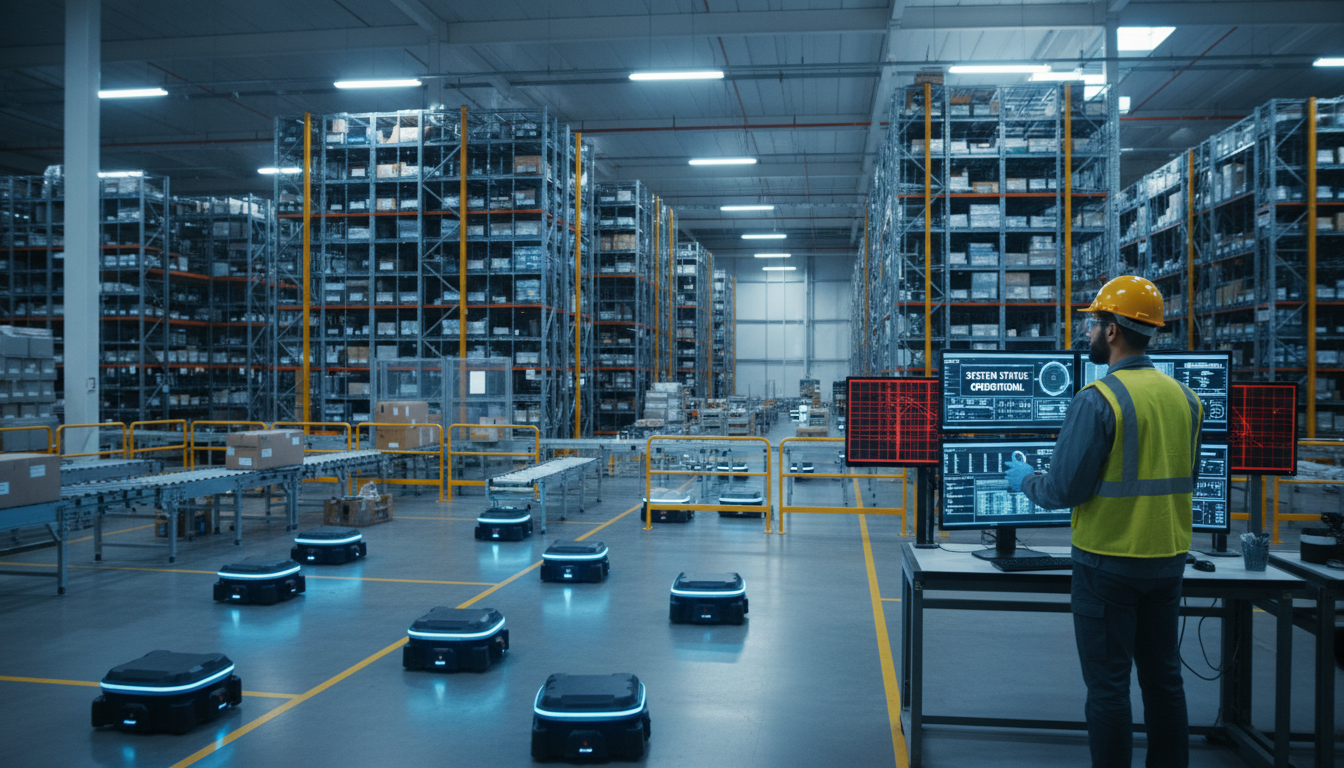
One of Melbourne's leading logistics companies recently implemented AMRs in their central warehouse. The goal was to enhance order fulfillment speed and accuracy while reducing labor costs. The results were impressive, demonstrating a clear advantage over traditional methods.
The AMRs were tasked with transporting goods from storage to packing stations. This eliminated the need for manual handling and reduced the risk of errors associated with human operations.
Implementation Process
The integration of AMRs into the warehouse was a carefully planned process. The company began with a pilot program, deploying a small fleet of robots to test their capabilities. This allowed them to identify potential challenges and optimize the AMR configuration for their specific needs.
After successful trials, the full integration was rolled out. The warehouse management system was updated to seamlessly communicate with the AMRs, ensuring smooth operations and real-time tracking of inventory.
Benefits of AMRs in Warehousing
The deployment of AMRs brought numerous benefits to the Melbourne warehouse. Key advantages included:
- Increased Efficiency: AMRs can operate 24/7, significantly speeding up processes and reducing turnaround times.
- Cost Savings: By automating repetitive tasks, the company reduced labor costs and minimized the need for overtime.
- Improved Safety: AMRs handle potentially dangerous tasks, reducing the risk of workplace injuries.
Challenges and Solutions
Despite the benefits, the implementation of AMRs came with challenges. Initial concerns included the cost of technology and potential disruptions during the transition period. However, these were mitigated through strategic planning and phased integration.
Training staff to work alongside AMRs was another critical aspect. The company invested in comprehensive training programs to ensure a smooth transition and foster a collaborative human-robot environment.
Conclusion
The case study of the Melbourne warehouse highlights the transformative impact of AMRs in the logistics sector. By embracing this technology, businesses can achieve significant gains in efficiency, safety, and cost-effectiveness.
As AMR technology continues to evolve, its adoption is expected to grow, paving the way for smarter, more efficient operations across various industries. Melbourne is at the forefront of this movement, setting an example for others to follow.