Maximizing Efficiency: How Automation is Revolutionizing Australian Warehouses


The Rise of Automation in Warehousing
In recent years, the landscape of warehousing in Australia has undergone a significant transformation. The integration of automation technologies has not only enhanced efficiency but also reshaped the way warehouses operate. From robotics to sophisticated software systems, automation is becoming an essential component in the logistics sector.
Key Benefits of Automation
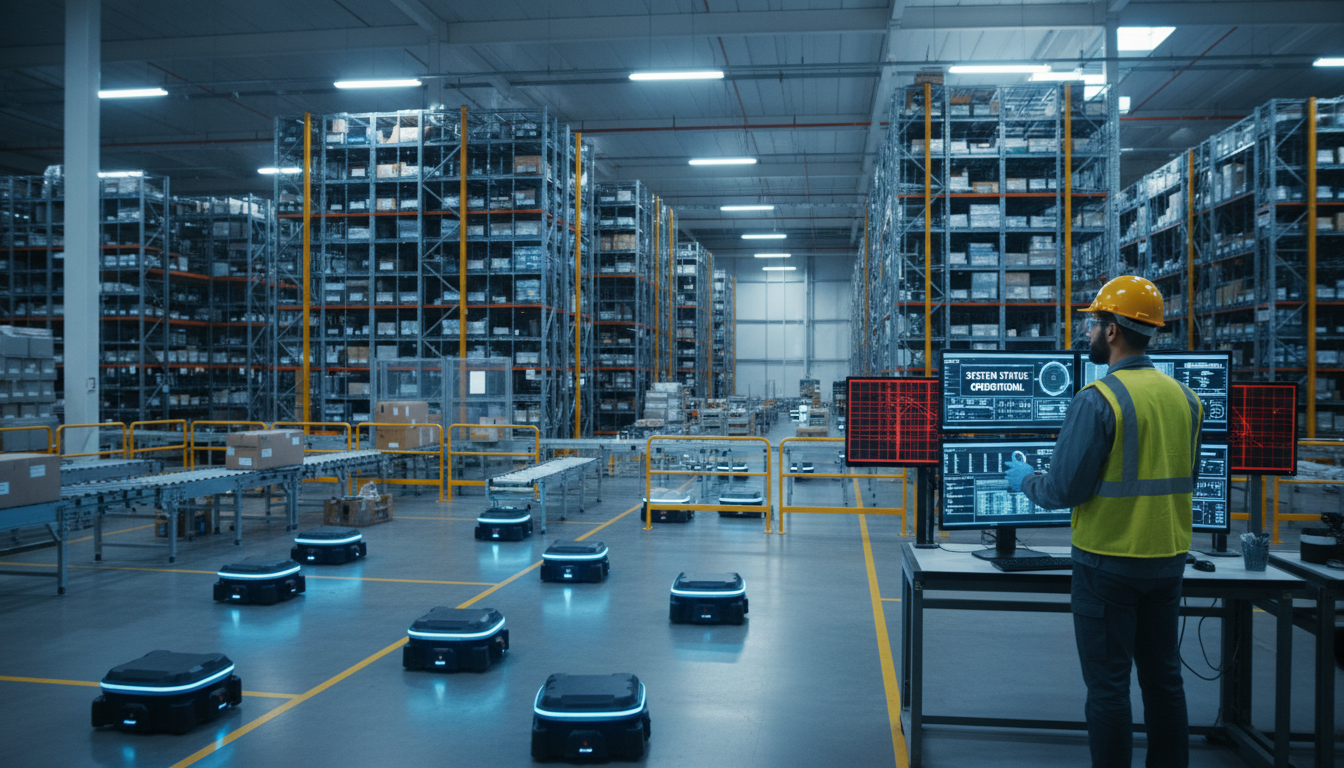
One of the primary advantages of automation is the dramatic increase in productivity. Automated systems can work around the clock, eliminating downtime and significantly reducing operational costs. Moreover, automation minimizes human error, ensuring higher accuracy in inventory management and order fulfillment.
Additionally, automated warehouses can adapt more rapidly to changes in demand. With smart systems in place, businesses can scale operations easily, allowing for greater flexibility and responsiveness to market trends.
Technologies Driving Change
Several cutting-edge technologies are driving the revolution in warehouse automation. Robotics, for instance, is playing a crucial role in streamlining tasks such as picking, packing, and sorting. Automated Guided Vehicles (AGVs) and drones are also being increasingly used for transportation and inventory management.

Artificial intelligence and machine learning are further enhancing warehouse operations by providing insights into logistics and optimizing supply chain processes. These technologies enable predictive analytics, helping businesses anticipate demand and reduce waste.
Challenges and Considerations
While automation offers many benefits, it also presents certain challenges. The initial investment in technology can be substantial, and businesses must ensure a robust return on investment. Additionally, integrating new systems with existing infrastructure requires careful planning and execution.

Another consideration is the impact on the workforce. As automation takes over repetitive tasks, there is a growing need for skilled workers to manage and maintain these advanced systems. Training and upskilling the workforce are essential to fully realize the benefits of automation.
The Future of Australian Warehouses
Looking ahead, the future of Australian warehouses is undeniably intertwined with automation. As technology continues to evolve, we can expect further innovations that will enhance efficiency and sustainability. Businesses that embrace these changes will likely lead the market, setting new standards in the logistics industry.
In conclusion, automation is not just a trend but a vital component for the future of warehousing in Australia. By leveraging advanced technologies, businesses can optimize their operations, reduce costs, and remain competitive in a rapidly changing market.