How Robots Improve Manufacturing Efficiency: A Guide for Australian Businesses


Introduction to Robotics in Manufacturing
As technology rapidly evolves, Australian businesses are increasingly turning to robotics to enhance manufacturing efficiency. By automating repetitive tasks, robots free up human workers for more complex activities, ultimately boosting productivity and cutting costs.
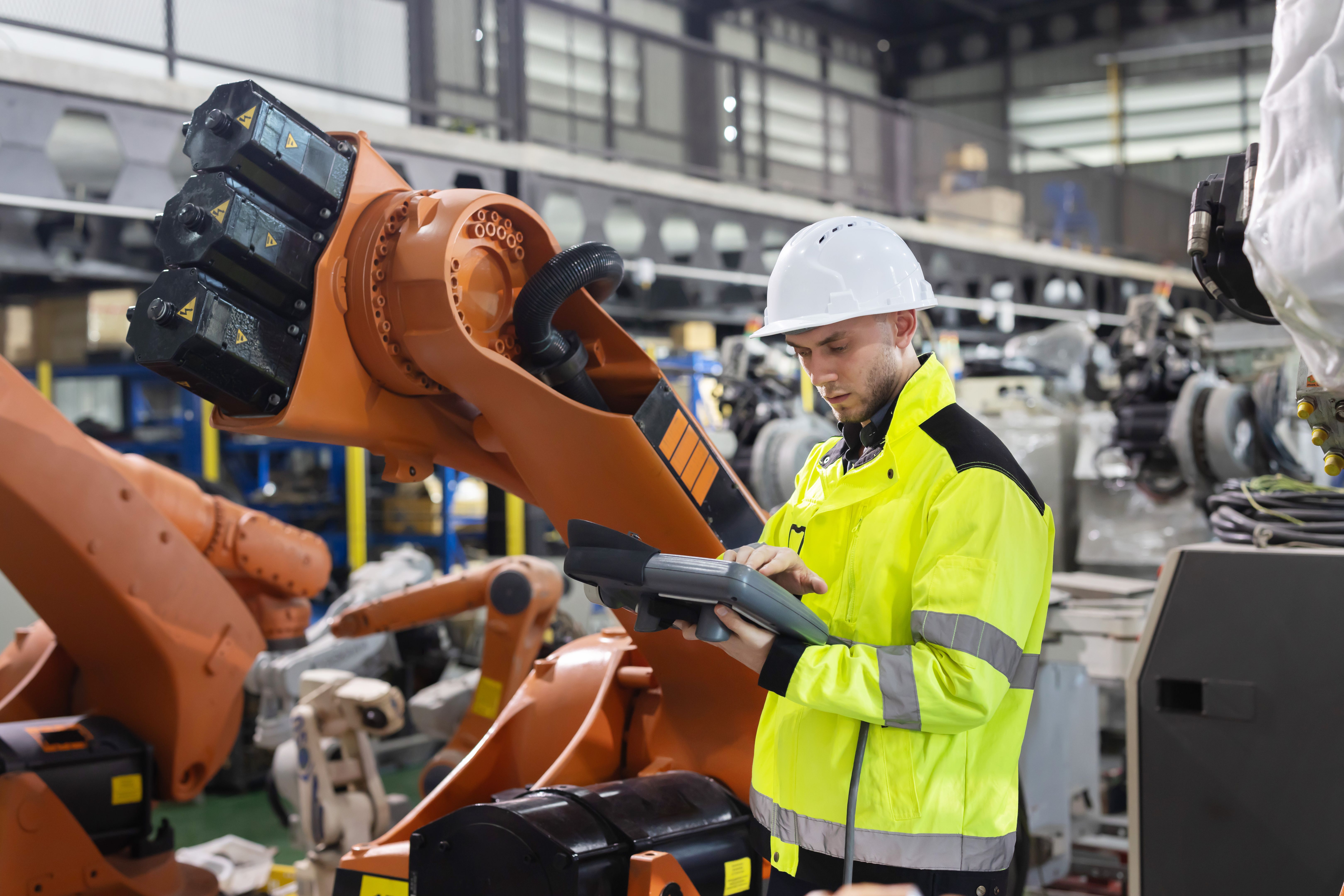
The Benefits of Automation
One of the primary advantages of using robots in manufacturing is the ability to maintain consistent quality. Robots perform tasks with precision, reducing the likelihood of human error. This consistency ensures that products meet high standards every time.
Moreover, robots can operate around the clock without fatigue, significantly increasing operational hours without incurring overtime costs. This capability allows businesses to meet growing demand without compromising quality.
Cost Efficiency
Investing in robotics may seem costly initially, but the long-term savings are substantial. Automation reduces labor costs and minimizes waste due to fewer defects. Additionally, robots require less maintenance compared to manual machinery, further decreasing operational expenses.
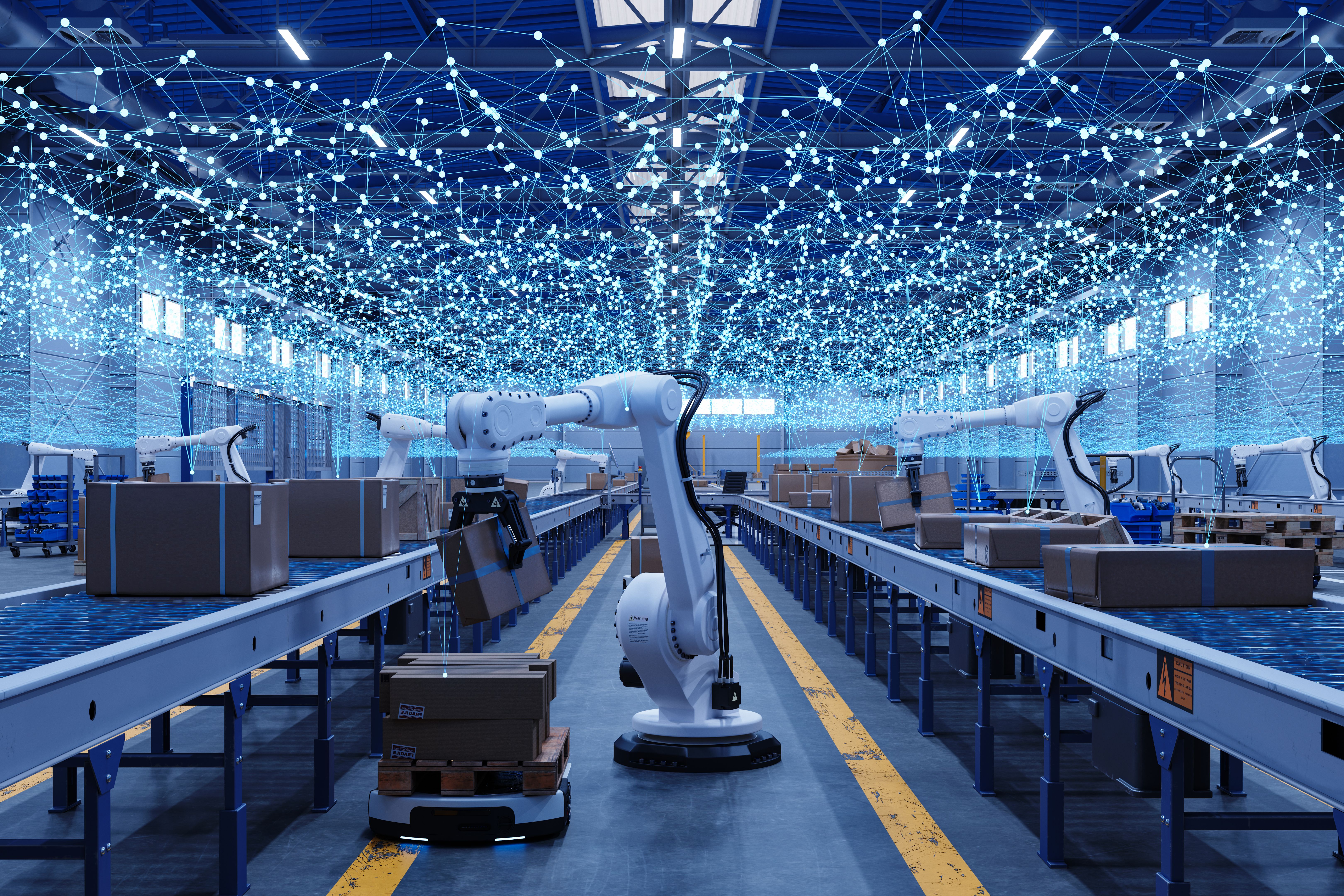
Types of Robots Used in Manufacturing
Manufacturers have a wide array of robotic options to choose from, each designed to fulfill specific roles:
- Industrial Robots: These are used for automated tasks such as welding, painting, and assembly.
- Collaborative Robots (Cobots): Designed to work alongside humans, enhancing safety and productivity.
- Mobile Robots: Used for transportation and logistics within manufacturing facilities.
Integration and Implementation
Integrating robotics into an existing manufacturing setup requires careful planning. Businesses should assess their specific needs and select robots that align with their operational goals. Partnering with experienced robotics companies can facilitate a smooth transition.

Challenges and Considerations
Despite the benefits, integrating robots into manufacturing processes can present challenges. Initial setup costs and the need for employee training are common concerns. However, these challenges can be mitigated with strategic planning and investment in workforce development.
Additionally, businesses should consider the potential impact on their workforce and implement strategies to upskill employees, ensuring they remain valuable assets in an increasingly automated environment.
The Future of Robotics in Australian Manufacturing
The future of robotics in Australian manufacturing looks promising, with advancements in artificial intelligence and machine learning paving the way for even more sophisticated automation. As these technologies evolve, businesses that embrace robotics will likely gain a competitive edge, driving innovation and growth in the industry.
Conclusion
The integration of robotics in manufacturing is no longer a futuristic concept but a present-day reality. For Australian businesses, adopting these technologies is essential to remain competitive in the global market. By understanding the benefits and challenges, businesses can effectively leverage robotics to enhance efficiency and profitability.