How Industrial Robots Are Revolutionizing Australian Manufacturing


The Rise of Industrial Robots in Australia
The manufacturing sector in Australia is undergoing a significant transformation, driven largely by the integration of industrial robots. These advanced machines are reshaping the landscape, offering new opportunities for efficiency and productivity. With the global market for industrial robots growing rapidly, Australia's manufacturing industry is poised to capitalize on these technological advancements.
Enhanced Efficiency and Productivity
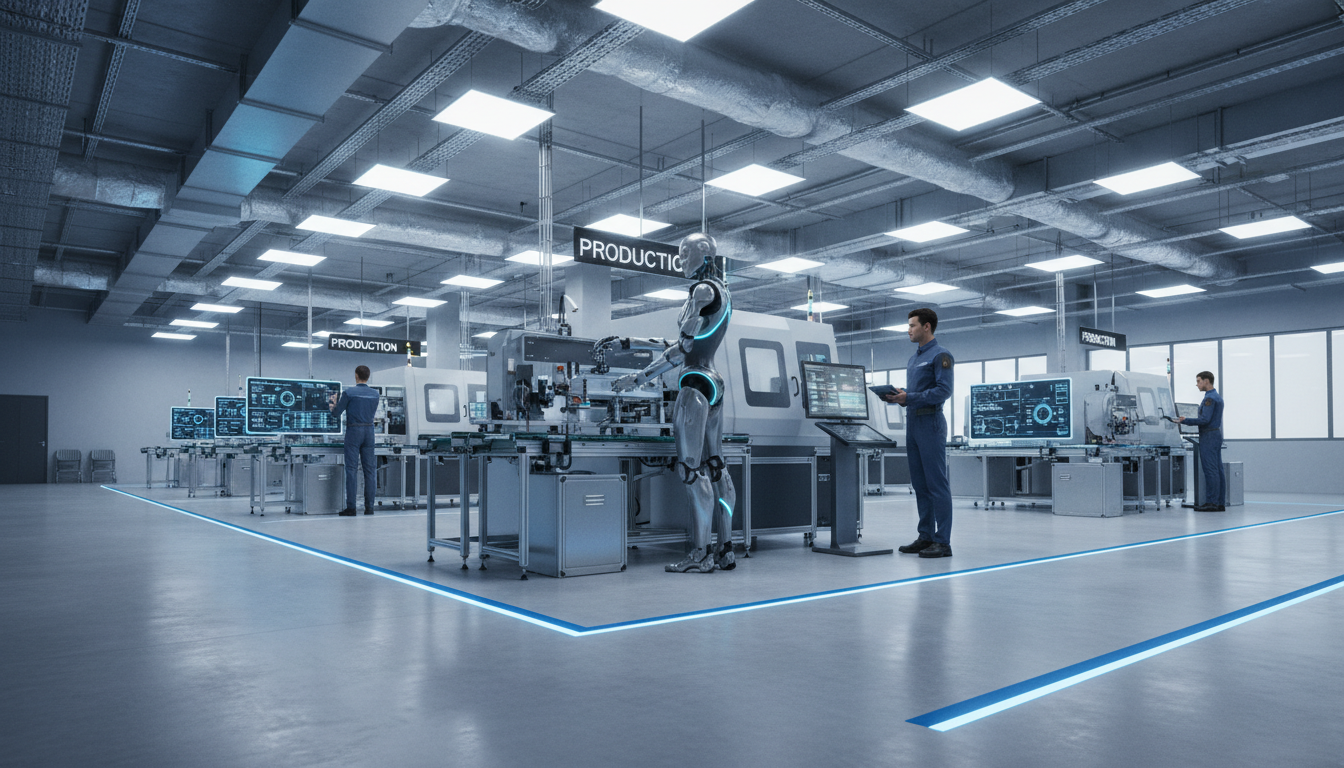
One of the most compelling advantages of industrial robots is their ability to enhance efficiency. Unlike human workers, robots can operate 24/7 without fatigue, significantly increasing output. This capability is particularly beneficial in industries such as automotive and electronics, where precision and speed are paramount. By automating repetitive tasks, companies can focus their human workforce on more strategic roles.
Moreover, industrial robots contribute to higher productivity by reducing the margin of error in production. Their precision ensures consistent quality, minimizing the need for rework and waste. This not only saves time but also reduces costs, making Australian manufacturing more competitive on a global scale.
Flexibility and Adaptability
Industrial robots offer remarkable flexibility and adaptability, which are vital in today's fast-paced market. Modern robots can be quickly reprogrammed to handle different tasks, allowing manufacturers to respond swiftly to changing demands. This adaptability is crucial for industries facing fluctuating consumer preferences and shorter product life cycles.
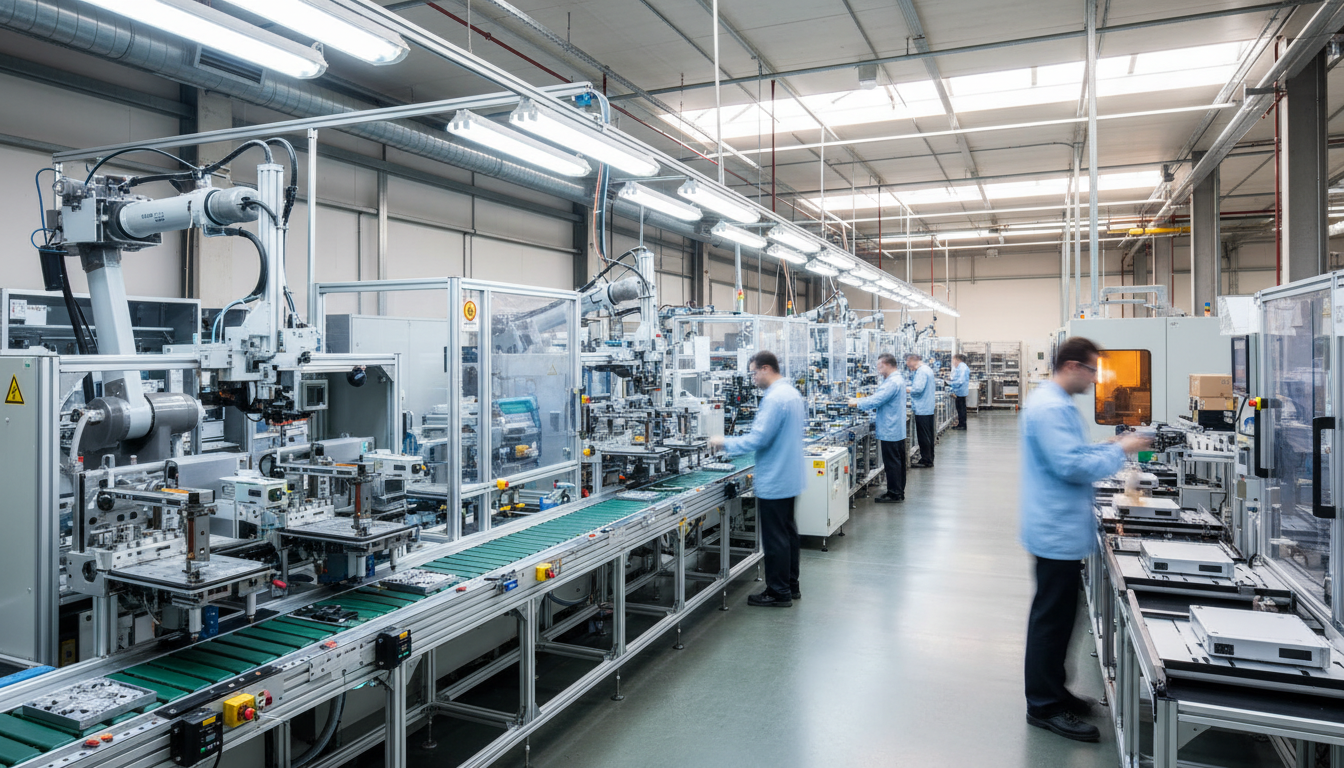
For small to medium-sized enterprises (SMEs), the ability to pivot quickly is essential. Industrial robots enable these businesses to compete with larger corporations by leveling the playing field. The initial investment in robotics can be offset by the long-term benefits of increased agility and efficiency.
Improved Workplace Safety
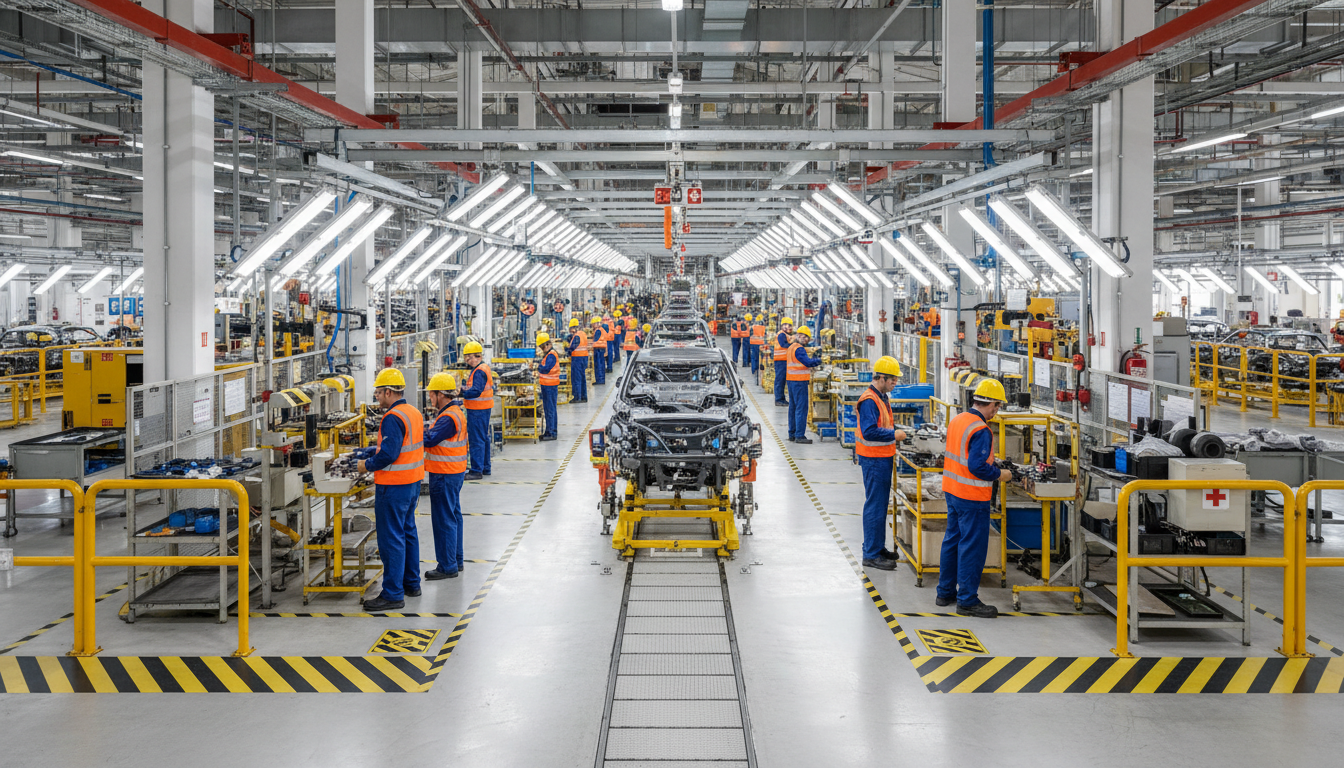
Safety is a significant concern in manufacturing environments, and industrial robots play a crucial role in improving it. By taking over hazardous tasks, robots reduce the risk of workplace accidents. This not only protects workers but also decreases downtime due to injuries, further enhancing productivity.
Additionally, robots can work in extreme conditions, such as high temperatures or toxic environments, where human presence would be dangerous. This capability expands the range of manufacturing possibilities and opens up new avenues for innovation.
Challenges and Considerations
Despite the numerous benefits, the integration of industrial robots is not without challenges. The initial cost of investment can be a barrier for some companies, particularly smaller ones. Additionally, there is a need for skilled personnel to program and maintain these machines, necessitating training and development initiatives.
There is also a broader societal concern about the impact of automation on employment. While robots take over repetitive tasks, there is potential for job displacement. However, this shift also creates opportunities for new roles in robot maintenance, programming, and oversight, emphasizing the need for workforce reskilling.
The Future of Robotics in Australian Manufacturing
As technology continues to evolve, the future of industrial robots in Australian manufacturing looks promising. Emerging technologies like artificial intelligence and machine learning are expected to further enhance robot capabilities, making them even more integral to manufacturing processes.

In conclusion, industrial robots are revolutionizing Australian manufacturing by boosting efficiency, improving safety, and offering flexibility. While challenges exist, the benefits far outweigh the drawbacks, setting the stage for a more competitive and innovative industry.