How Automation Technology Enhances Workplace Safety in Manufacturing


Introduction to Automation in Manufacturing
In recent years, automation technology has revolutionized the manufacturing industry. By integrating advanced systems and machinery, manufacturers can enhance productivity and efficiency. However, one of the most significant benefits of automation is its ability to improve workplace safety. By reducing human intervention in hazardous tasks, automation minimizes the risk of accidents and injuries.
The Role of Robotics in Safety
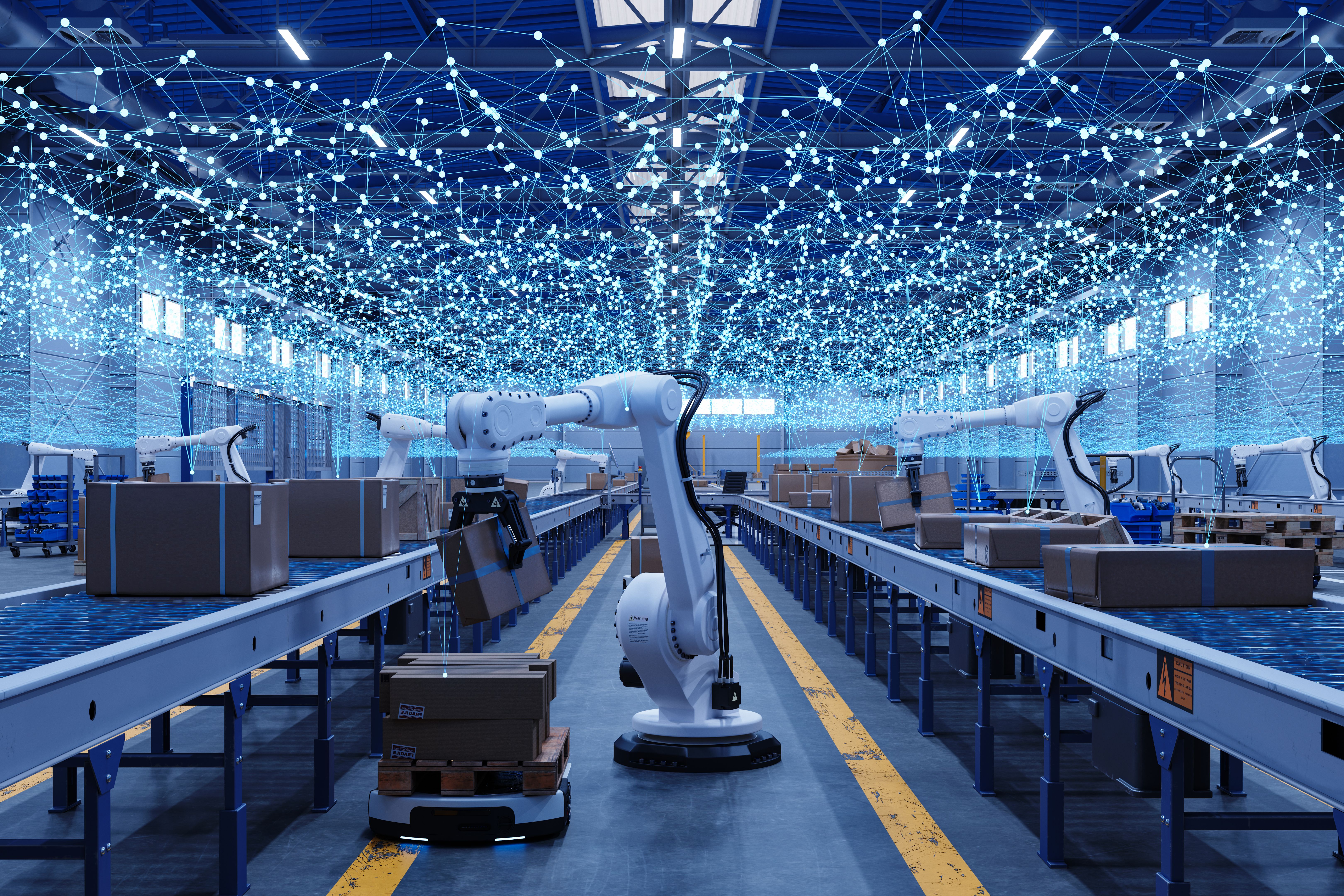
Robots have become a staple in modern manufacturing facilities. They perform tasks that are repetitive, dangerous, or require precision that humans might struggle to maintain consistently. By taking on these roles, robots reduce the likelihood of workplace injuries. For instance, tasks such as welding, painting, and heavy lifting are now often managed by robotic systems, ensuring the safety of human workers.
Specific Applications of Robotics
In addition to general safety improvements, robotics can be tailored to specific applications. For example, collaborative robots, or cobots, work alongside human employees to perform tasks that require both human judgment and robotic precision. This collaboration not only enhances efficiency but also allows for a safer working environment by handling risky operations.
Automated Safety Monitoring Systems
Another crucial aspect of automation technology is the implementation of automated safety monitoring systems. These systems use sensors and cameras to continuously monitor the workplace environment. If a potential hazard is detected, the system can alert workers or even shut down machinery to prevent accidents. This proactive approach is vital in maintaining a safe workplace.

Benefits of Real-Time Monitoring
Real-time monitoring offers several advantages. It ensures that any changes in the environment or machinery are quickly identified, allowing for immediate corrective actions. This minimizes downtime and helps maintain a safe and efficient production line. Furthermore, data collected from these systems can be analyzed to identify trends and prevent future incidents.
Training and Education Through Automation
Automation technology also plays a role in workplace safety by enhancing training and education processes. Virtual reality (VR) and augmented reality (AR) can simulate real-life scenarios, providing employees with hands-on training without exposing them to actual risks. These immersive training tools improve understanding and retention, ensuring that workers are better prepared for their roles.

Developing a Safety-First Culture
By incorporating automation technology into training programs, manufacturers can foster a safety-first culture. Employees become more aware of potential hazards and learn how to respond effectively. This cultural shift is essential in creating a proactive approach to safety, where prevention is prioritized over reaction.
Conclusion: The Future of Safety in Manufacturing
As automation technology continues to advance, its role in enhancing workplace safety will only grow. By reducing human exposure to dangerous tasks, implementing automated safety systems, and providing advanced training tools, automation helps create a safer, more efficient manufacturing environment. Embracing these technologies is crucial for manufacturers aiming to protect their workforce and improve overall productivity.