Enhancing Warehouse Efficiency with Autonomous Mobile Robots


Introduction to Autonomous Mobile Robots in Warehousing
As industries continue to evolve, the demand for more efficient and streamlined operations has never been higher. One of the most promising advancements in the logistics sector is the integration of Autonomous Mobile Robots (AMRs) into warehouse operations. These robots are transforming how warehouses function, providing solutions that enhance productivity and reduce operational costs.
Understanding Autonomous Mobile Robots
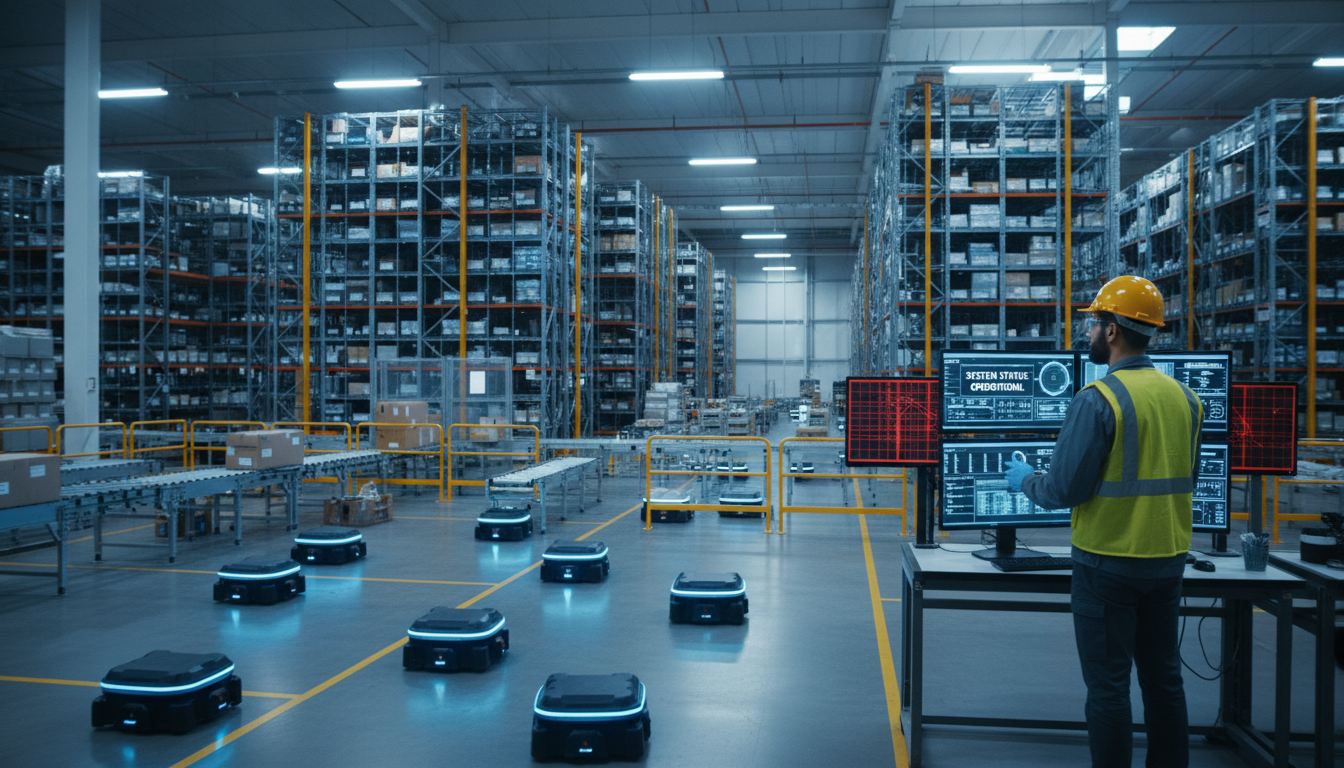
Autonomous Mobile Robots are advanced systems equipped with sensors and software to navigate environments without human intervention. Unlike traditional automated guided vehicles (AGVs), AMRs do not rely on tracks or predefined paths. They use sophisticated algorithms and onboard sensors to map their surroundings and make real-time decisions.
Key Features of AMRs
AMRs are designed with several key features that make them ideal for modern warehouses:
- Flexibility: AMRs can adapt to changes in the warehouse layout, offering a more versatile solution than traditional automation systems.
- Scalability: As your warehouse grows, additional AMRs can be integrated seamlessly without significant infrastructure changes.
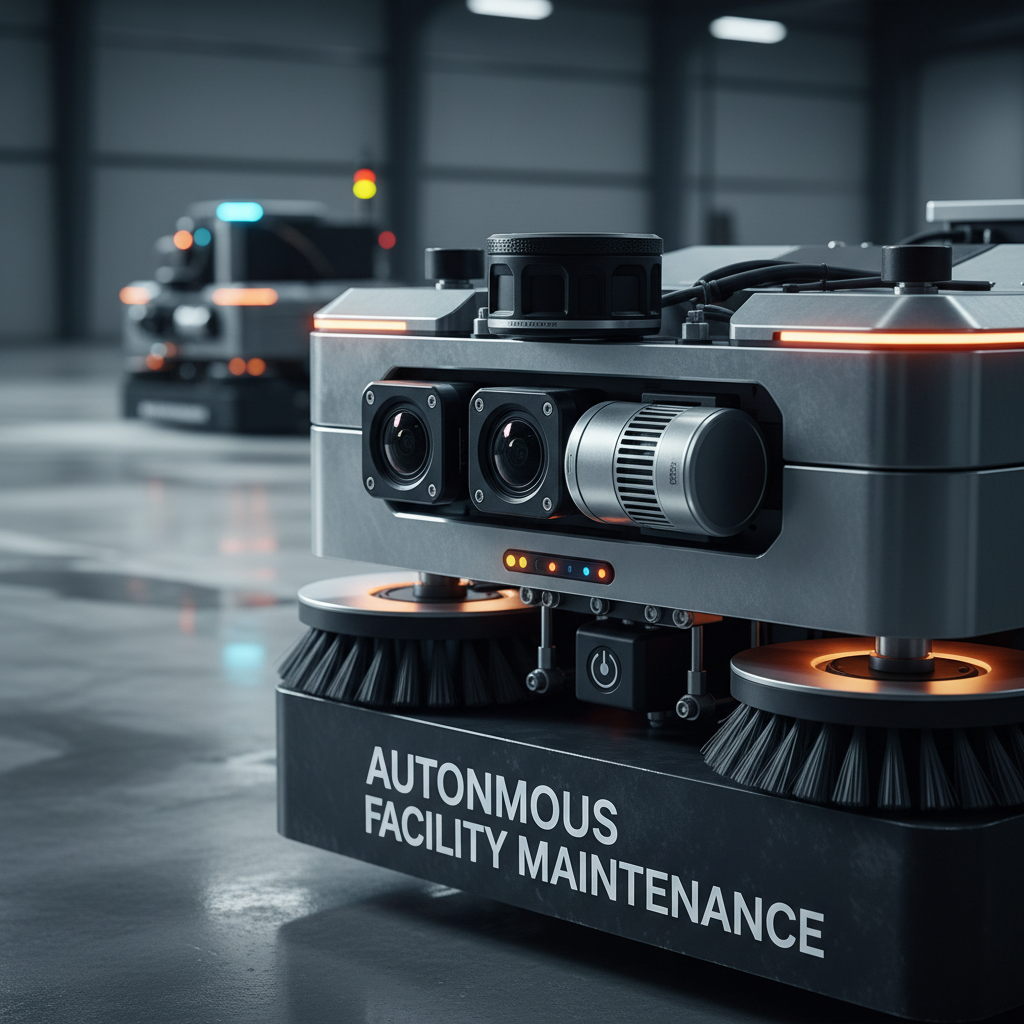
- Safety: Equipped with sensors and cameras, AMRs are capable of detecting obstacles and avoiding collisions.
Benefits of Implementing AMRs in Warehouses
The adoption of AMRs in warehouses comes with numerous benefits that can significantly enhance operational efficiency. Here are some of the key advantages:
Increased Productivity
AMRs can work around the clock without breaks, drastically increasing the throughput of warehouse operations. They handle repetitive tasks such as transporting goods, freeing up human workers to focus on more complex activities.
Cost Reduction
By minimizing the need for manual labor and reducing the likelihood of human error, AMRs help cut operational costs. They also lower the risk of workplace accidents, potentially reducing insurance and healthcare expenses.
Implementing AMRs in Your Warehouse
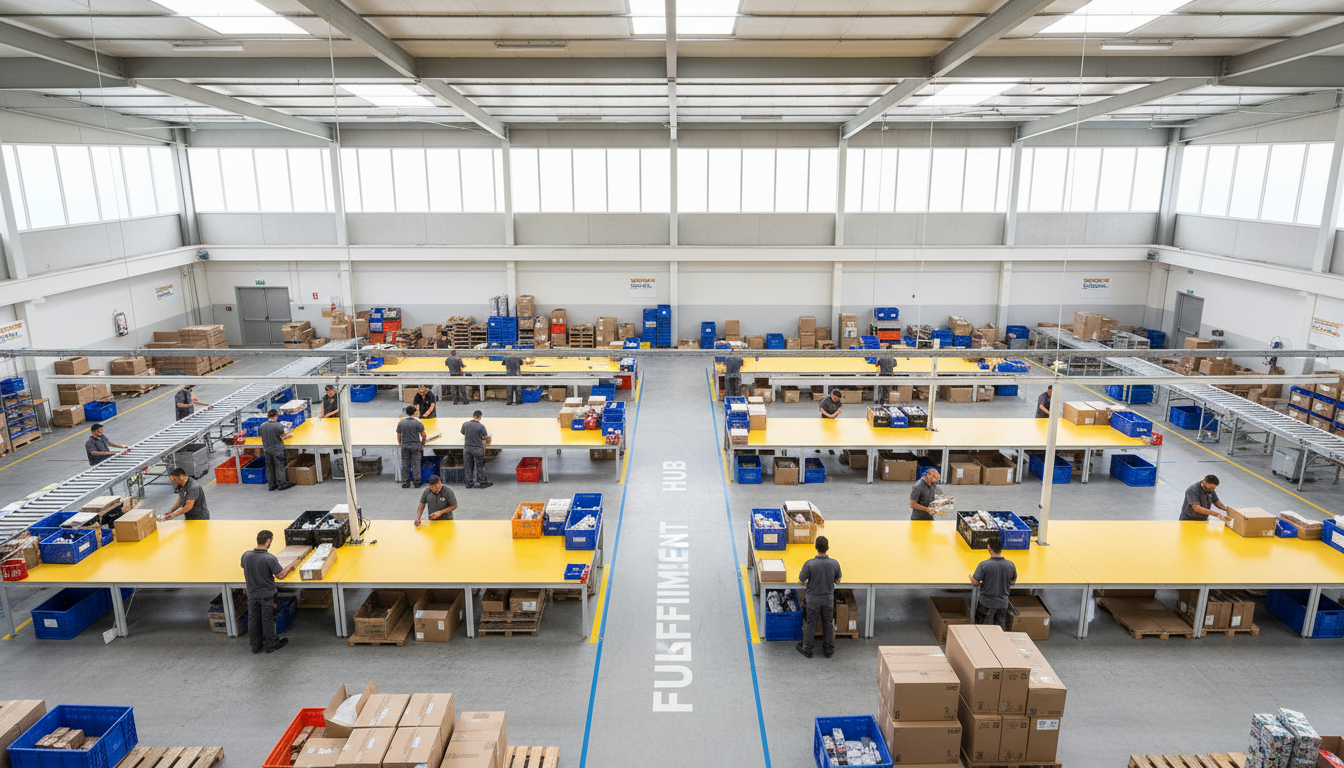
Integrating AMRs into your warehouse involves several strategic steps to ensure a smooth transition and maximum efficiency. Here's a basic guide:
- Assessment: Evaluate your current operations to identify areas where AMRs can provide the most benefit.
- Planning: Develop a comprehensive implementation plan that includes timelines, budget, and resource allocation.
- Training: Train your staff on how to work alongside AMRs and leverage their capabilities effectively.
- Monitoring: Continuously monitor the performance of AMRs and make necessary adjustments to optimize their use.
The Future of Warehousing with AMRs
The future of warehousing is undoubtedly linked to the increased adoption of AMRs. As technology advances, these robots will become even more sophisticated, offering enhanced capabilities and further streamlining operations. Companies that embrace this technology early on will likely gain a significant competitive advantage in the logistics sector.
In conclusion, Autonomous Mobile Robots are revolutionizing warehouse operations, offering a blend of efficiency, safety, and scalability. By integrating AMRs, businesses can not only meet current logistical demands but also prepare for future growth and challenges.