Embracing Sustainable Robotics: Reducing Waste and Energy Consumption


The Rise of Sustainable Robotics
As technology evolves, the integration of robotics in various industries continues to grow. However, this advancement brings challenges, particularly in terms of environmental impact. Embracing sustainable robotics offers a promising solution to reduce waste and energy consumption, aligning technological progress with ecological responsibility.
Sustainable robotics focuses on designing and implementing robots that minimize environmental harm. These robots are built with recyclable materials and optimized for energy efficiency. By reducing waste and energy use, they help mitigate the environmental footprint of technological innovation.
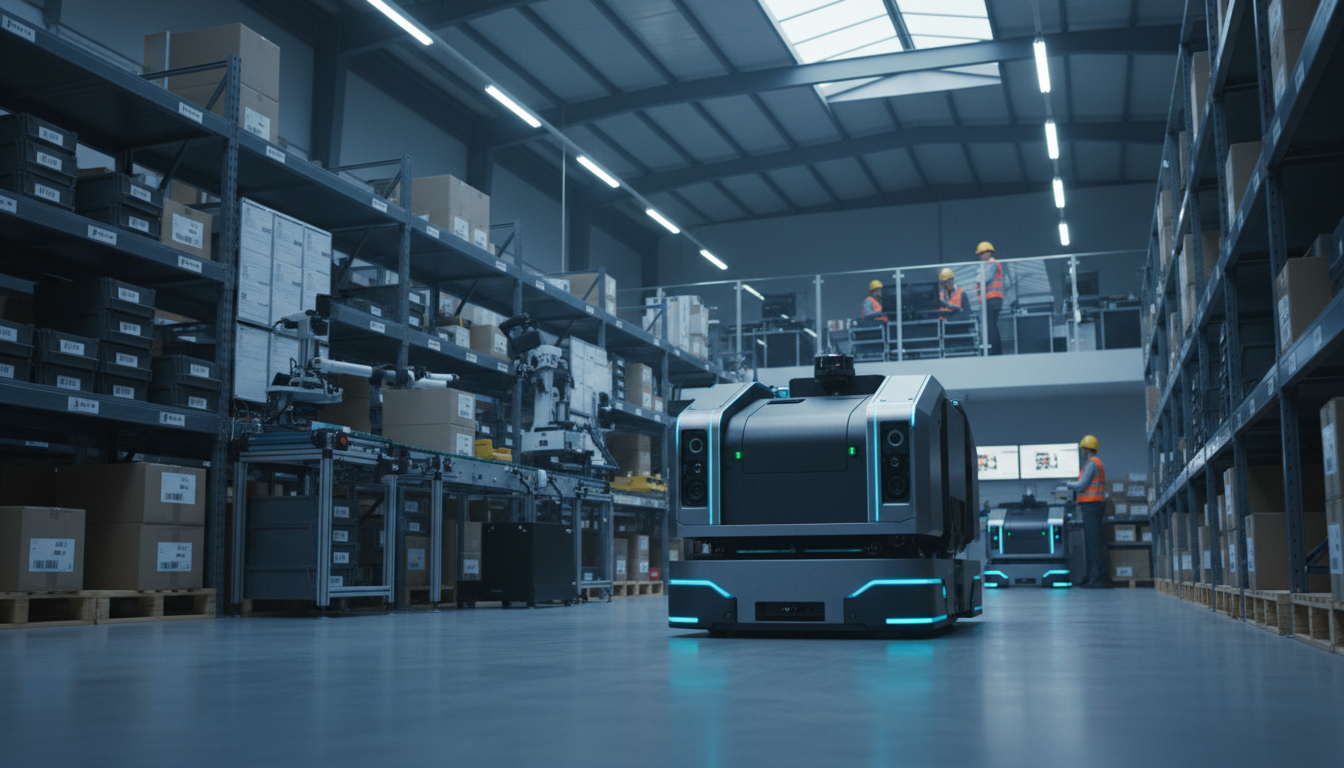
Designing Eco-Friendly Robots
The design phase is crucial for creating sustainable robots. Engineers are increasingly using materials that are recyclable or biodegradable. This approach not only reduces waste but also ensures that robots can be safely disposed of or repurposed at the end of their lifecycle.
Additionally, sustainable design involves enhancing energy efficiency. Robots are now being equipped with advanced power management systems and energy-efficient components, ensuring they consume less power during operation. This shift is essential for reducing the overall energy demand of robotic systems.

Reducing Waste Through Innovation
Innovation plays a central role in reducing waste in robotics. Companies are developing robots with modular designs, allowing for easy upgrades and repairs. This modularity means that parts can be replaced or updated without discarding the entire robot, significantly reducing electronic waste.
Moreover, the use of artificial intelligence in robotics enables predictive maintenance, which minimizes the need for unnecessary replacements and repairs. This proactive approach not only extends the lifespan of robots but also curtails waste generation.

Energy Consumption and Efficiency
Energy consumption is a critical concern in robotics. To address this, solar-powered and energy-efficient robots are becoming more prevalent. These robots operate using renewable energy sources, drastically cutting down on fossil fuel dependence.
Furthermore, advancements in battery technology are enhancing the energy storage capabilities of robots. High-capacity and longer-lasting batteries ensure that robots can perform tasks more efficiently while consuming less power.
The Role of Policy and Regulation
Government policies and regulations are instrumental in promoting sustainable robotics. By setting standards for energy efficiency and waste management, authorities can drive the industry towards greener practices. These regulations encourage companies to innovate and adopt sustainable solutions.
Incentives such as tax breaks and grants for companies that develop eco-friendly robotics technology can further stimulate progress in this field. Such policies not only support the environment but also foster economic growth through innovation.

Future Prospects of Sustainable Robotics
The future of robotics is undoubtedly intertwined with sustainability. As awareness grows, more organizations are committing to eco-friendly practices. This shift is crucial for ensuring that technological advancement does not come at the expense of the planet.
By embracing sustainable robotics, industries can significantly reduce their environmental impact while maintaining productivity and efficiency. The continued development of green technology holds the promise of a more sustainable and prosperous future for all.