Collaborative Robots: Enhancing Workplace Safety and Efficiency


Introduction to Collaborative Robots
In today's rapidly evolving industrial landscape, collaborative robots, or cobots, are becoming integral to enhancing workplace safety and efficiency. Unlike traditional industrial robots, cobots are designed to work alongside human workers, offering flexibility and adaptability in various settings.

Enhancing Workplace Safety
One of the primary advantages of using cobots is their ability to significantly improve workplace safety. Equipped with advanced sensors and AI-driven systems, cobots can detect human presence and adjust their operations accordingly, minimizing the risk of accidents. This intelligent interaction ensures that human workers are protected, especially in environments that involve heavy machinery or hazardous materials.
Additionally, cobots can handle repetitive or dangerous tasks, reducing the likelihood of human injuries. By taking over such tasks, they allow human workers to focus on more complex and less risky activities.
Safety Features of Cobots
Cobots come with a range of built-in safety features designed to prevent accidents and injuries. Some of these features include:
- Force Limiting: Cobots automatically stop when they encounter an obstruction.
- Speed and Separation Monitoring: Cobots can adjust their speed based on proximity to humans.
- Emergency Stop Functions: Quick and easy access to emergency stop buttons ensures immediate cessation of operations.
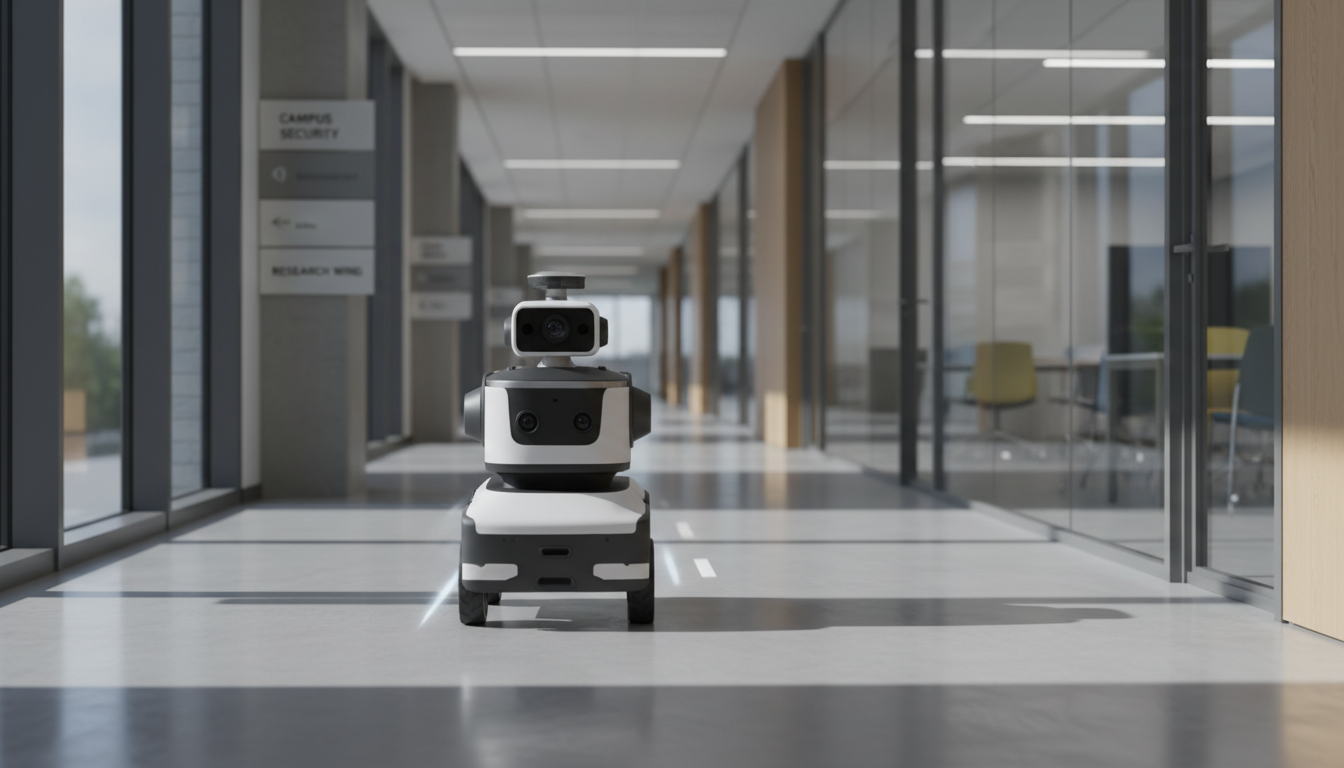
Boosting Efficiency
Beyond safety, cobots are also instrumental in boosting operational efficiency. Their ability to work tirelessly without breaks makes them ideal for tasks that require precision and consistency. This reliability ensures that production lines can run smoothly, reducing downtime and increasing output.
Cobots are also highly flexible, capable of being reprogrammed for various tasks with minimal downtime. This adaptability means businesses can quickly pivot to new projects or scale operations without significant delays.
Applications in Different Industries
Cobots are making their mark across multiple sectors, from manufacturing to healthcare. For instance, in the automotive industry, they assist in assembling intricate components, while in the food industry, they handle packaging and quality control. This versatility makes them a valuable asset in any setting where precision and efficiency are paramount.

The Future of Collaborative Robotics
As technology advances, the role of cobots in the workforce is expected to expand. Future developments may focus on enhancing their AI capabilities, allowing for even more seamless integration with human workers. The potential for cobots to learn and adapt in real-time could revolutionize industries, making them more resilient and responsive to changes.
Moreover, as more businesses recognize the benefits of cobots, their adoption is likely to increase, leading to more innovations and improvements in workplace safety and efficiency.
Conclusion
Collaborative robots represent a significant advancement in industrial automation, offering a unique combination of safety and efficiency. As they continue to evolve, cobots will undoubtedly play a crucial role in shaping the future of work, ensuring safer and more productive environments for all.