Choosing the Right Robotic Solution: A Buyer's Guide for Australian Businesses


Understanding Your Business Needs
Choosing the right robotic solution for your business begins with understanding your specific needs. Different industries and operations require distinct types of robotic systems. Whether you're in manufacturing, logistics, or service, identifying the tasks you want to automate will guide your decision-making process. Consider what you aim to achieve with automation, such as increased efficiency, reduced labor costs, or improved safety.
Evaluating Types of Robotic Solutions
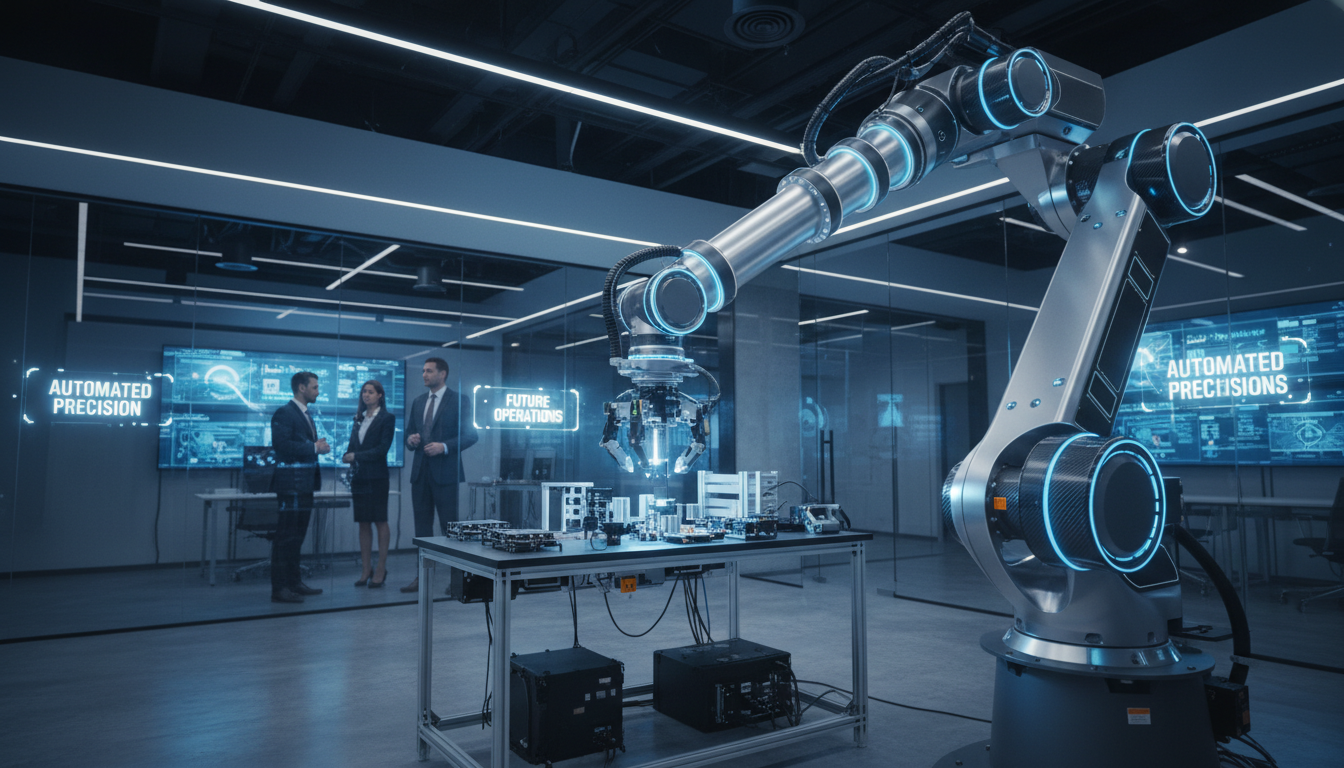
Once you've identified your needs, the next step is to evaluate the types of robotic solutions available. Common options include industrial robots, collaborative robots (cobots), and autonomous mobile robots (AMRs). Each type has its strengths and limitations. For instance, industrial robots are ideal for heavy-duty tasks, while cobots are designed for human-robot collaboration in shared spaces.
Key Features to Consider
When selecting a robotic solution, consider key features such as flexibility, scalability, and integration capabilities. Flexibility allows the robot to adapt to different tasks, while scalability ensures your solution can grow with your business. Additionally, seamless integration with existing systems and processes is crucial for maximizing efficiency.
Understanding Costs and ROI
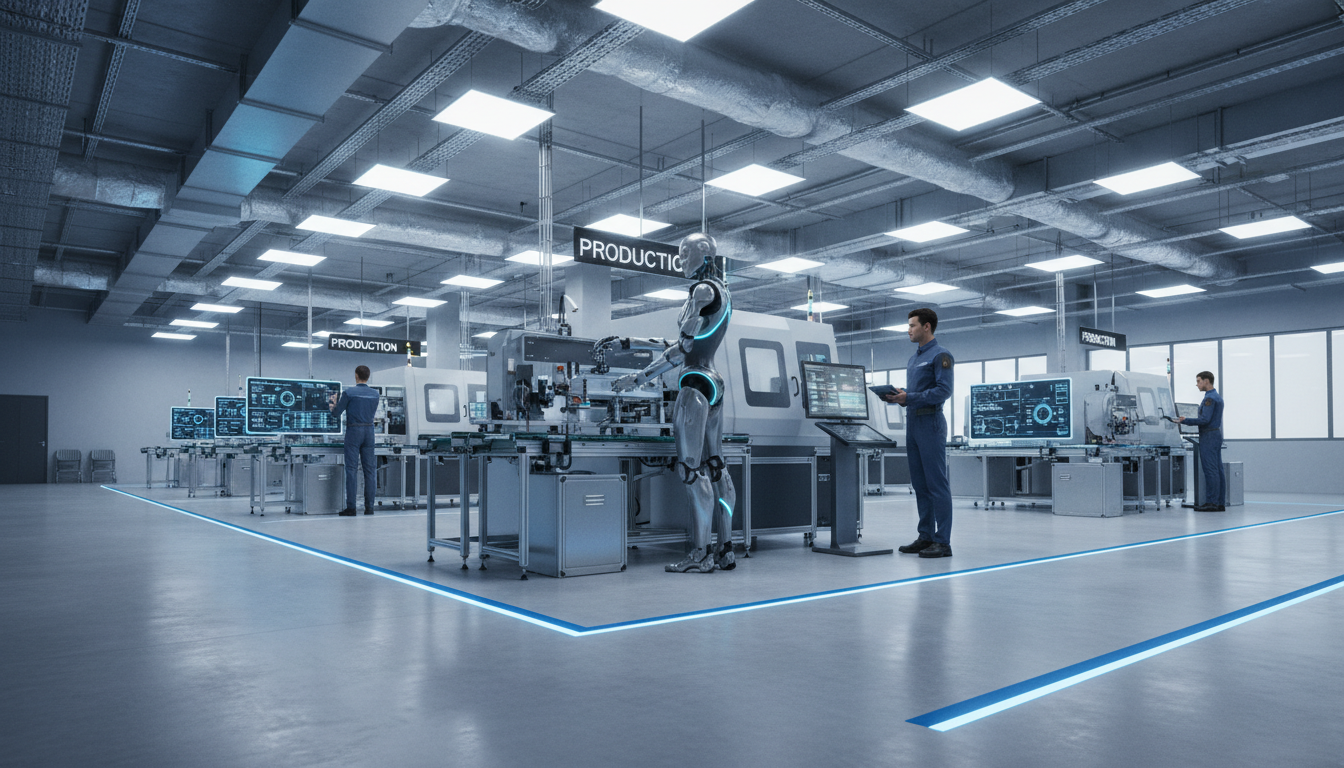
Cost is a significant factor in selecting a robotic solution. It's important to look beyond the initial purchase price and consider the total cost of ownership, which includes maintenance, training, and potential upgrades. Calculating the return on investment (ROI) can help justify the expenditure, showing how long it will take for the savings and benefits to outweigh the costs.
Supplier Evaluation and Support
Choosing the right supplier is as important as selecting the right robot. Look for suppliers with a strong reputation, quality products, and robust support services. Evaluate their customer service, warranty options, and after-sales support. A reliable supplier will provide assistance throughout the robot's lifecycle, ensuring smooth operation and quick resolution of any issues.
Compliance and Safety Considerations
Compliance with local and international safety standards is vital when implementing robotic solutions. Ensure that the robots meet all necessary certifications and regulations. Safety features, such as sensors and emergency stop functions, are essential to protect both human workers and equipment. Regular safety audits and training can further enhance workplace safety.
Trial and Pilot Programs
Before committing to a full-scale purchase, consider conducting a trial or pilot program. This allows your business to test the robot's capabilities and compatibility with your operations. A pilot program can provide valuable insights, helping you fine-tune the solution to better meet your needs and minimize risks.
Future-Proofing Your Investment
Technology is constantly evolving, and it's important to future-proof your investment in robotics. Choose solutions that offer easy upgrades and adaptability to new technologies. Keeping an eye on industry trends and advancements will ensure your business remains competitive and agile in the face of technological change.