Case Study: Transforming a Melbourne Warehouse with Intelligent Automation


Introduction
In the heart of Melbourne, a significant transformation took place in an aging warehouse. This transformation was driven by the need to increase efficiency and productivity through the implementation of intelligent automation. Let's delve into how this project unfolded and the remarkable results it achieved.
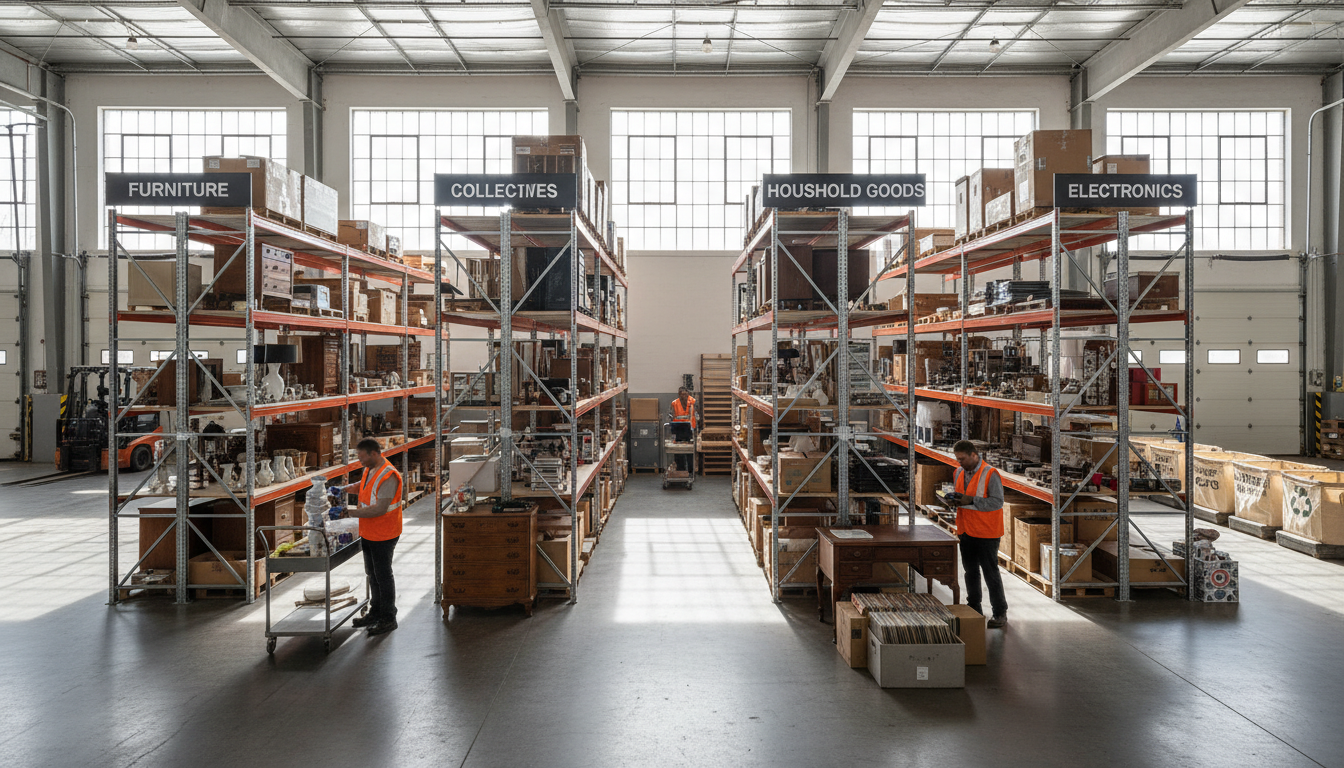
Understanding the Challenges
The warehouse faced several challenges, including outdated systems, inefficient workflows, and rising operational costs. These issues were impacting productivity and profitability. The management realized that without a strategic overhaul, staying competitive would be increasingly difficult.
Identifying Key Areas for Improvement
To tackle these challenges, the first step was to identify key areas that required enhancement. These included inventory management, order processing, and logistics coordination. The goal was to streamline these processes to reduce errors and improve overall efficiency.
The Role of Intelligent Automation
Intelligent automation emerged as the ideal solution. By leveraging advanced technologies such as AI and machine learning, the warehouse could automate repetitive tasks, optimize inventory levels, and enhance decision-making processes. This approach promised to revolutionize operations.

Implementing the Solution
The implementation process began with a comprehensive assessment of existing systems. A tailored automation strategy was developed, focusing on integrating new technologies with minimal disruption to current operations. Training sessions were conducted to ensure a smooth transition for the workforce.
Outcomes and Benefits
The transformation delivered numerous benefits. Key improvements included:
- Increased Efficiency: Automation reduced manual errors and sped up processes.
- Cost Savings: Operational costs were significantly reduced through optimized resource allocation.
- Scalability: The warehouse could now handle increased demand without additional strain.
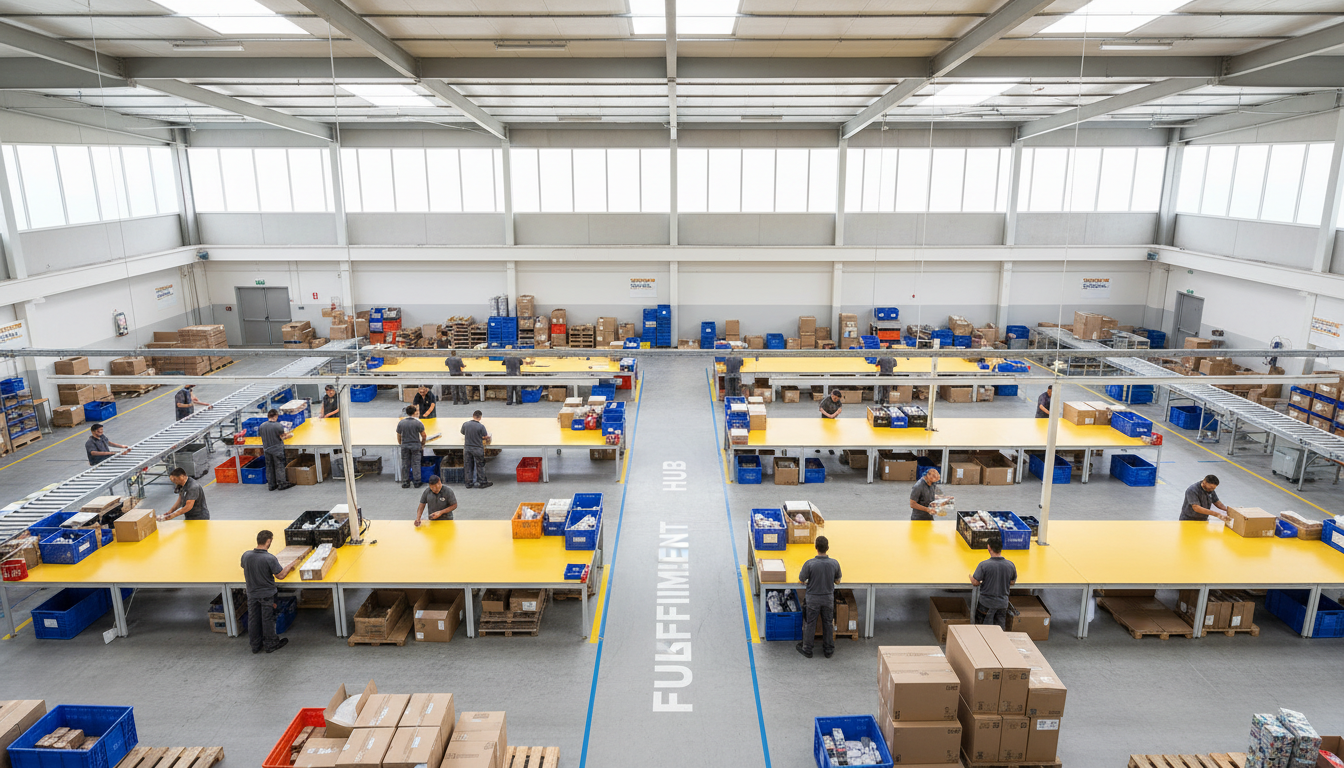
Employee Adaptation and Growth
One of the remarkable aspects of this transformation was the positive impact on the workforce. Employees adapted quickly to new technologies, and their roles evolved to focus on more strategic tasks. This shift not only enhanced job satisfaction but also contributed to personal and professional growth.
Conclusion
The Melbourne warehouse's journey from traditional operations to a fully automated powerhouse is a testament to the power of intelligent automation. This case study serves as a compelling example for businesses worldwide, illustrating that with the right strategy and technology, transformation is achievable.
If you're considering a similar transformation, remember that the key lies in careful planning, employee engagement, and choosing the right technological partners. The future of warehousing is here, and it’s automated.