Case Study: Transforming a Melbourne Business with Precision Agriculture Robotics


Introduction to Precision Agriculture Robotics
In recent years, the agricultural industry has been revolutionized by the advent of precision agriculture robotics. These technological advancements have allowed farmers to optimize their operations and increase productivity. In this case study, we explore how a Melbourne-based business transformed its agricultural practices using precision agriculture robotics.
Precision agriculture robotics involves the use of automated machines and drones to monitor and manage farming tasks with exceptional accuracy. This technology enables farmers to apply resources more efficiently, resulting in higher yields and reduced costs.

The Challenge Faced by the Melbourne Business
The Melbourne business, primarily focused on crop production, was struggling with inconsistent yields and rising operational costs. Traditional farming methods were not providing the desired efficiency, leading to resource wastage and financial strain.
The farm's management realized the need for a strategic overhaul to remain competitive. This is where precision agriculture robotics came into play, offering a potential solution to optimize their farming processes.
Key Objectives
The business set the following objectives to achieve through the adoption of precision agriculture robotics:
- Reduce resource wastage
- Enhance crop yield
- Lower operational costs
- Improve data accuracy for better decision-making
Implementing Precision Agriculture Robotics
The transition to precision agriculture began with the integration of robotic drones and automated machinery. These technologies were deployed to monitor crop health, soil conditions, and weather patterns. This real-time data enabled precise application of water, fertilizers, and pesticides.
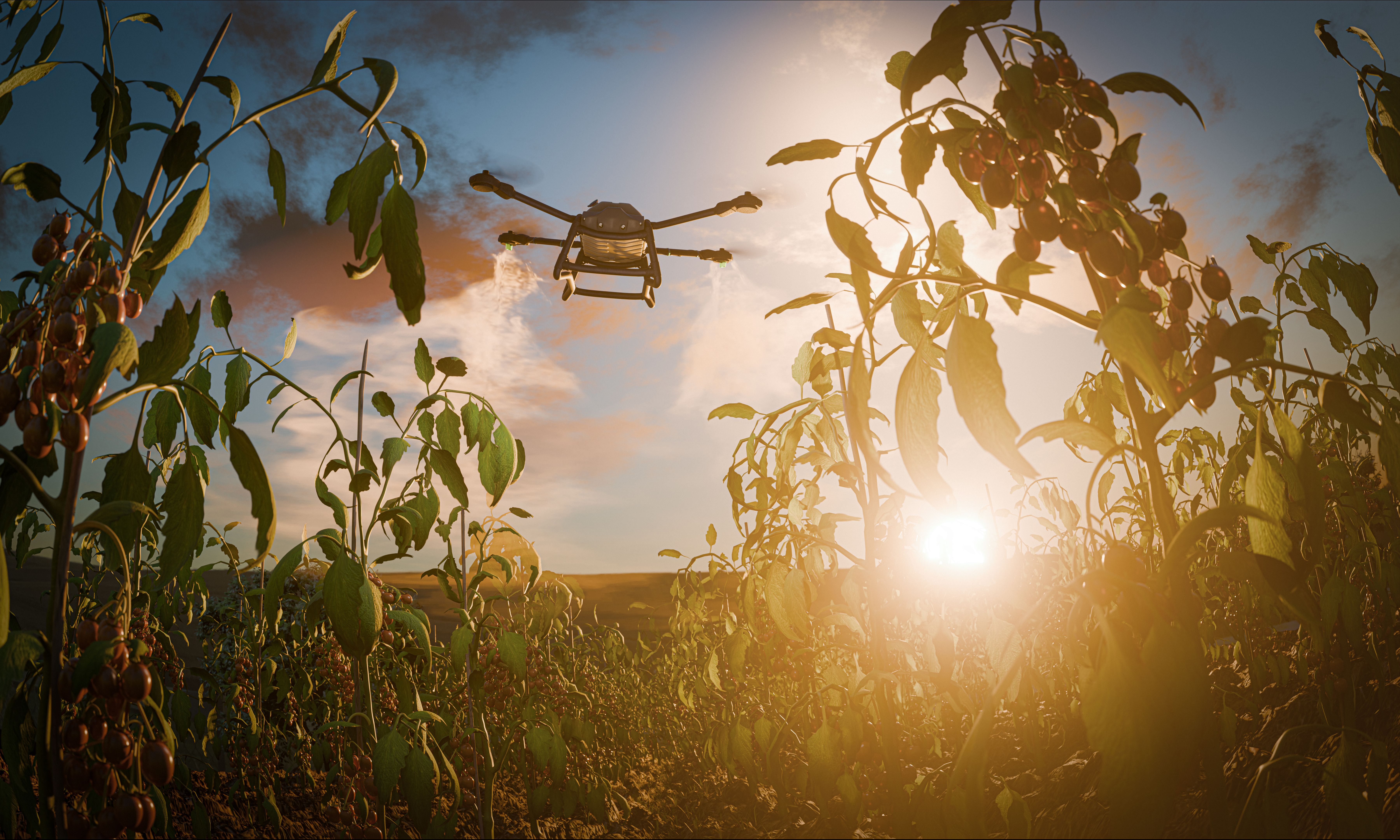
Additionally, the business invested in autonomous tractors equipped with GPS and sensors to assist in planting and harvesting. These machines ensured that each task was performed with maximum efficiency and minimal human intervention.
Training and Adaptation
To ensure a smooth transition, the farm's staff underwent extensive training on how to operate and maintain the new technology. This included understanding data analytics, machinery operation, and troubleshooting techniques.
Results and Benefits
The adoption of precision agriculture robotics yielded remarkable results for the Melbourne business. Within the first year, the farm saw a significant increase in crop yield and a noticeable reduction in resource usage. This translated to substantial cost savings and improved profitability.

Furthermore, the technology provided valuable insights through data analytics, enabling better strategic planning and decision-making. The farm's management could now predict and mitigate potential issues, ensuring consistent productivity.
Environmental Impact
In addition to economic benefits, the environmental impact was also positive. The precise application of resources led to reduced chemical runoff and soil degradation, promoting sustainable farming practices.
Conclusion
The case of the Melbourne business highlights the transformative power of precision agriculture robotics. By embracing this technology, the farm not only enhanced its operational efficiency but also contributed positively to the environment.
This case study serves as an inspiration for other agricultural businesses considering the leap into precision agriculture. With the right strategy and execution, the benefits are substantial and far-reaching.