Automating Repetitive Manufacturing Processes: An Expert's Guide


Understanding the Need for Automation
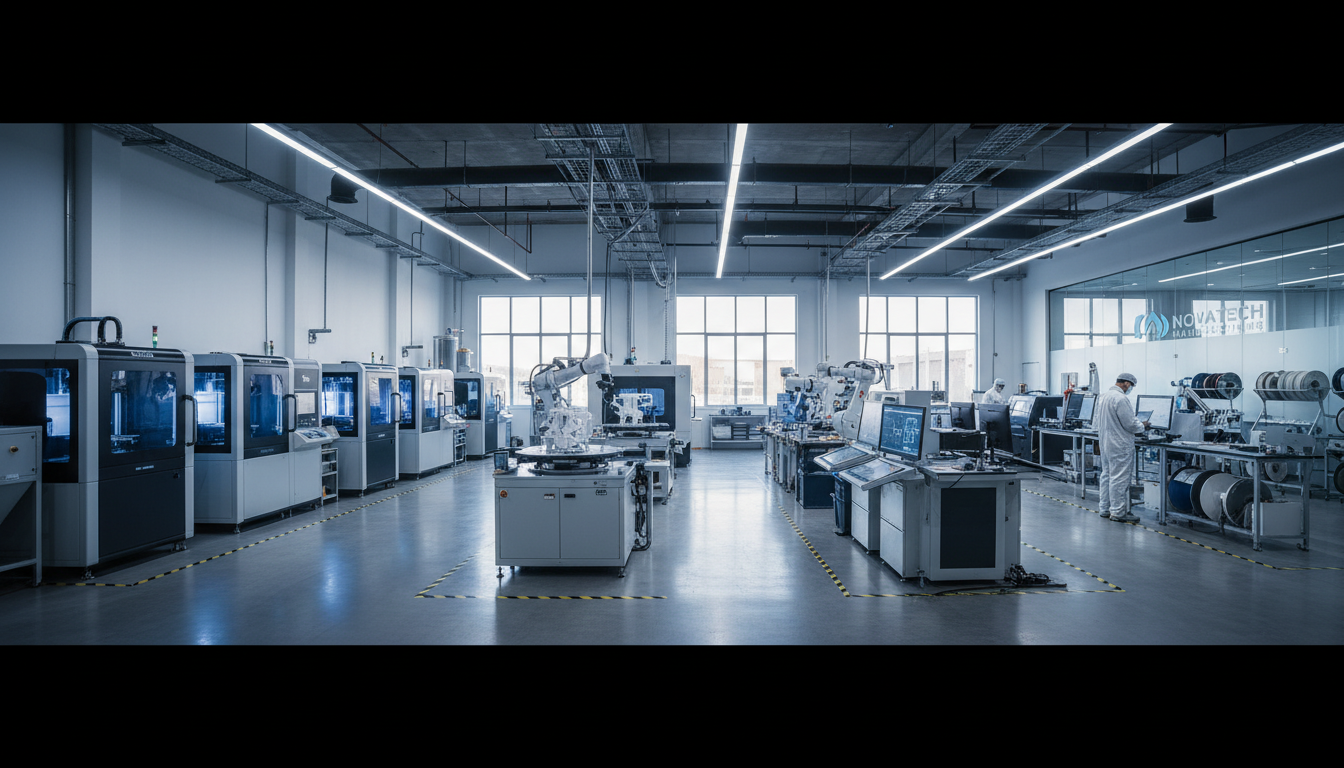
In today's fast-paced manufacturing environment, the demand for efficiency and precision is at an all-time high. Automating repetitive manufacturing processes can significantly enhance productivity, reduce errors, and cut costs. By deploying automation, manufacturers can focus on more strategic tasks, leaving the repetitive ones to machines.
Automation doesn't just streamline operations; it also ensures consistency and quality. With the right technology, manufacturers can maintain high standards without the constant oversight of human operators.
Identifying Processes for Automation
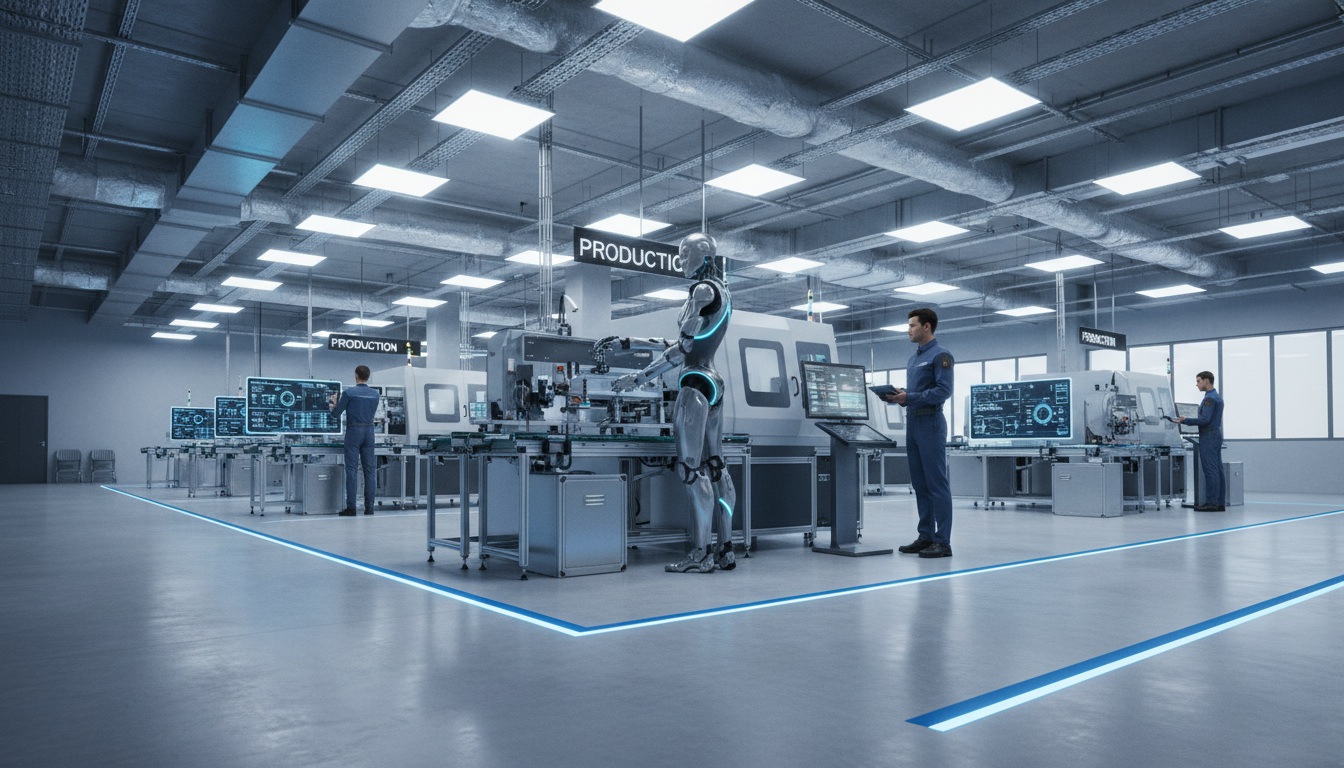
Before implementing automation, it's crucial to identify which processes would benefit the most. Typically, tasks that are repetitive, labor-intensive, and prone to human error are ideal candidates. Examples include assembly line operations, packaging, and quality control checks.
Assessing these tasks involves analyzing the time, cost, and resources currently being used. Data-driven insights can guide decision-makers in selecting the right processes to automate, ensuring maximum return on investment.
Key Criteria for Selection
- Frequency of the task
- Complexity and variability
- Impact on overall production
- Potential cost savings
Choosing the Right Automation Technology
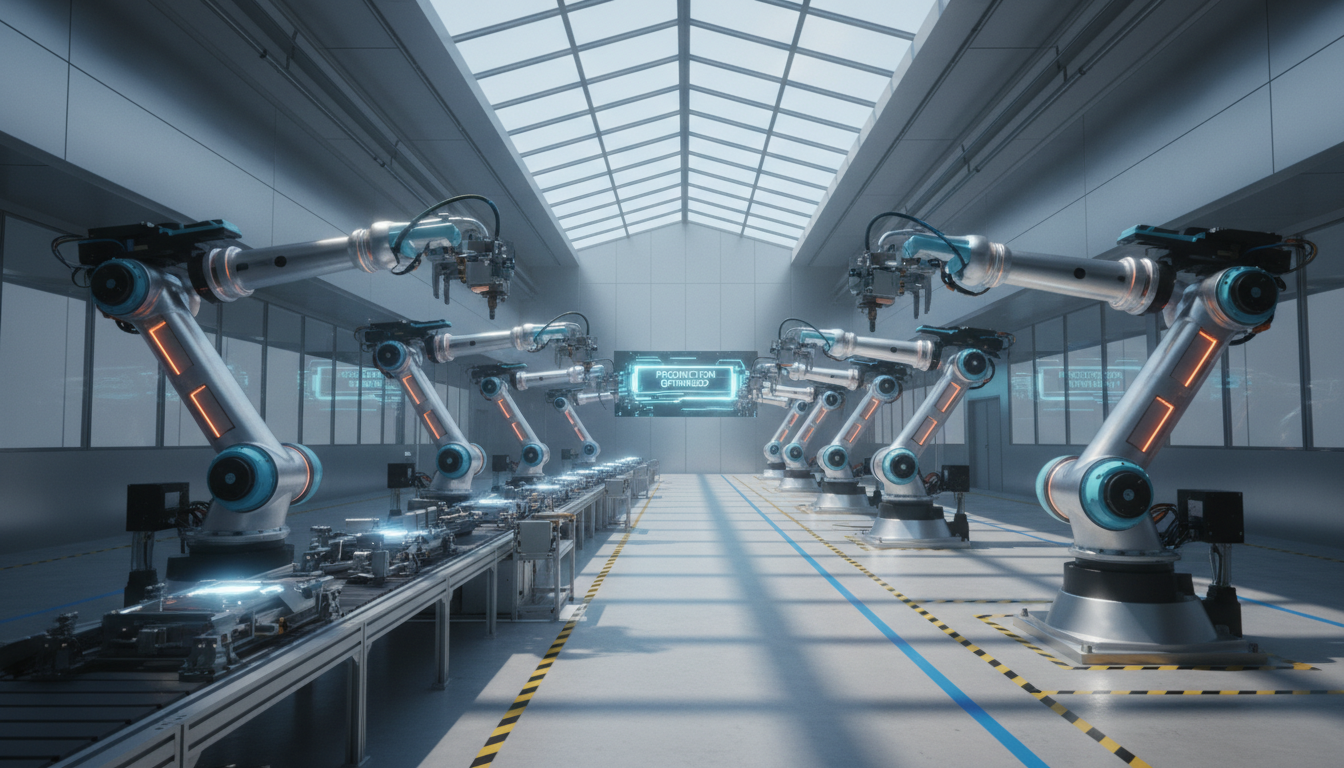
Once the processes are identified, the next step is selecting the appropriate technology. Options range from robotic arms and conveyor systems to sophisticated AI-driven software. The choice depends on the specific needs and budget of the manufacturing operation.
Investing in the right technology requires careful consideration of the current infrastructure and future scalability. It’s also essential to ensure that the technology integrates seamlessly with existing systems.
Factors to Consider
- Compatibility with current systems
- Ease of use and maintenance
- Vendor support and training options
Implementing and Optimizing Automation
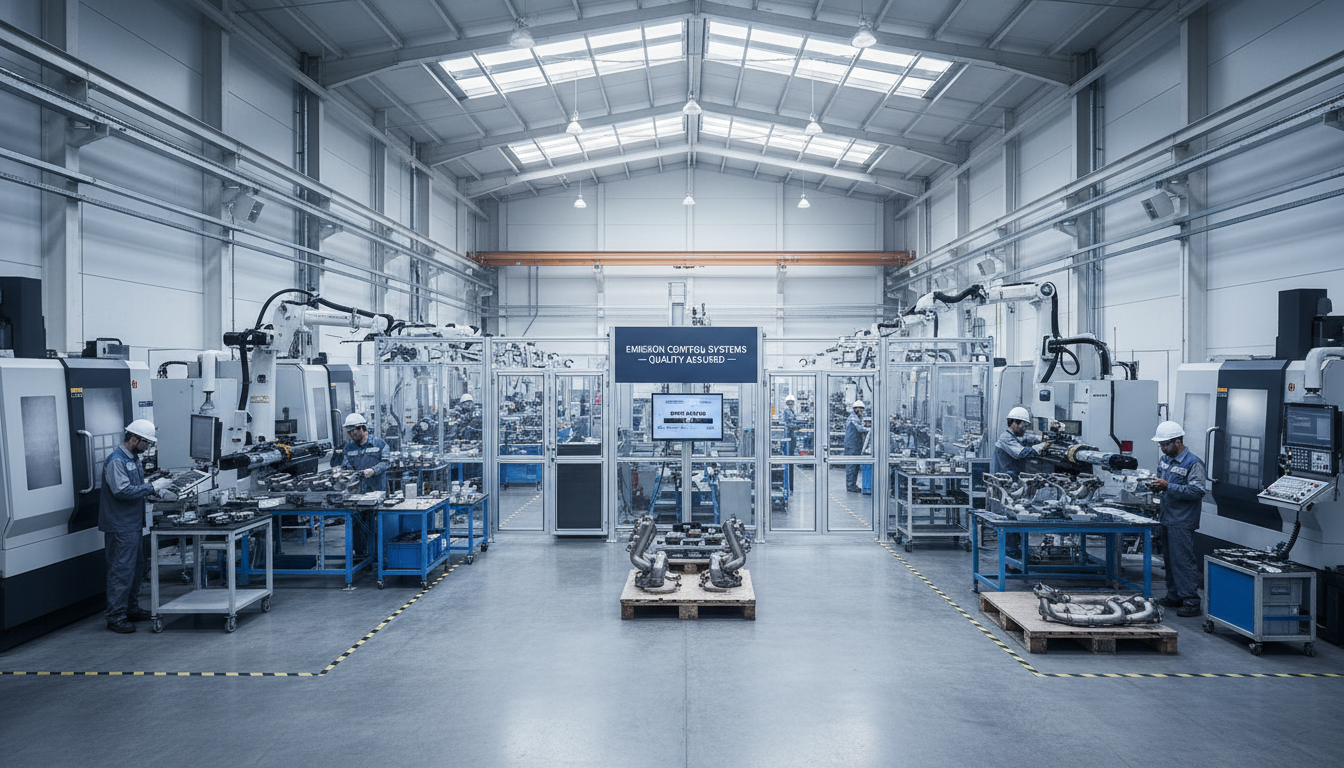
Implementation is a crucial phase where planning and execution come together. It involves setting up the technology, training staff, and fine-tuning processes to work efficiently. Continuous monitoring is vital to address any issues promptly and optimize performance.
Feedback from employees who interact with automated systems can provide valuable insights for further improvements. Regular assessments ensure that the automation aligns with business goals and adapts to any changes in production demands.
Future Trends in Manufacturing Automation
The future of manufacturing automation looks promising with advancements in AI, machine learning, and IoT. These technologies offer enhanced capabilities such as predictive maintenance, real-time analytics, and smart decision-making.
Staying updated with these trends can help manufacturers remain competitive and responsive to market changes. Embracing innovation is key to thriving in an increasingly automated world.