A Guide to Implementing Precision Agriculture with Robotics


Understanding Precision Agriculture
Precision agriculture is revolutionizing the farming industry by utilizing technology to enhance crop yields and resource efficiency. By implementing precision agriculture, farmers can monitor, measure, and respond to inter and intra-field variability in crops, leading to more efficient farming practices.
The core idea is to ensure that crops and soil receive exactly what they need for optimum health and productivity. This approach not only boosts yield but also reduces waste and environmental impact.
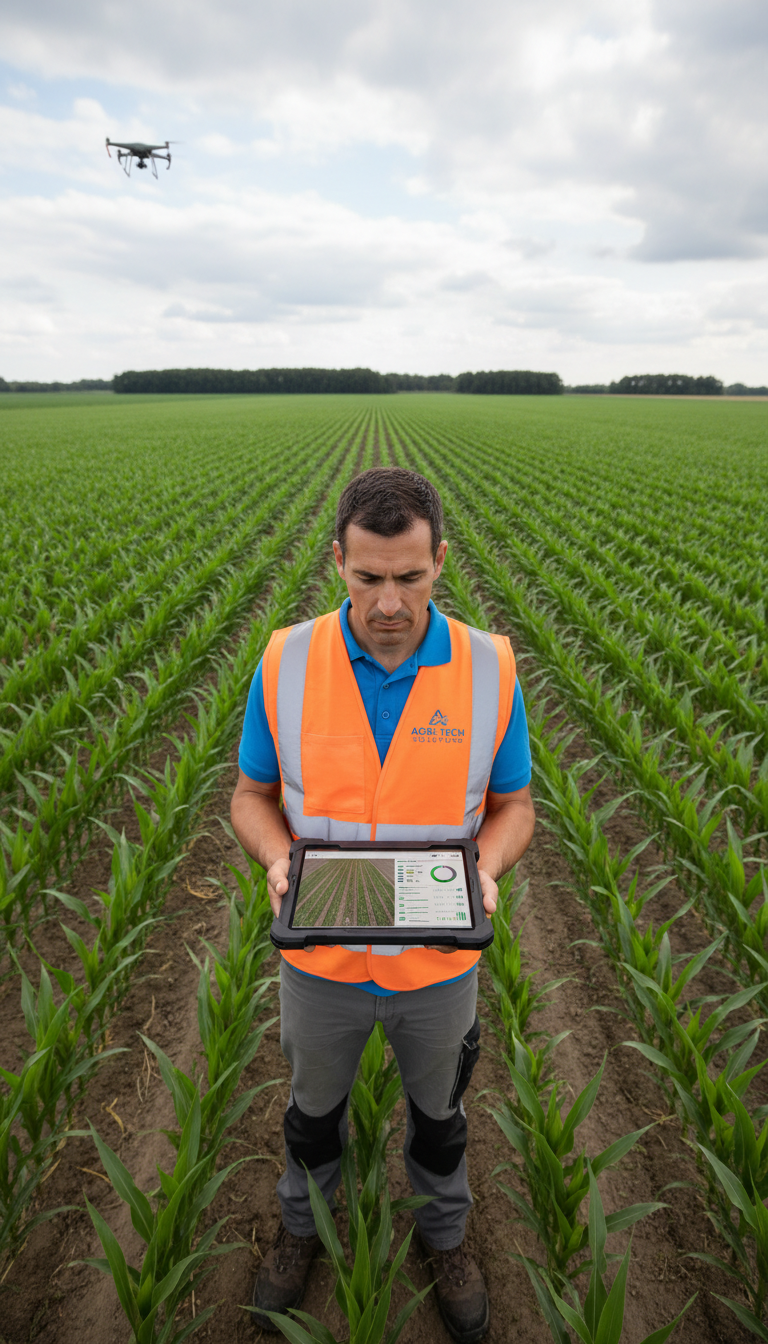
The Role of Robotics in Precision Agriculture
Robotics plays a pivotal role in precision agriculture by automating tasks that were traditionally labor-intensive. From planting and harvesting to monitoring crop health, robots are transforming how agriculture is conducted.
These advanced machines are equipped with sensors, GPS, and machine learning algorithms, enabling them to perform tasks with high precision and efficiency. As a result, farmers can focus on strategic decision-making while robots handle the groundwork.
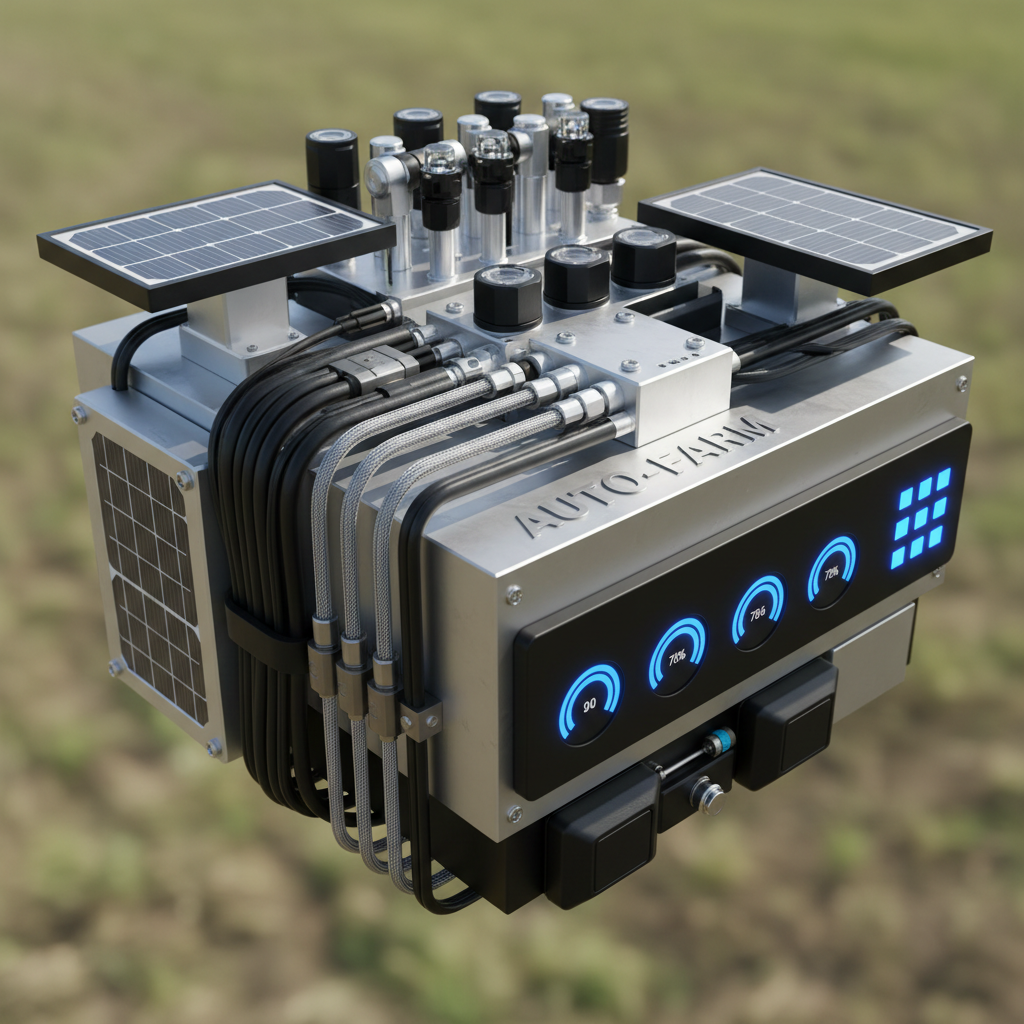
Benefits of Using Robotics
The integration of robotics in precision agriculture offers numerous benefits:
- Increased Efficiency: Robots work faster and with more precision than humans, leading to increased productivity.
- Cost Reduction: Automation reduces the need for manual labor, thus lowering operational costs.
- Enhanced Data Collection: Robots equipped with sensors provide real-time data on crop health, soil conditions, and weather patterns.
Implementing Robotics in Your Farming Operations
For those looking to integrate robotics into their farming operations, the process begins with understanding your specific needs and goals. Identifying areas where automation can provide the most benefit is crucial.
Here are some steps to consider:
- Assessment: Evaluate your current farming practices and identify tasks that could be automated.
- Research: Investigate different types of robotic solutions available on the market.
- Trial: Begin with a pilot program to test the effectiveness of robotic tools in your environment.
- Scale: Once successful, scale up the implementation to other areas of your farm.

Challenges and Considerations
While the benefits are significant, implementing robotics in agriculture does come with challenges. These may include the initial investment cost, the need for technical expertise, and ensuring the technology is adaptable to varying weather conditions.
Farmers must also consider data security and privacy, as these systems collect vast amounts of data that need to be managed responsibly.
The Future of Precision Agriculture with Robotics
As technology continues to evolve, the future of precision agriculture looks promising. Innovations in AI, machine learning, and IoT are expected to further enhance the capabilities of agricultural robots.
With ongoing advancements, farmers can anticipate even more refined solutions that will allow for greater sustainability and productivity in their farming operations.

In conclusion, integrating robotics into precision agriculture offers a pathway to more efficient, sustainable, and profitable farming. By staying informed and embracing these technologies, farmers can ensure they are well-prepared for the future of agriculture.